New Local Index Connects Residents to Sullivan County Historical Records
A curated index of Sullivan County historical and genealogical resources is now available to help reporters, researchers and residents locate primary documents and local expertise. The compilation centralizes contact details and short descriptions for historical societies, courthouse offices, libraries and special collections, making it easier to access land records, probate files, vital records and local newspapers.
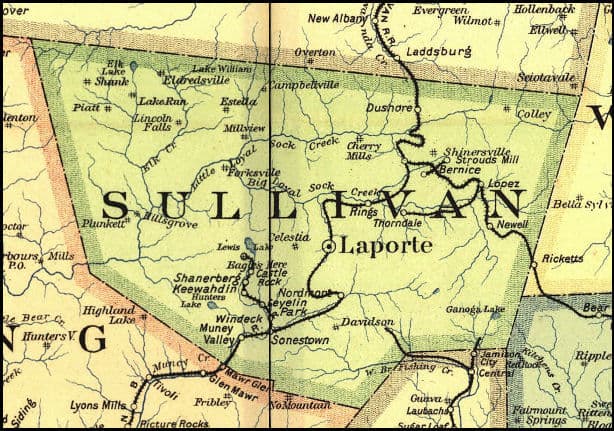
A consolidated index of Sullivan County historical and genealogical resources is available to residents and researchers seeking primary records, local context and contacts with area historians. The compilation lists local historical societies and museums, county courthouse and registry offices in Newport, and libraries and special collections that hold town records, obituaries and local newspapers. It is intended as a practical tool for locating land records, probate files, vital records, and background on historic properties and civic institutions.
Among the organizations and institutions featured are the Claremont Historical Society and Museum, the Grantham Historical Society, the Newport Historical Society, the Sunapee Historical Society, the Charlestown Historical Society, and Fort Number Four Living History Museum. County government offices are identified as key sources for official records, including the Sullivan County Courthouse, the Register of Deeds, the Probate office, and the Superior Court in Newport. Local libraries and archives are noted for preserving town meeting minutes, obituary clippings, and back issues of newspapers that can fill gaps in official documentation.
The index matters beyond genealogy and preservation. Public health researchers and local planners often rely on historical vital records and obituary data to chart long term demographic change, document neighborhood health disparities, and trace the effects of past epidemics on vulnerable communities. Land records and court filings inform environmental reviews, housing policy, and access to services. For families seeking benefits, proof of identity or lineage, access to these records can be essential. Ensuring equitable access to archives is therefore a community health and justice concern.
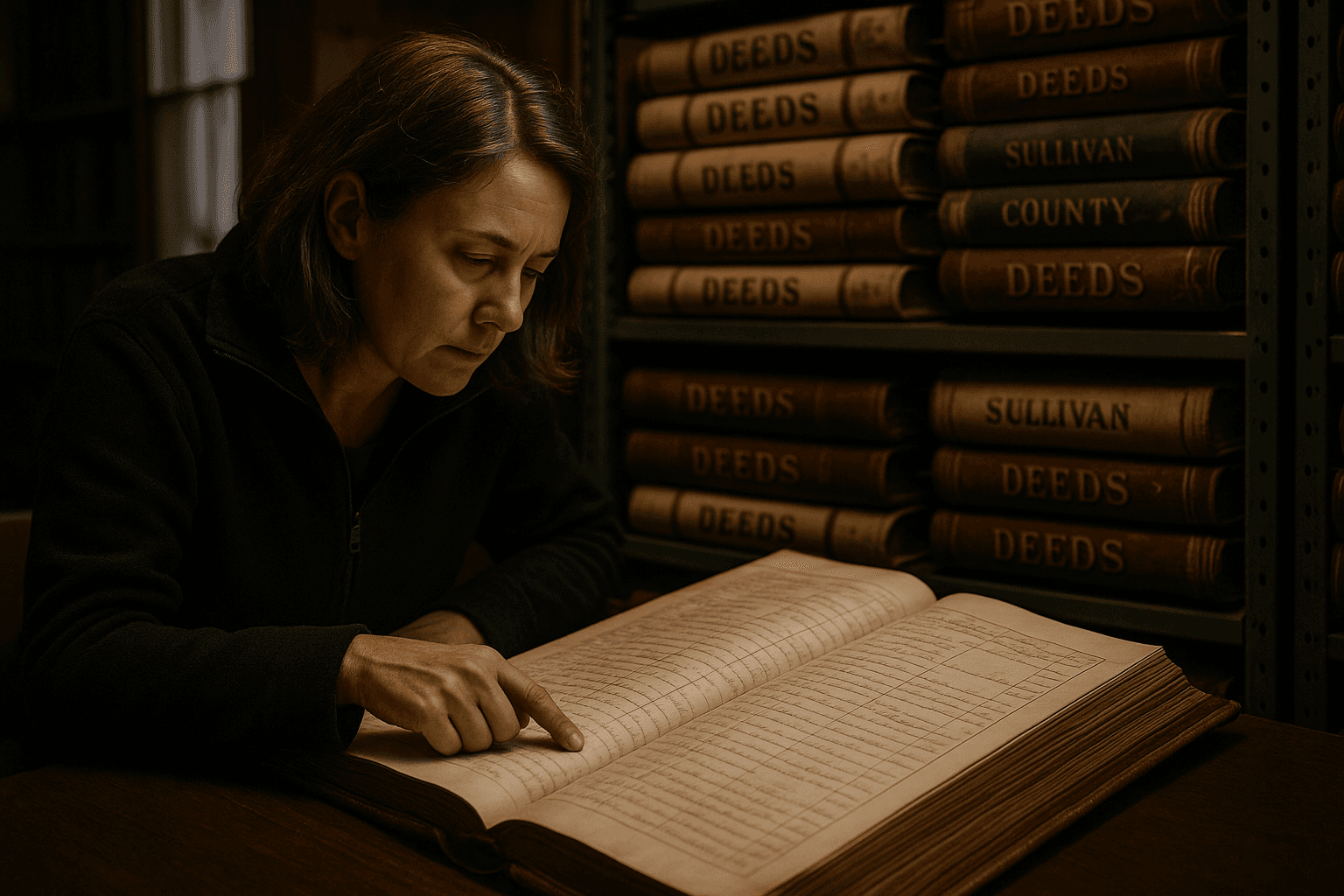
Barriers remain. Many records are only available in person, hours are limited, and digitization varies across institutions, creating unequal access for residents who cannot travel or who lack reliable internet. The index highlights where records exist and who to contact, which can reduce the time and cost of research, but it also underscores the need for sustained funding for preservation, staff capacity, and expanded digital access.
For Sullivan County residents and local officials, the index offers immediate, practical steps to find historical context for civic decisions, to support public health research, and to help families locate vital documents. Longer term, the listing should prompt conversations about investment in archives and libraries so that records are accessible to everyone in the community.
Sources:
Know something we missed? Have a correction or additional information?
Submit a Tip