Arctic Chill Swept Stutsman County, Dangerous Cold Threatened Residents
An Arctic cold snap struck eastern North Dakota beginning December 12, leaving Jamestown and Stutsman County under a Cold Weather Advisory and producing dangerously low temperatures and wind chills. The conditions posed immediate risks for frostbite and hypothermia, especially for vulnerable residents, pets, and livestock, and highlighted gaps in local heating and shelter resources.
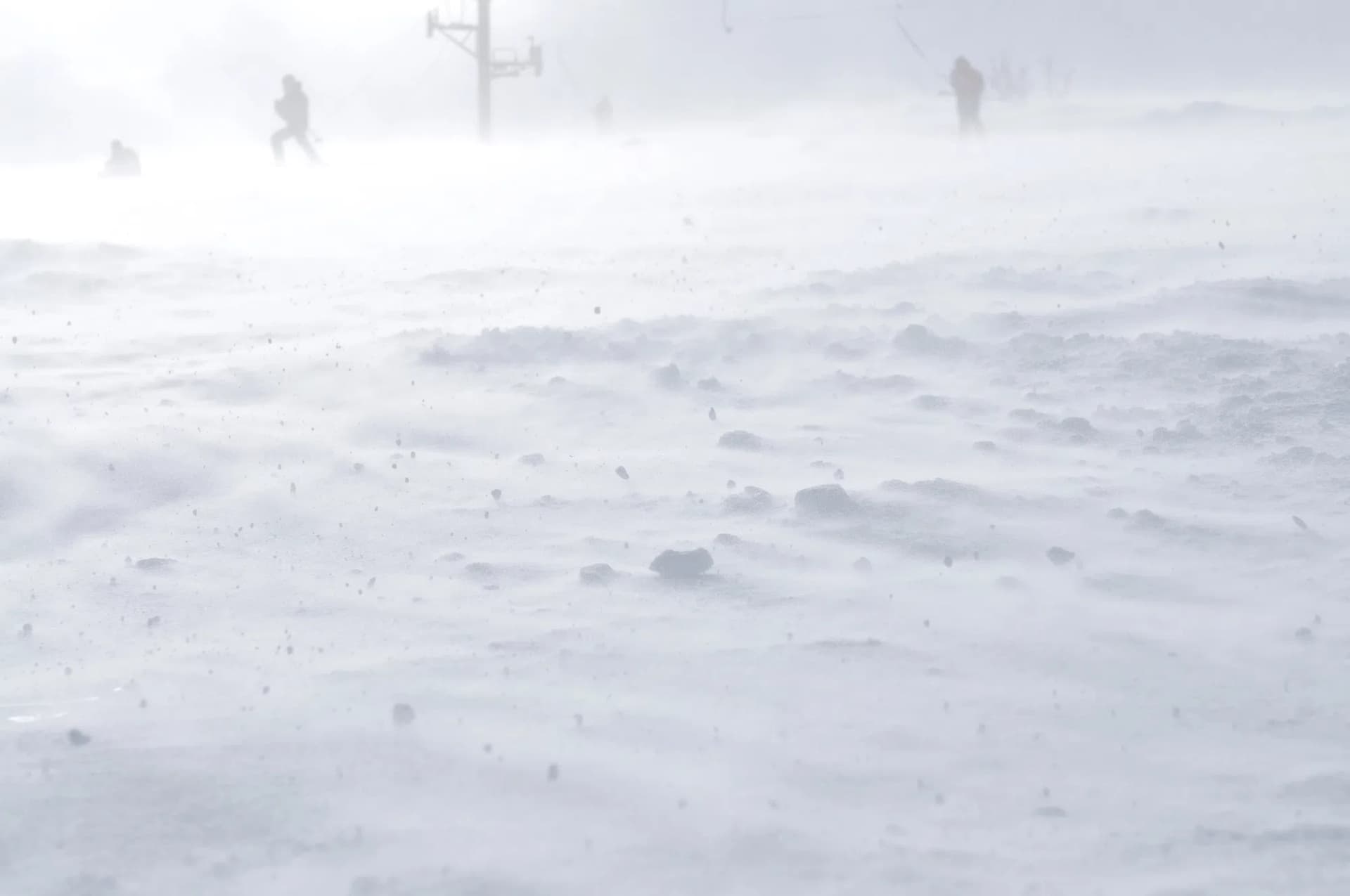
An Arctic chill moved into eastern North Dakota beginning December 12, and the National Weather Service placed Jamestown and Stutsman County under a Cold Weather Advisory as lows dropped to about four degrees below zero and wind chills fell to negative 25 or colder. Saturday remained bitterly cold with daytime highs only a few degrees above zero, and forecasters said the cold continued into Sunday before easing slowly early this week. Little snow fell in the James River Valley during the event, with only isolated flurries noted, though a separate winter weather system was expected to affect the upper Midwest by mid next week.
The immediate public health concern for local residents was exposure related illness. Wind chills at the levels experienced increased the risk of frostbite on exposed skin within minutes and raised the likelihood of hypothermia for people unable to access warm shelter. Rural counties with older housing stock and limited public transportation face compounded risk when heating systems struggle or fuel costs rise. Emergency rooms and clinics in the region typically see upticks in cold related visits during events like this, and community health workers noted the need for early outreach to elders and people with chronic conditions who may have difficulty heating their homes.
Community impacts extended to animals and agriculture. Livestock and household pets were at greater risk without adequate shelter and unfrozen water sources. Farmers and ranchers needed to check water lines and sheltering plans, particularly for smaller operations without steady access to on farm labor during short staffing periods.

Officials urged residents to limit time outdoors through the weekend, dress in layers, and check on vulnerable neighbors, pets, and livestock. Residents seeking assistance were advised to contact county emergency management and local social service offices for information on warming centers and heating aid. In the longer term, the episode underscored systemic issues in rural heating equity, including access to weatherization programs, affordable fuel, and emergency shelter capacity. Strengthening these services may reduce health disparities during future extreme cold events and protect the most vulnerable members of Stutsman County.
Sources:
Know something we missed? Have a correction or additional information?
Submit a Tip