Older Driver Safety Week Highlights Winter Risks, Calls for Planning
Older Driver Safety Awareness Week ran December 1 through 5, and Vision Zero urged families to discuss how aging affects driving as winter brings hazardous road conditions. The group cited statewide data showing 103 people age 65 and older have died in vehicle crashes, including 32 in 2024, and recommended steps to reduce risk while communities plan longer term transportation solutions.
Older Driver Safety Awareness Week prompted renewed attention to road safety for Stutsman County seniors as winter weather increases the hazards of driving. Vision Zero used the week to encourage families to talk with older relatives about changes in vision, reaction time, and stamina that can affect driving, and to begin planning transportation alternatives before driving becomes unsafe.
Statewide data underscore the urgency. Vision Zero reports that 103 people age 65 and older have died in vehicle crashes across North Dakota, including 32 in 2024. Those numbers reflect a public health burden that reaches beyond immediate crash injuries. For older adults, motor vehicle crashes can produce serious trauma, prolonged recovery, loss of independence, and barriers to accessing medical care and essential services.
In Stutsman County the arrival of winter means more snow, ice, and reduced visibility, conditions that can disproportionately endanger older drivers who prefer or depend on familiar routes, who drive at night, or who have limited flexibility to avoid poor weather. Vision Zero recommends practical steps such as limiting night driving and choosing familiar routes when travel is necessary. The organization also urges families to explore future transportation options early so older adults can continue to travel safely after they stop driving. More information is available at VisionZero.ND.gov.
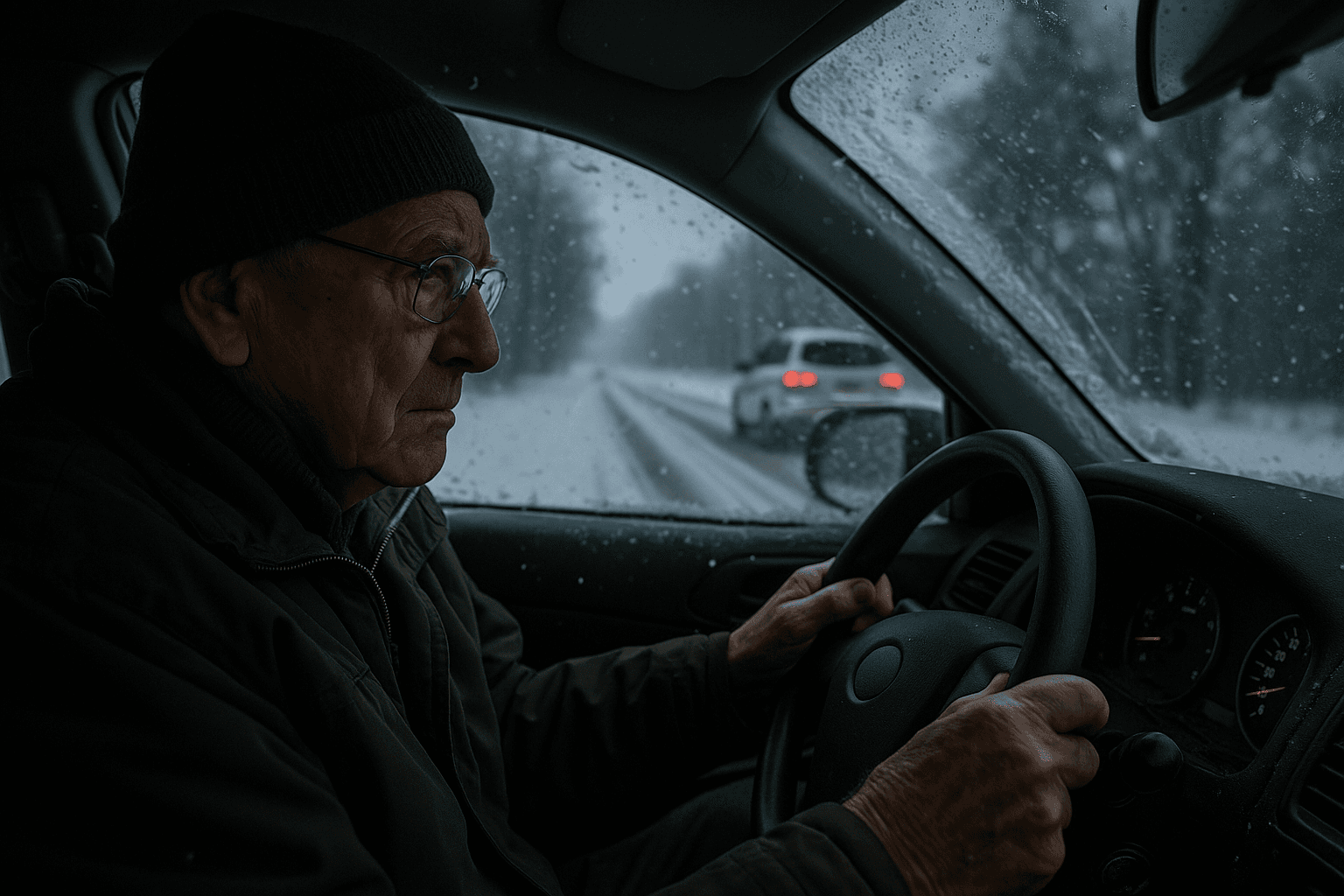
The implications for local policy and equity are significant. Many older residents live on fixed incomes or in areas with limited public transit, making the loss of driving privileges a threat to medical appointment access, grocery shopping, and social connection. Community level planning can reduce isolation and health inequities by expanding options such as community ride programs, coordinated volunteer driver networks, and subsidies for accessible transportation. Healthcare providers, caregivers, and local leaders can support conversations that balance safety with autonomy while advocating for resources that keep older adults connected.
As winter conditions persist, families and community organizations in Stutsman County face a shared responsibility to prepare, adapt, and invest in transportation systems that protect older residents and promote equitable access to services.


