Arctic Cold Grips Morgan County, Temperatures Plunge Below Zero
A strong cold air mass moved through central Illinois on December 3, sending temperatures well below zero and producing dangerous wind chills across Morgan County. The extreme cold posed immediate risks to health, housing, pets, vehicles, and infrastructure, making preparedness and community support critical for vulnerable residents.
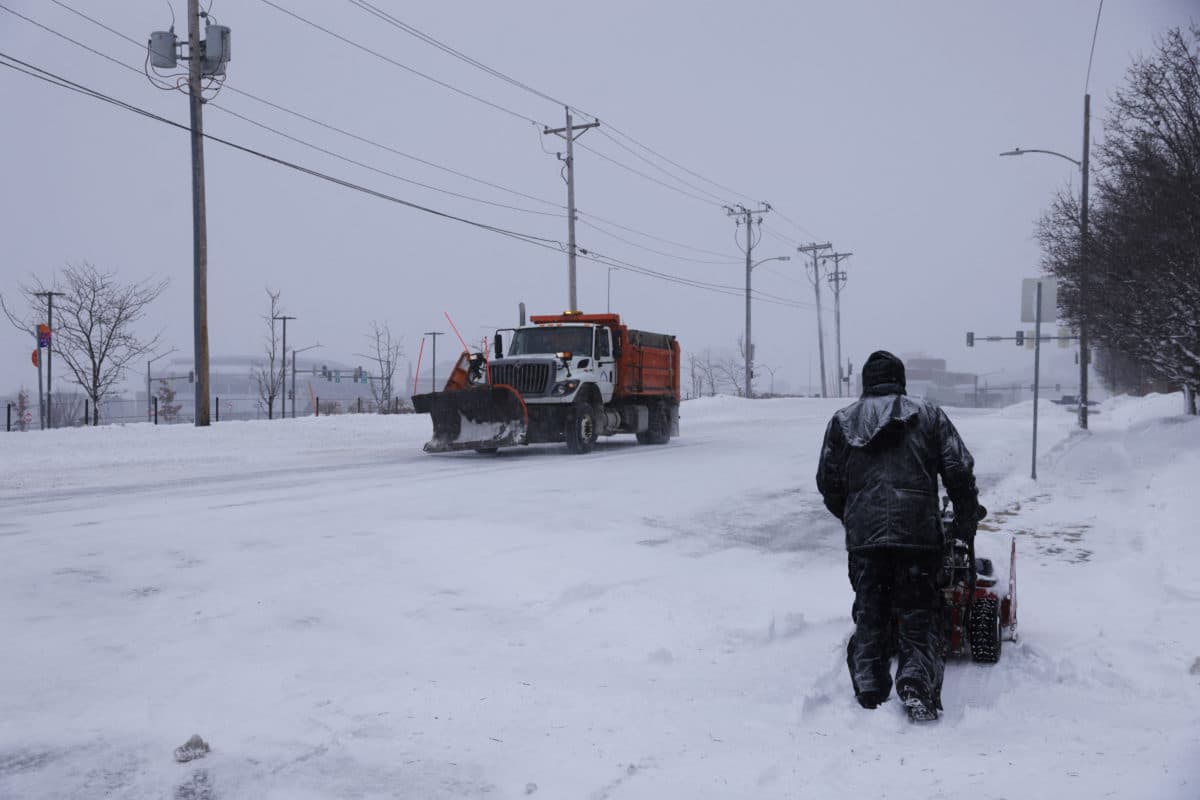
A powerful shot of Arctic air swept into central Illinois on December 3, forcing temperatures in parts of Morgan County into the single digits and below. The National Weather Service forecast showed Jacksonville near zero degrees Fahrenheit by midnight Wednesday, falling to roughly minus eight degrees Fahrenheit by six a.m. Thursday. Temperatures were expected to rebound briefly into the low teens in the afternoon before dropping again later in the day.
Wind chills amplified the danger. The National Weather Service warned that in areas north of Interstate 70 wind chills could reach around minus fifteen degrees Fahrenheit. Such conditions increase the risk of frostbite and hypothermia within minutes for people exposed to the elements, and they strain heating systems, water pipes, and transportation networks.
Officials urged practical steps to reduce harm. Residents were advised to dress in layers, bring pets indoors, limit outdoor exposure, and prepare vehicles by keeping the gas tank at least half full. A roadside kit and extra blankets may be lifesaving for drivers who become stranded. To protect homes, authorities recommended dripping faucets to reduce the risk of frozen pipes.
The local implications extend beyond immediate safety precautions. Health care providers can expect more cold related emergencies among older adults, people with chronic conditions, and those who lack stable housing. Community shelters and warming spaces become essential lifelines for people who cannot heat their homes, and utility reliability is a matter of public health and equity. Rural residents and households with poorly insulated housing face higher costs and greater exposure to danger.
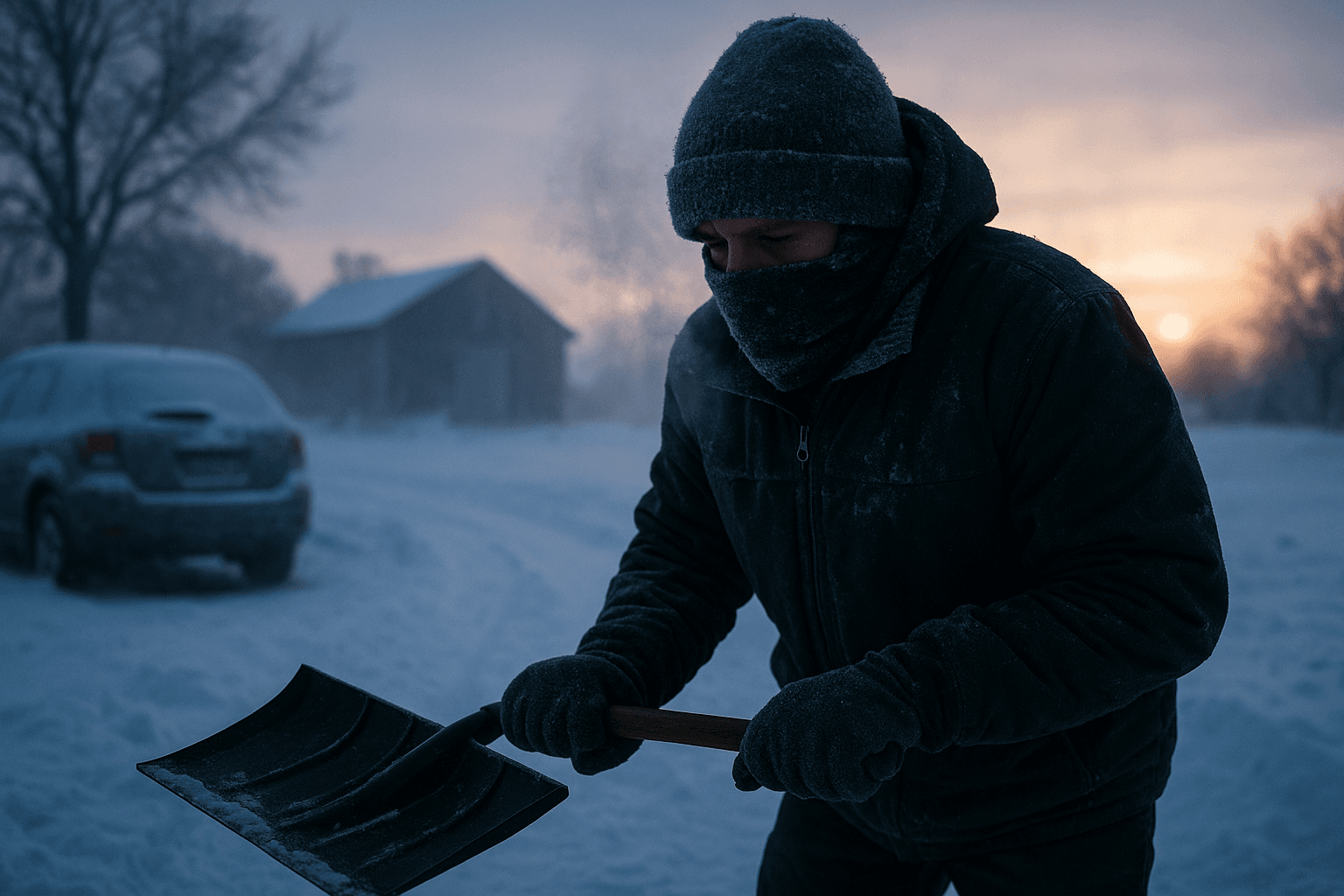
This event highlights broader policy questions about preparedness and social supports. Equitable access to heating assistance, transportation for medical appointments, and outreach to homebound seniors and people experiencing homelessness are urgent needs during extreme cold. Local leaders and service organizations must prioritize targeted communication and resources to reduce preventable illness and death.
Residents should continue to monitor National Weather Service updates, follow safety guidance, and check on neighbors who may be particularly vulnerable to the cold. Community coordination can reduce harm and ensure that those most at risk receive necessary help during extreme winter weather.