Smoldering Nest Blocks Water Heater Vent, Jacksonville Fire Response
Jacksonville firefighters responded to smoke in an attic on December 3, and discovered nesting material blocking a water heater vent. The quick intervention prevented a structure fire, residents were not displaced, and officials urged routine inspections to avoid similar incidents.

Just after 11 p.m. on December 3, Jacksonville crews were dispatched to a home on East State Street after a report of smoke in the attic. Firefighters found smoldering nesting material clogging the water heater vent, which had produced the smoke but had not developed into an active structure fire. The responding unit remained on scene for about 40 minutes, and damage to the home was assessed as minimal.
Fire Lieutenant Josh Sorrill said there was not an active structure fire and that residents were not displaced. The department treated the incident as a public safety matter and left the scene following a brief inspection and ventilation of the space. The quick response limited property impact and reduced the likelihood of more costly repairs or displacement.
For Morgan County residents the episode is a reminder that routine household systems can present safety and financial risks when vents and exhaust pathways become obstructed. Even when damage is minimal on a single call, each deployment represents time and resources for the municipal fire service. A 40 minute response can tie up personnel and equipment during late night hours, which has implications for staffing and overtime costs at the local level. Preventive maintenance and early reporting of persistent smoke or unusual appliance behavior can reduce the probability of larger fires and the associated emergency expenditures.
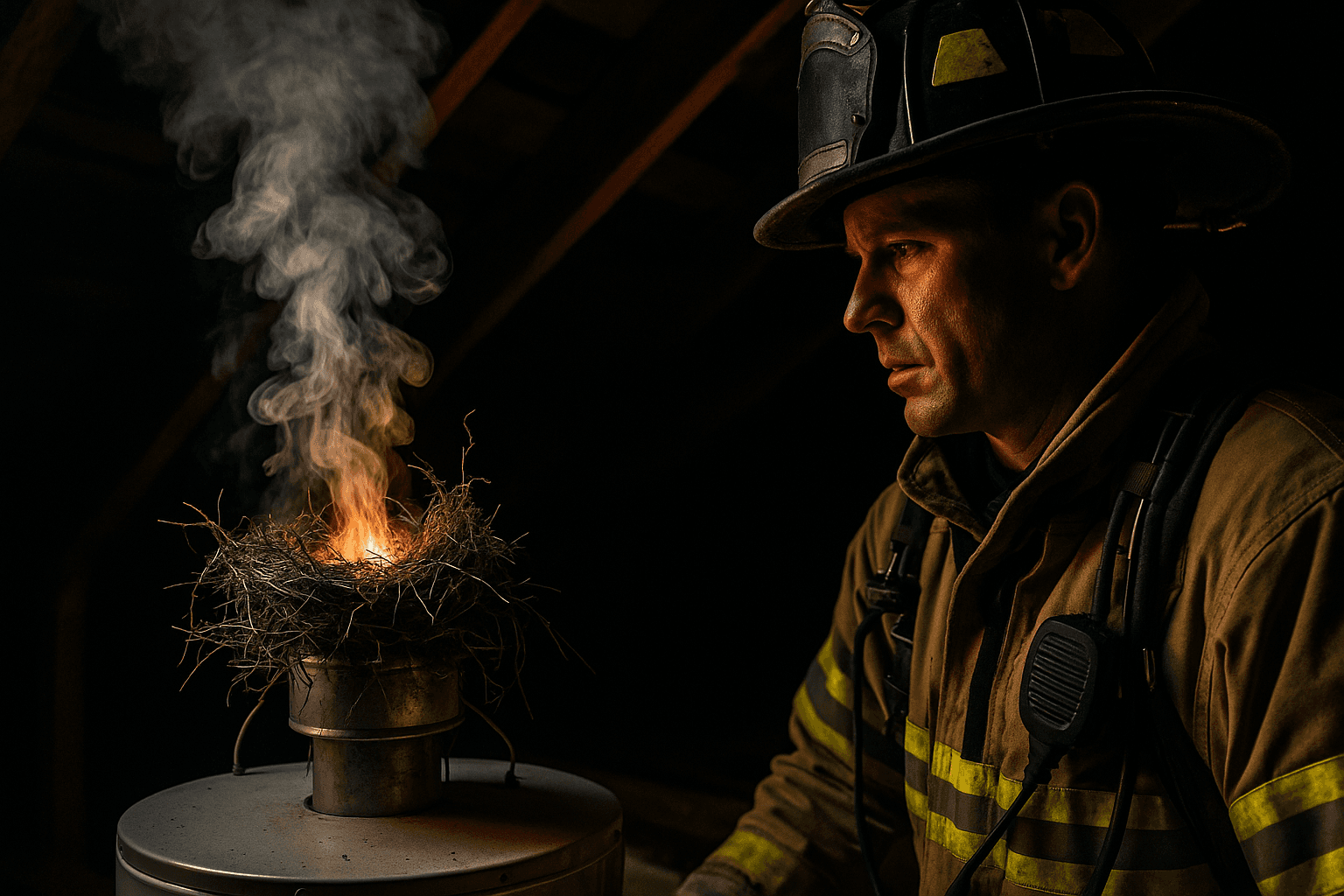
Local implications extend to homeowners insurance and maintenance budgets. Addressing blocked vents promptly often involves minor cleaning or professional inspection, while unchecked vent blockages can escalate into appliance failure, smoke damage, or claims that increase premiums. Residents are advised to inspect vent terminations when safe to do so, and to contact a licensed technician if they detect persistent smoke, unusual appliance behavior, or evidence of animal nesting.
Jacksonville's quick containment of this incident illustrates how small hazards can be managed without displacement when detected early. Continued attention to vent clearance and prompt reporting will help limit safety risks and the economic impact of preventable calls for service.