Atlanta Fed’s Bostic Warns Cuts Could Reignite Inflation, Damage Credibility
Atlanta Fed President Raphael Bostic cautioned that additional Federal Reserve rate cuts risk moving policy into an accommodative stance that could reignite inflation and untether expectations. His Dec. 16 essay frames the choice facing policymakers as one between near term growth support and longer term risks to price stability and central bank credibility.
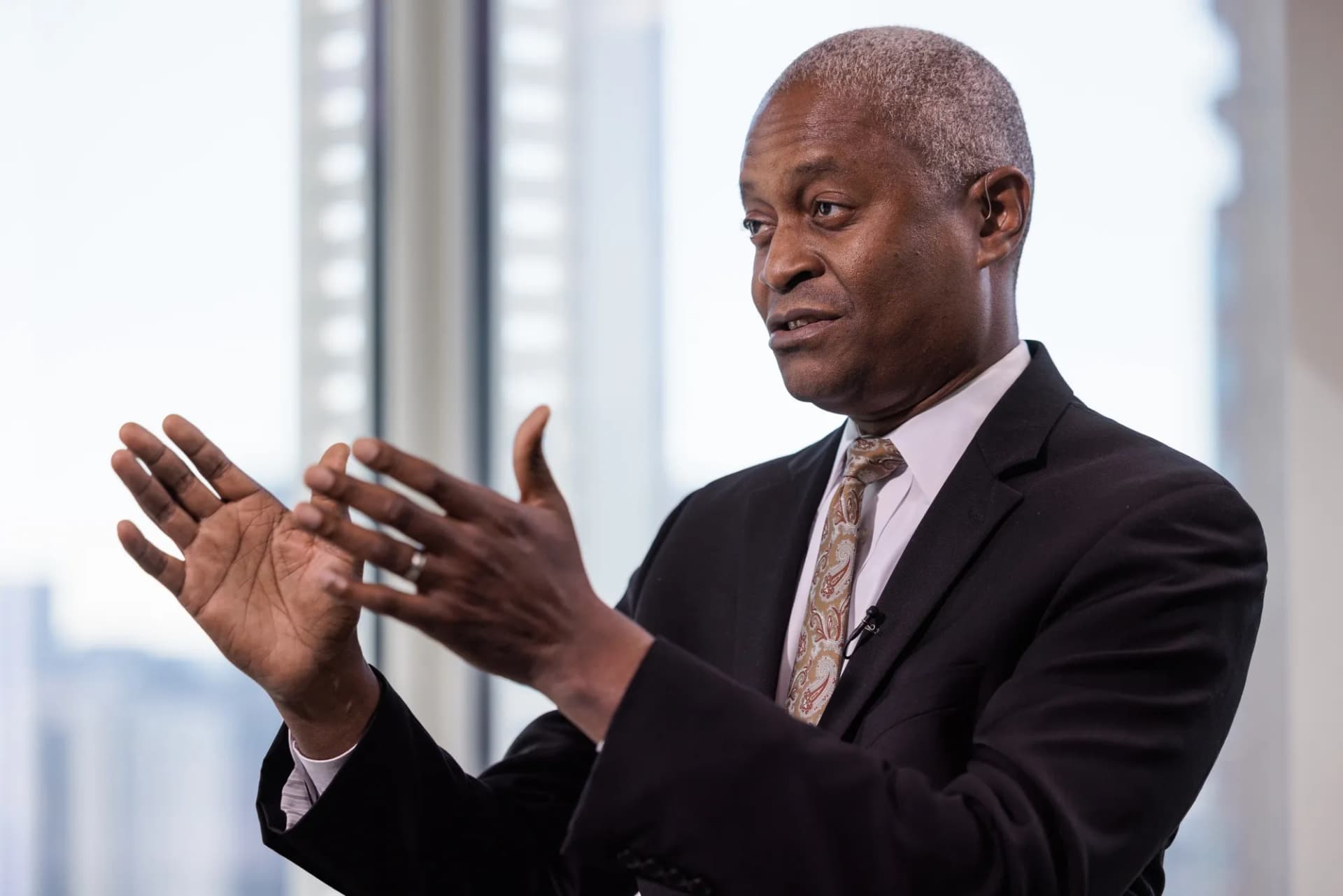
Raphael Bostic cautioned that further reductions in the federal funds rate could reverse recent progress on inflation and erode confidence in the Federal Reserve’s commitment to price stability. In an essay published by the Atlanta Federal Reserve on Dec. 16, Bostic argued that “moving monetary policy near or into accommodative territory, which further federal funds rate cuts will do, risks exacerbating already elevated inflation and untethering the inflation expectations of businesses and consumers.” He added plainly, “That is not a risk I would choose to take right now.”
Bostic’s intervention arrives as the Fed weighs the timing and scale of future easing after a lengthy tightening cycle that brought inflation down from multi year highs but left headline readings still above the central bank’s 2 percent target. He framed the core policy dilemma as a trade off between supporting growth through lower borrowing costs and preventing a renewed acceleration of prices that could feed into wages, margins and long run expectations.
The Atlanta Fed president singled out expectations as the critical transmission mechanism linking policy decisions to inflation persistence. When businesses and consumers begin to expect higher inflation, pricing and wage setting can become self reinforcing, requiring later and potentially more aggressive tightening to re anchor expectations. That dynamic, Bostic warned, would not only increase economic volatility but could also inflict lasting damage on the Fed’s credibility, complicating its ability to deliver on its dual mandate.
Markets and policymakers have been watching signs of whether recent disinflation is durable. Bostic’s essay underscores a conservative posture among some regional Fed officials who favor a cautious approach to cutting rates until there is clearer evidence that inflation is sustainably back at target. He noted the possibility that easier policy could stimulate growth, but argued that the upside must be weighed against the risk of reigniting inflation pressures and making it harder to return inflation to target.

Bostic is scheduled to retire in February, a fact he disclosed alongside his policy views, a timing that could leave his successor to confront the consequences of any further easing decisions. His essay does not prescribe a specific path for the policy rate, but it signals concern among Fed officials that moving too quickly toward accommodation could force the central bank into a reactive stance down the road.
For markets, the immediate implications are straightforward. Any clear shift in the Fed’s communications or in economic data that reduces uncertainty around inflation and expectations will influence the pricing of rate cuts and long term yields. For policymakers, Bostic’s message is a reminder that the costs of losing credibility can be high, and that the sequence and timing of rate cuts matter as much as their size.
Investors and economic watchers will now look to upcoming readings on consumer prices, personal consumption expenditures, and labor market conditions for evidence that could either validate Bostic’s caution or justify a quicker pivot to easier policy.
Know something we missed? Have a correction or additional information?
Submit a Tip