Atmospheric river floods western Washington, tens of thousands evacuated
A powerful atmospheric river on December 11 and 12 produced days of torrential rain that drove major rivers to historic crests across western Washington, prompting widespread evacuations and large scale rescues. The storm shocked communities, shut a U.S. Canada border crossing, and raised urgent questions about infrastructure, insurance and long term climate resilience.
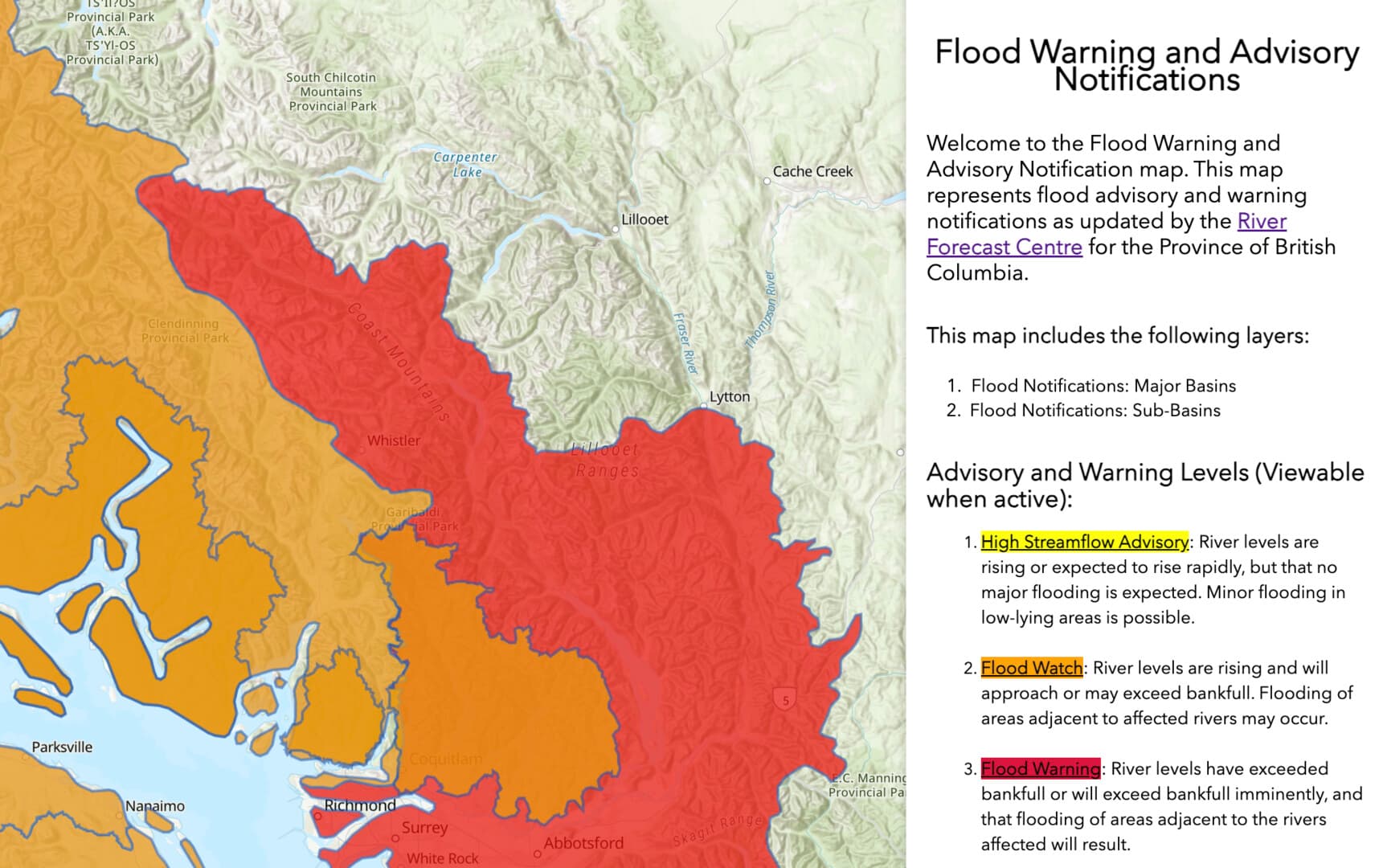
A storm system that struck the U.S. Pacific Northwest on December 11 and 12 produced days of torrential rainfall and severe river flooding across western Washington and parts of northern Oregon and far northwestern California. Authorities declared states of emergency for affected areas after Level 3 evacuation orders were issued in the hardest hit communities, affecting roughly 100,000 residents. Across the broader region tens of thousands of people were evacuated or urged to leave and thousands more were reported prepared to evacuate in both the United States and Canada.
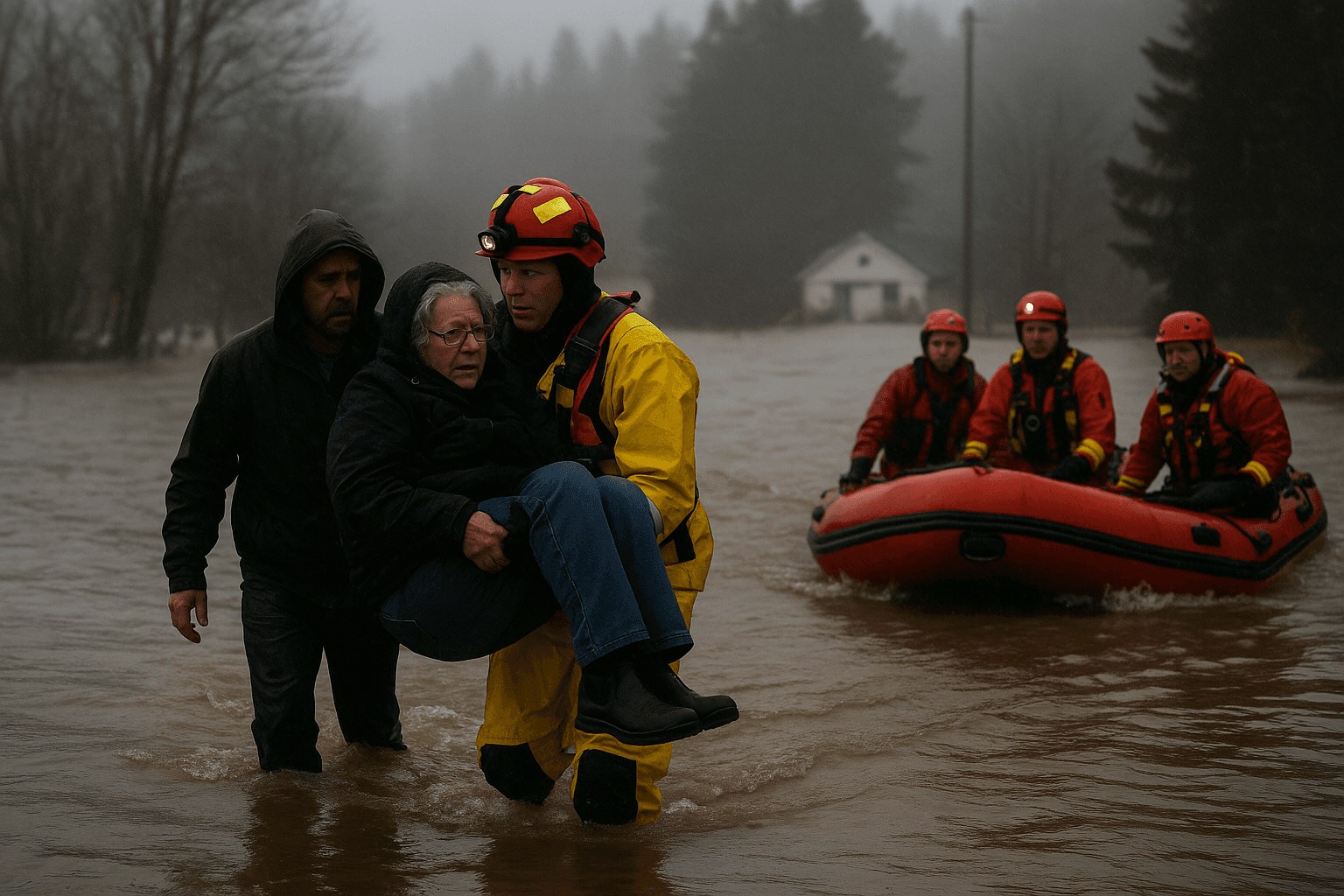
Dozens of residents required water rescues. The U.S. Coast Guard carried out multiple extractions in Sumas, Washington, and emergency crews used helicopters, boats and roof top evacuations to reach people trapped in homes and vehicles. Floodwaters reached waist depth in many communities and exceeded 15 feet in the most extreme locations including Sumas. The U.S. Canada Sumas border crossing was closed in both directions and major highways toward Vancouver were shut by flooding, debris and avalanche risk.
River systems surged to levels rarely seen in living memory. Portions of the Snohomish and Skagit rivers rose to major flood stage and crested at historic heights, breaking records last set in 1990. Forecasters and river gauges recorded rapid rises after cumulative downpours, and meteorologists estimated that nearly five trillion gallons of rain, about 19 trillion liters, fell across Washington state during the seven day window that included the Dec. 11 and 12 event.
Forecast models showed that additional atmospheric river pulses could arrive, complicating cleanup and keeping rivers elevated since soils are already saturated. The Weather Prediction Center placed much of western Washington at a Level 2 of 4 flood risk for rainfall, with western Oregon and far northwestern California at Level 1 of 4. AccuWeather and other forecasters warned that stormy conditions could persist through the following week and into the run up to Christmas, with lighter rain acting as an appetizer ahead of any renewed moisture surges.
Meteorologists attributed the intensity to a convergence of factors. Warm ocean waters, an unusually strong Madden Julian Oscillation phase, and concurrent tropical cyclone flooding in Indonesia helped send sustained waves of moisture across the Pacific. A high pressure ridge off the California coast steered the plume, producing a so called pineapple express at times that funneled tropical moisture into the region.
The economic and policy stakes are immediate. The border closure and highway shutdowns interrupted freight flows that normally move agricultural goods, lumber and manufactured products between Washington state and international markets. Insurers and municipal bond investors will be watching damage estimates closely after atmospheric rivers have historically accounted for roughly 80 percent of West Coast flood damage and about one billion dollars a year in losses. Long term analyses cited before this event projected that intensifying atmospheric rivers could drive losses to between 2.3 billion dollars and 3.2 billion dollars per year by 2090 without substantial adaptation.
Officials said final tallies for injured, missing or dead and comprehensive damage estimates were not yet available and will be critical to determine federal assistance and reconstruction priorities. With rivers still moving downstream and repairs just beginning, communities face a costly and complex recovery that will test regional preparedness and long term resilience plans.
Know something we missed? Have a correction or additional information?
Submit a Tip