Weekend storm plunges Midwest temperatures, coats Northeast in snow
A fast moving winter system pushed Arctic air into the central United States and dropped the season's first significant snow along much of the Interstate 95 corridor, creating slick roads and widespread travel disruption. The Pacific Northwest meanwhile faced more rain after days of flooding and mudslides, underscoring growing strains on infrastructure and short term economic activity.

December 14, 2025 — A fast moving winter storm that began Saturday drove Arctic air into the central United States and produced accumulating snow across the Northeast on Sunday, creating hazardous travel conditions and disrupting flights at major airports. The same system sent temperatures plunging well below zero in parts of the Midwest as polar air surged southward.
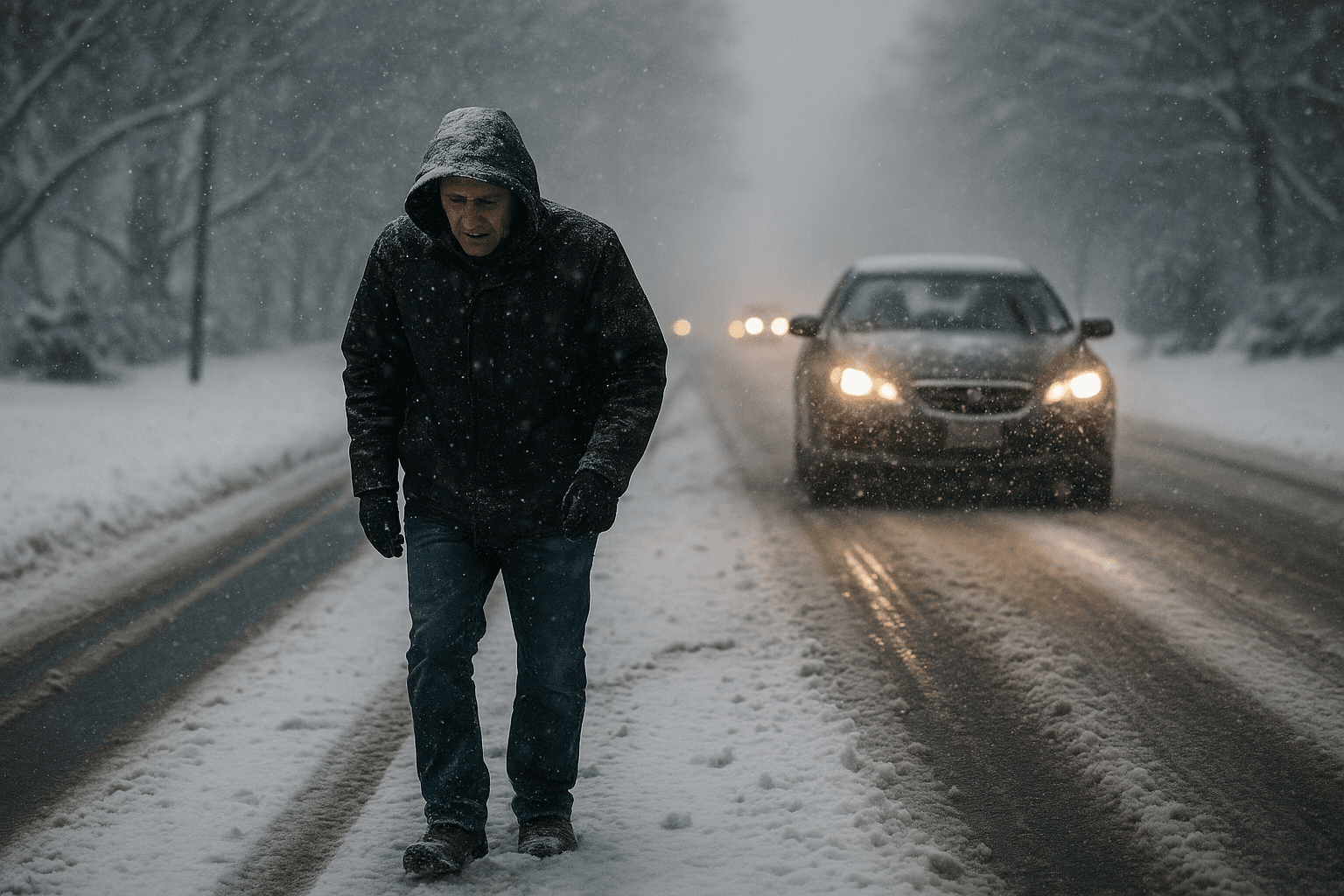
Meteorological analysis showed a compact but energetic system tapping into a polar vortex surge. Snow reached coastal areas overnight Saturday and fell through Sunday morning across a broad swath from Indiana and Ohio into Maryland, New Jersey and New York City. Forecasters and regional reporting placed most areas in a 1 to 3 inch range of accumulation, with a narrower corridor from southern New Jersey through Philadelphia and into the Washington area expecting 3 to 5 inches. Visual coverage documented active snow in New York City on Sunday, where local imagery captured pedestrians and traffic moving under accumulating snowfall near the Manhattan Bridge.
The storm quickly translated into economic disruption. Flight tracking data showed more than 1,000 U.S. flights delayed and more than 100 cancellations tied to the weather, creating ripple effects for business travel and cargo movement on a weekend that typically serves holiday travelers and time sensitive freight. Ground transportation suffered as well, with reports of slick roads and slow highway flows across the Interstate 95 corridor. Winter storm watches had been in place across Indiana, Ohio, Pennsylvania and West Virginia as officials urged caution for morning commutes and intercity travel.
In the Midwest, the abrupt arrival of Arctic air pushed temperatures far below freezing, elevating demand for home heating and placing short term stress on energy delivery infrastructure. Utilities and local governments typically see increased load during such cold snaps, and prolonged subzero conditions can challenge vulnerable distribution systems and increase heating costs for households and small businesses.
On the West Coast, the Pacific Northwest remained on edge. The region had already endured several days of heavy rain, flooding and mudslides and was bracing for additional precipitation. That succession of events strains emergency response, road repairs and local government budgets. Repeated heavy rainfall and landslides also complicate supply chain continuity for goods moving through regional ports and highways, and they highlight persistent vulnerabilities in terrain and stormwater management.
Taken together, the weekend pattern reflects a broader challenge for planners and markets. Short term costs from flight disruptions, slower freight deliveries and increased emergency spending are measurable and concentrated. Over the longer term, repeated swings between intense precipitation and Arctic intrusions reinforce arguments for investment in resilient infrastructure, improved stormwater systems in mountainous and coastal areas, and targeted upgrades to transportation hubs that handle both passengers and freight.
While scientists caution that individual storms cannot be directly assigned to climate trends without detailed attribution work, emergency managers and municipal budget planners are contending with a sequence of events that increases the frequency and cost of extreme weather responses. For now, communities across two coasts are focused on clearing roads, restoring disrupted travel and preparing for the next round of precipitation.
Know something we missed? Have a correction or additional information?
Submit a Tip