Puerto Rico law expands secrets, limits public records access
Governor Jenniffer González signed an amendment to Puerto Rico’s transparency law on Sunday, a move critics say will slow and narrow the public’s access to government records. The change matters because delayed and sealed information can hinder oversight of public health programs, disaster recovery and services that poor and marginalized communities rely on.

Governor Jenniffer González signed an amendment to Puerto Rico’s transparency law on Sunday in San Juan, altering how and when government agencies must respond to public records requests and broadening officials’ authority to classify material as confidential. The measure drew immediate condemnation from journalism organizations, civil rights groups and the ACLU of Puerto Rico, who said the changes represent a setback for accountability in the U.S. territory.
Under the amendment, agencies will face extended deadlines for responding to requests. The law now sets a one month deadline for records that are longer than 300 pages or that are more than three years old, while preserving an existing 20 day extension option for agencies in those cases. Critics also pointed to language that gives agencies wider discretion to designate information confidential and allows such classifications without judicial review.
A coalition of news outlets and civil society groups had urged the governor to veto the bill during the legislative process, but that appeal was not heeded. The ACLU of Puerto Rico issued a pointed rebuke after the signature, saying, “By signing this measure into law, despite widespread opposition, the governor makes it clear that her interest is not in government transparency.” The organization added that the law “is not in anyone’s best interest, except for any public official who seeks to hinder or prevent the public from receiving the information they have a right to see.”
Journalists and researchers warned that extended response windows and expanded confidentiality could blunt investigative reporting and slow scrutiny of government spending. Puerto Rico’s history of limited transparency has complicated oversight of disaster recovery contracts, health service procurement and other public programs, and advocates said the amendment risks deepening those challenges. Public health experts and community advocates emphasize that timely access to records is essential to monitor hospital performance, vaccination and emergency preparedness efforts, and distribution of federal aid aimed at addressing inequities.
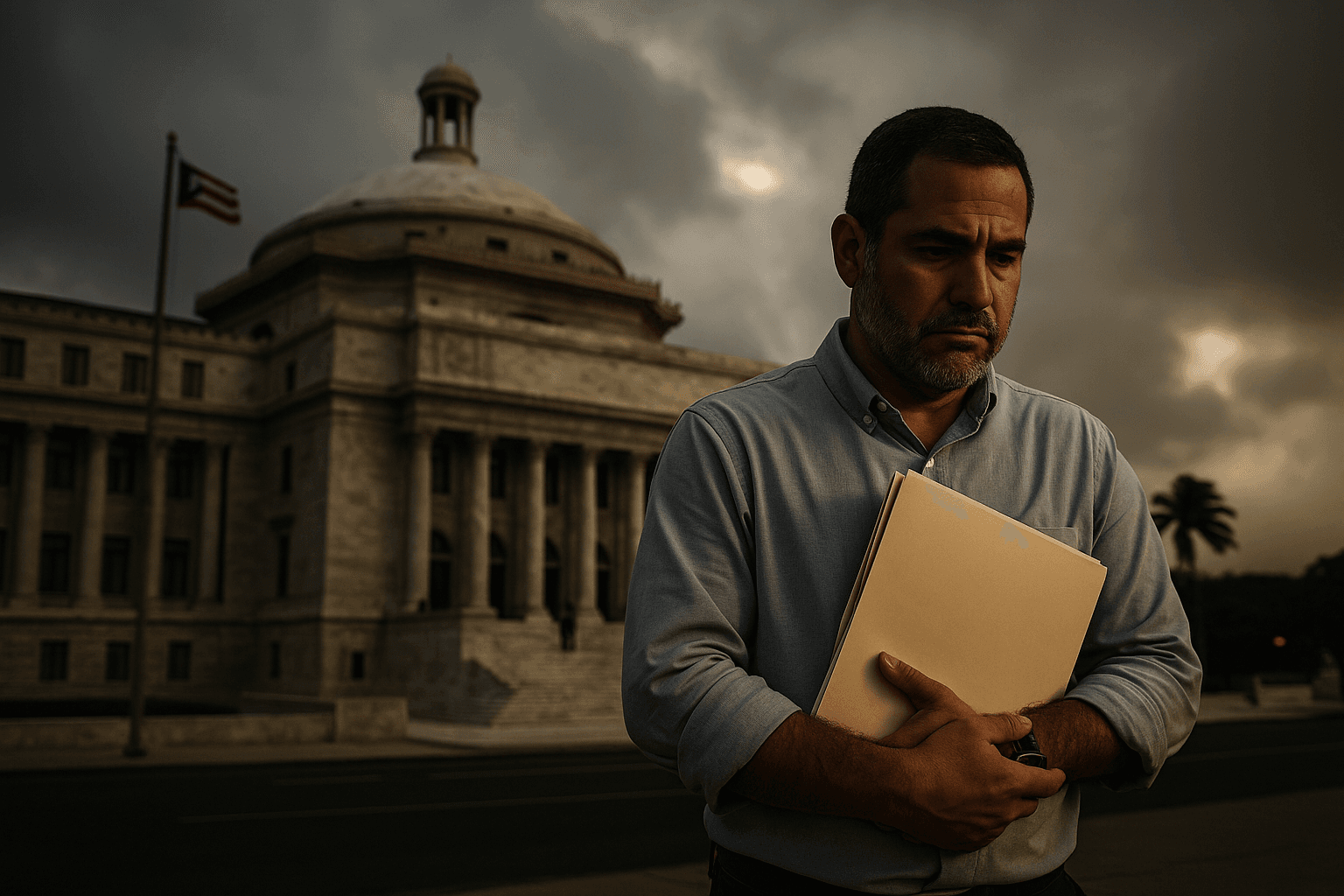
The legislative package that produced the amendment was described in coverage as contentious, and reports said the measure passed with limited public participation. The record provided to reporters does not include the bill number, vote totals, or full text of the legislative findings. At the time of reporting there was no public statement from the governor explaining her rationale for signing, and no immediate record of judicial challenges or administrative guidance from agencies about implementation.
Legal and policy experts say the practical effects will depend on how agencies apply the new deadlines and confidentiality authorities. For communities that rely on transparency to expose waste, bias or negligence, slower responses can translate into delayed relief and diminished accountability. For the press and civic groups, the change represents a structural obstacle to oversight at a moment when clear information is vital to public health and equitable governance.
Advocates said they will consider legal options and sustained public pressure to preserve access to records. For now, critics say the law marks a reversal for a territory already struggling to ensure government openness and equitable protection for its most vulnerable residents.
Know something we missed? Have a correction or additional information?
Submit a Tip