Baltimore Health Department Urges Newborn Hepatitis B Vaccination Within 24 Hours
On December 5, 2025 the Baltimore City Health Department issued a release urging hospitals, birthing centers, clinicians, and parents to continue giving the hepatitis B vaccine to newborns within 24 hours of birth, following guidance from the American Academy of Pediatrics. The move seeks to preserve protections for infants after a December 2025 decision by the federal advisory committee altered the national recommendation.
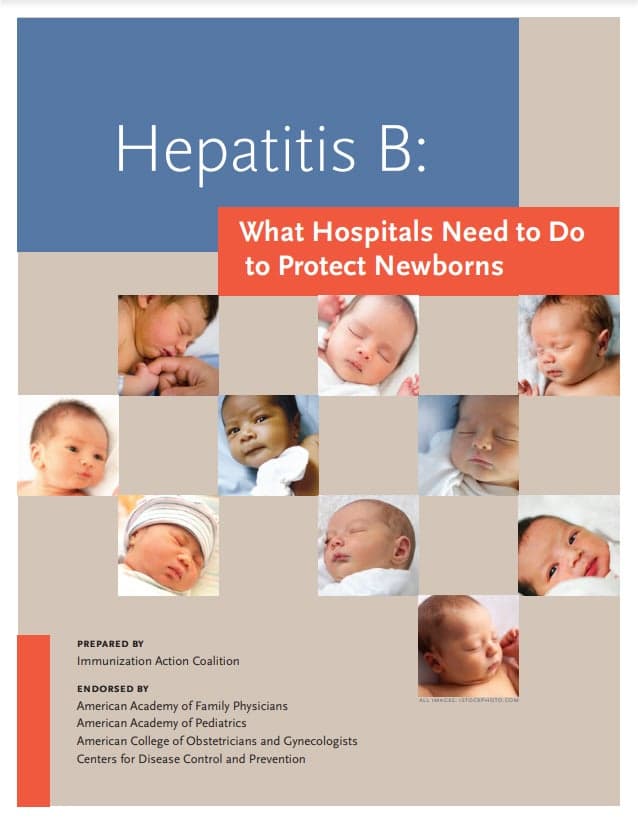
The Baltimore City Health Department on December 5 urged providers and families to continue administering the hepatitis B vaccine to newborns within 24 hours of birth, reaffirming the American Academy of Pediatrics guidance and signaling a local commitment to universal newborn protection. The release followed a December 2025 decision by the Centers for Disease Control and Prevention Advisory Committee on Immunization Practices to remove its longstanding universal newborn recommendation, a change the department called a concern for public health.
City and state health leaders emphasized that the birth dose together with the routine childhood series remain the safest and most effective means to prevent hepatitis B infection and its long term complications, including cirrhosis, liver failure, and liver cancer. The Maryland Department of Health signaled that the state will continue to recommend the birth dose, and BCHD urged hospitals and birthing centers to follow the previous schedule and to consult existing state guidance and American Academy of Pediatrics resources.
The policy shift at the federal advisory level could produce uneven practice across states and facilities, creating confusion for new parents and straining public health efforts to prevent perinatal transmission. Hepatitis B passed from mother to infant at birth is preventable with timely vaccination and with appropriate follow up care. Delays or inconsistent administration to newborns could increase cases and exacerbate longstanding disparities, particularly among communities with higher prevalence and limited access to prenatal screening and infant care.
For Baltimore families the department framed the guidance as a protective step for the citys youngest residents. Hospitals, birthing centers, and clinicians will face decisions about protocols and counseling at discharge. The department also highlighted the need to sustain outreach and follow up to ensure infants complete the full vaccination series, and to prioritize culturally competent communication to reach immigrant communities and families facing barriers to care.
BCHD offered contact information and resources for providers and for families seeking guidance, and encouraged clinicians to consult state level guidance and American Academy of Pediatrics materials when updating policies. Public health advocates say consistent local action will be critical to maintain newborn protections and to prevent widening health inequities as national recommendations evolve.