Baltimore Liquor Board Fines Bar for Illegal Outdoor Sales, Enforces Rules
At a December 4 meeting the Board of Liquor License Commissioners for Baltimore City found Birdhouse Bar sold alcoholic beverages outside its licensed premises on two dates in September 2025 and allowed patrons to leave with open containers. The ruling, which included fines and recorded mitigation comments, underscores ongoing scrutiny of outdoor service and public space use that affects neighborhood safety and neighborhood relations.
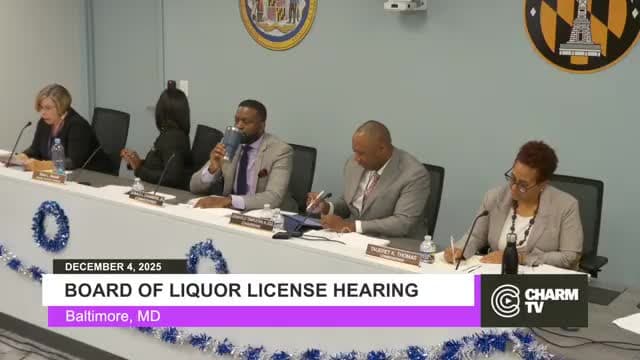
The Board of Liquor License Commissioners for Baltimore City on December 4 concluded an enforcement matter involving Birdhouse Bar, finding that the establishment sold alcoholic beverages outside its permitted licensed premises on two dates in September 2025 and permitted patrons to depart with open containers. The board cited violations of rules governing alterations to licensed premises and the prohibition on open containers in public spaces, and imposed fines of two hundred and fifty dollars per violation. Payment deadlines and mitigation comments were entered into the hearing record.
At the same session the board approved a slate of ownership transfers, granted a series of one hundred and eighty day hardship extensions to allow some licensees additional time to reopen, and issued rulings on other enforcement matters. The meeting addressed both transactional items and compliance oversight, reflecting the board's dual role in regulating the city alcohol market and protecting public safety.
Inspectors testified that a makeshift outdoor sales setup had extended into the public right of way and that staff were using a cooler to serve beverages, facts the board relied on in finding the violations. Those operational details highlight the fine line between permitted outdoor service and actions that alter licensed boundaries or permit drinking in public thoroughfares.
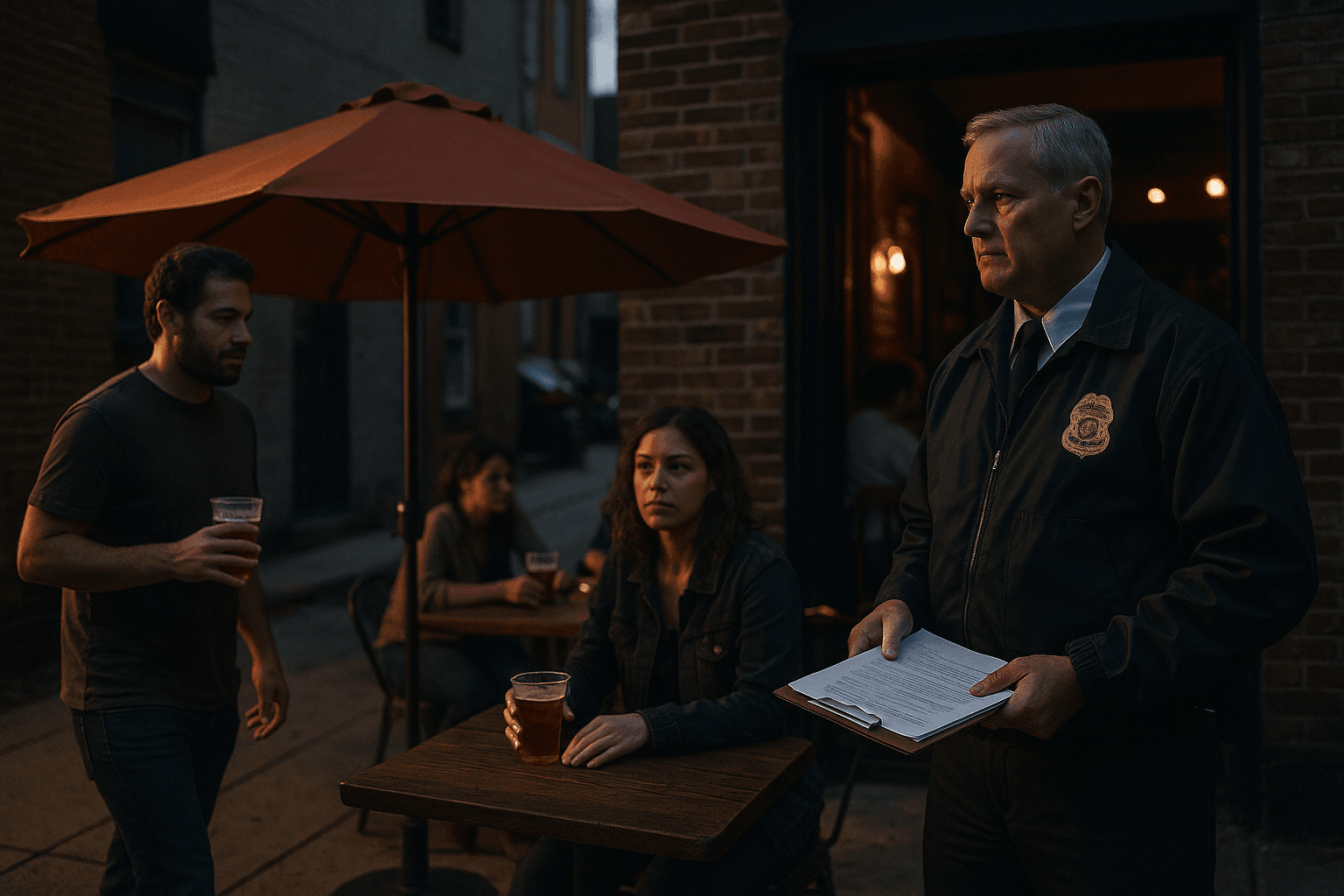
For neighbors and neighborhood businesses the decision carries immediate practical consequences. Fines and recorded violations can affect a licensee's standing, influence future inspections, and shape community perceptions of safety and order on sidewalks and commercial strips. Business owners need to review licensing rules for outdoor service, and residents can expect continued enforcement activity where public space use intersects with alcohol sales.
Baltimore joins many cities confronting how to manage outdoor hospitality while balancing economic recovery and neighborhood quality of life. The board's actions on December 4 illustrate municipal enforcement in practice, and they send a clear message to licensees that adherence to premises boundaries and open container rules will be strictly overseen.