Baltimore Recounts Homicides by Year of Injury, Aligns with FBI Standard
Baltimore changed how it tallies homicides on December 5, 2025, moving to a new FBI aligned method that attributes a homicide to the year the fatal injury occurred rather than the year the victim died. The adjustment aims to improve the integrity and transparency of city data, and it will affect year to year comparisons that matter for public safety planning and community trust.

The Baltimore Police Department announced on December 5 that it will adopt a new counting method for homicides that follows a recent FBI standard. Under the revised approach, fatal injuries recorded in one calendar year that result in death in a subsequent year will be counted in the year the injury took place. The change is intended to improve the integrity and transparency of city data.
Practically, the shift means that some deaths currently counted in 2025 could be reassigned to earlier years if medical records show the fatal injury occurred previously. That reallocation will alter official homicide totals for affected years, and could change how residents, city officials, and analysts read trends in violence across Baltimore neighborhoods.
The Baltimore Police Department framed the move as a step toward clearer reporting. Commissioner Richard Worley emphasized the importance of public trust in the accuracy of the data. The department said the goal is to present homicide statistics that match the timing of violent incidents, rather than the sometimes delayed timing of a victim's death.
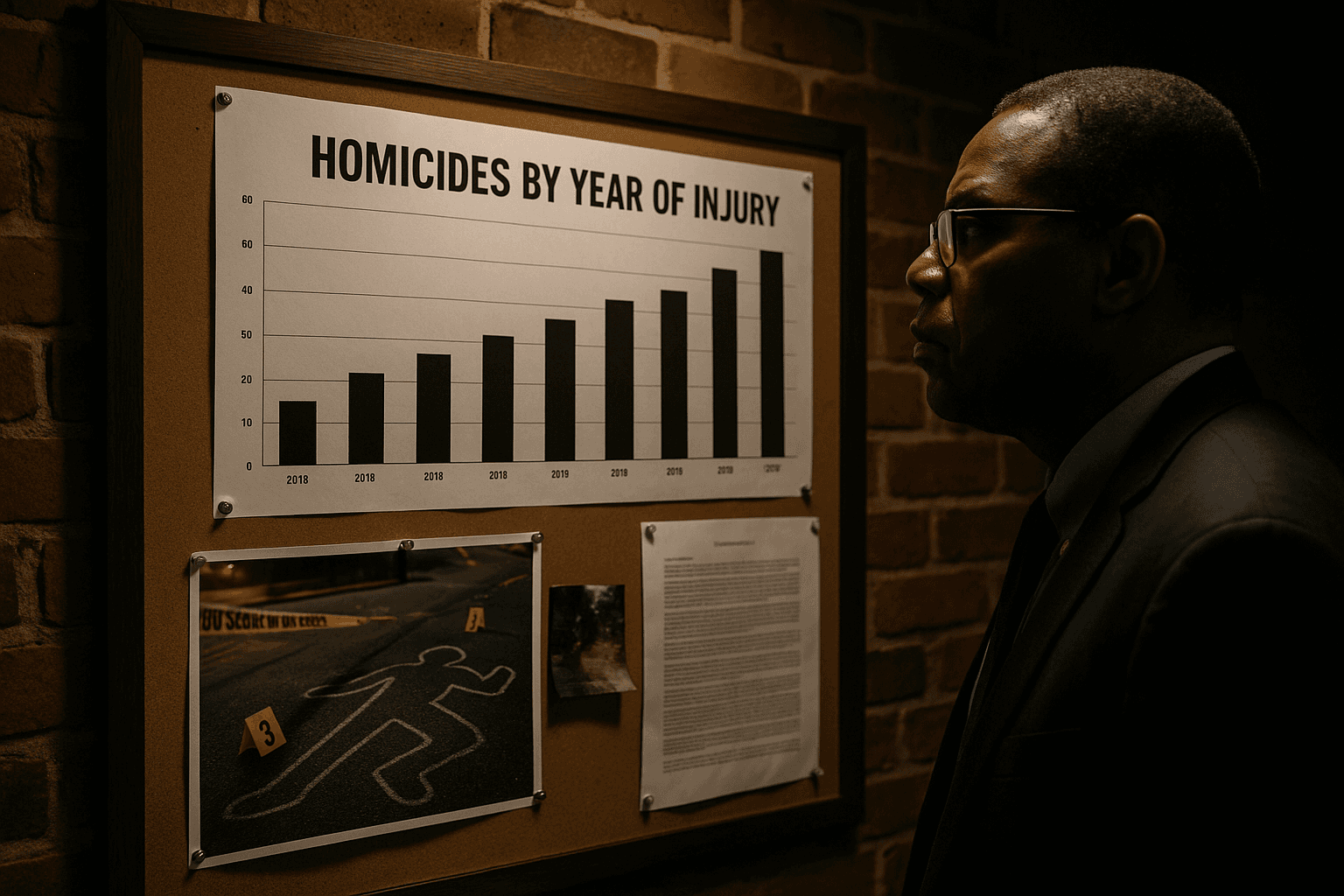
For Baltimore residents the change matters in several ways. Year to year totals are used by city agencies to allocate resources, evaluate policing and prevention programs, and inform community safety initiatives. Nonprofit organizations and neighborhood leaders use those totals to make funding appeals and to shape intervention strategies. When a homicide is reassigned to an earlier year the practical effect could be a lower count for the later year and a corresponding rise in the earlier year, which complicates narrative about whether violence is increasing or declining without careful explanation.
Investigations and prosecutions are unaffected by the counting rule, as casework follows forensic and legal timelines. Families and community advocates who track specific cases will see no change to how investigations proceed, though public reporting of totals will shift. Moving forward, the department will need to communicate revisions clearly so that policymakers, media outlets, and residents understand what the numbers represent and how they should be interpreted for public safety planning and civic oversight.