Baltimore officials report crime declines, call for restored interagency cooperation
City Council leaders heard a review of 2025 crime reduction efforts showing declines in violent crime and improving case clearance rates, while a public split between the State's Attorney and the Mayor's Office of Neighborhood Safety and Engagement raised concerns about future coordination. The dispute prompted a planned meeting between Mayor Brandon Scott and State's Attorney Ivan Bates, a move council members say is needed to protect investigations and violence prevention work that matter to Baltimore residents.
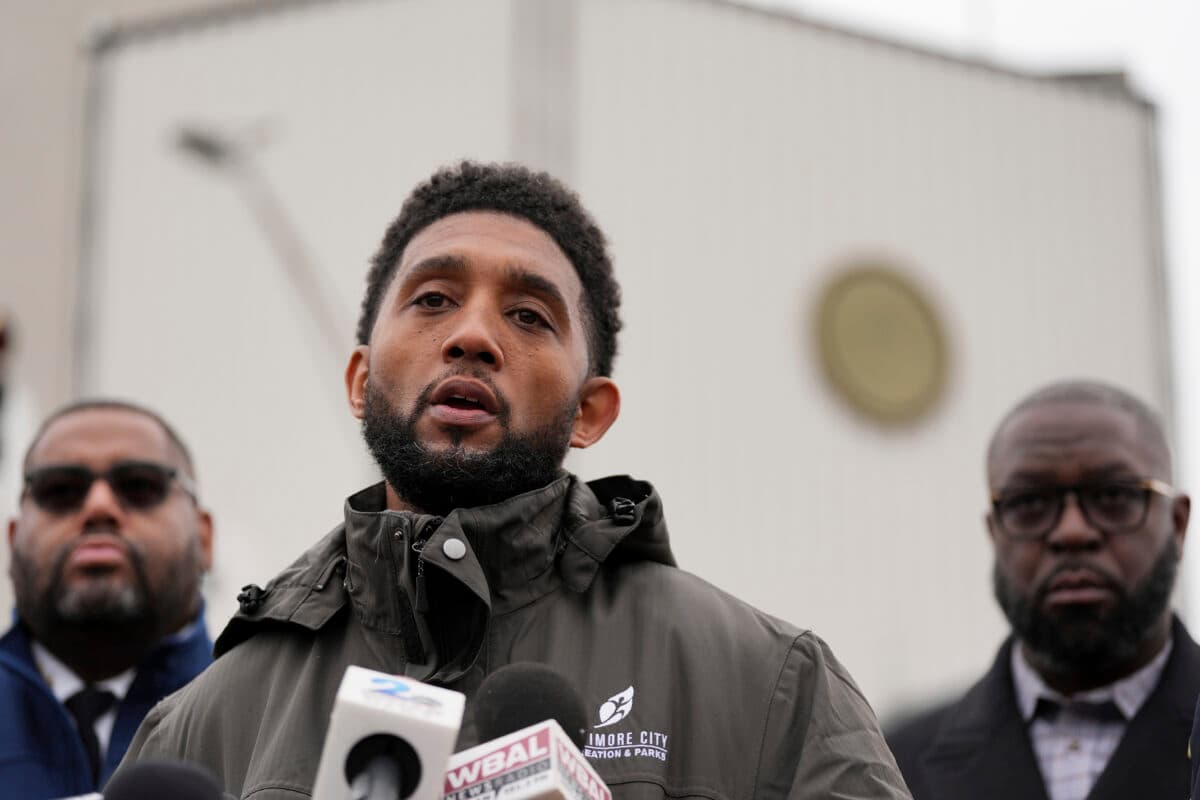
Baltimore City Council members on the Public Safety Committee received a detailed review of 2025 crime reduction work on December 9 that painted a cautiously optimistic picture of public safety gains alongside serious institutional strains. Police and the Mayor's Office of Neighborhood Safety and Engagement reported overall declines in violent crime and improving clearance rates, with the police commissioner citing a homicide clearance rate around 64 percent and a nonfatal shooting clearance rate near 42 percent. Those figures were presented as evidence that targeted enforcement and investigative efforts produced measurable results this year.
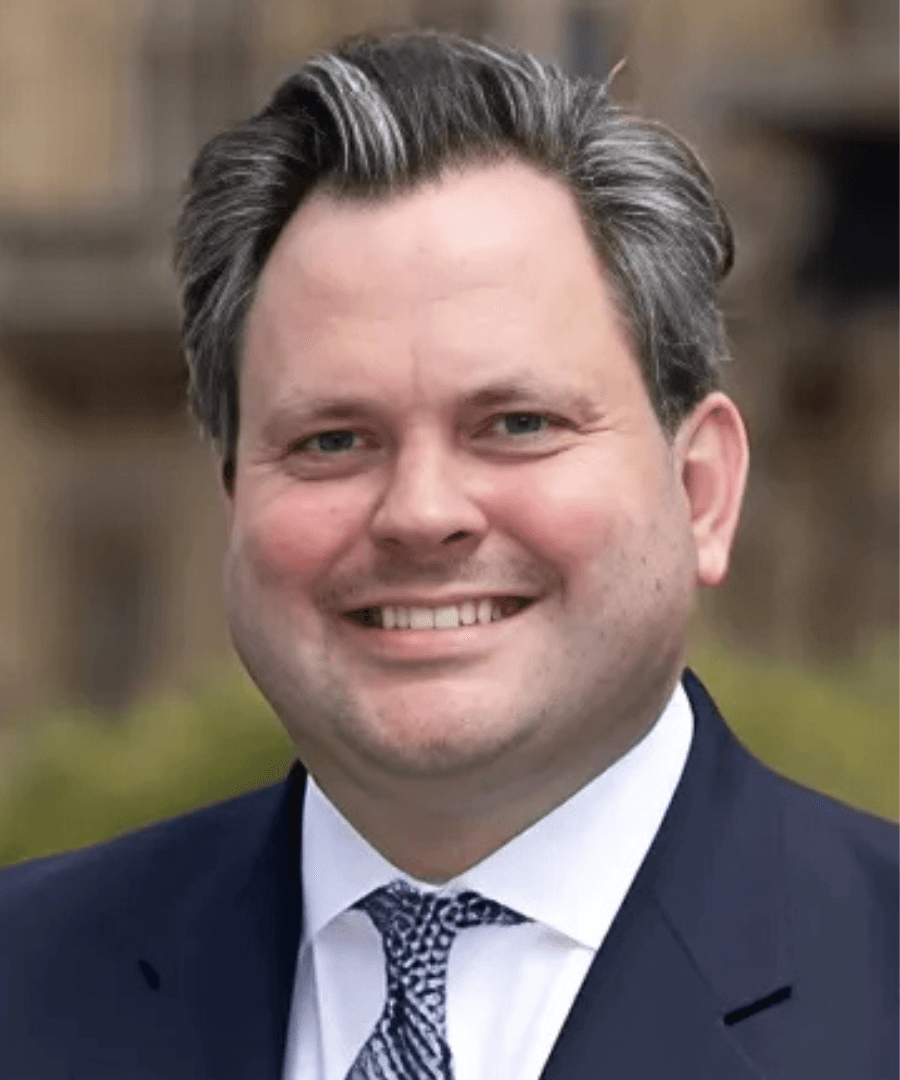
The hearing also exposed a widening rift in the city safety apparatus. State's Attorney Ivan Bates has said his office will no longer directly coordinate with the Mayor's Office of Neighborhood Safety and Engagement, a move that alarmed council members who view sustained collaboration between prosecution, policing, and prevention programs as essential to sustained progress. To address the breakdown, a meeting was planned between Bates and Mayor Brandon Scott to try to rebuild lines of communication and operational cooperation.
Committee members highlighted recent enforcement actions as part of the review, including arrests tied to an armed carjacking, to underline that arrests and prosecutions remain central to stemming violence. At the same time, council members stressed the need to sustain prevention programming run by MONSE and community partners, noting that arrests alone will not remove the underlying drivers of crime in neighborhoods across the city.
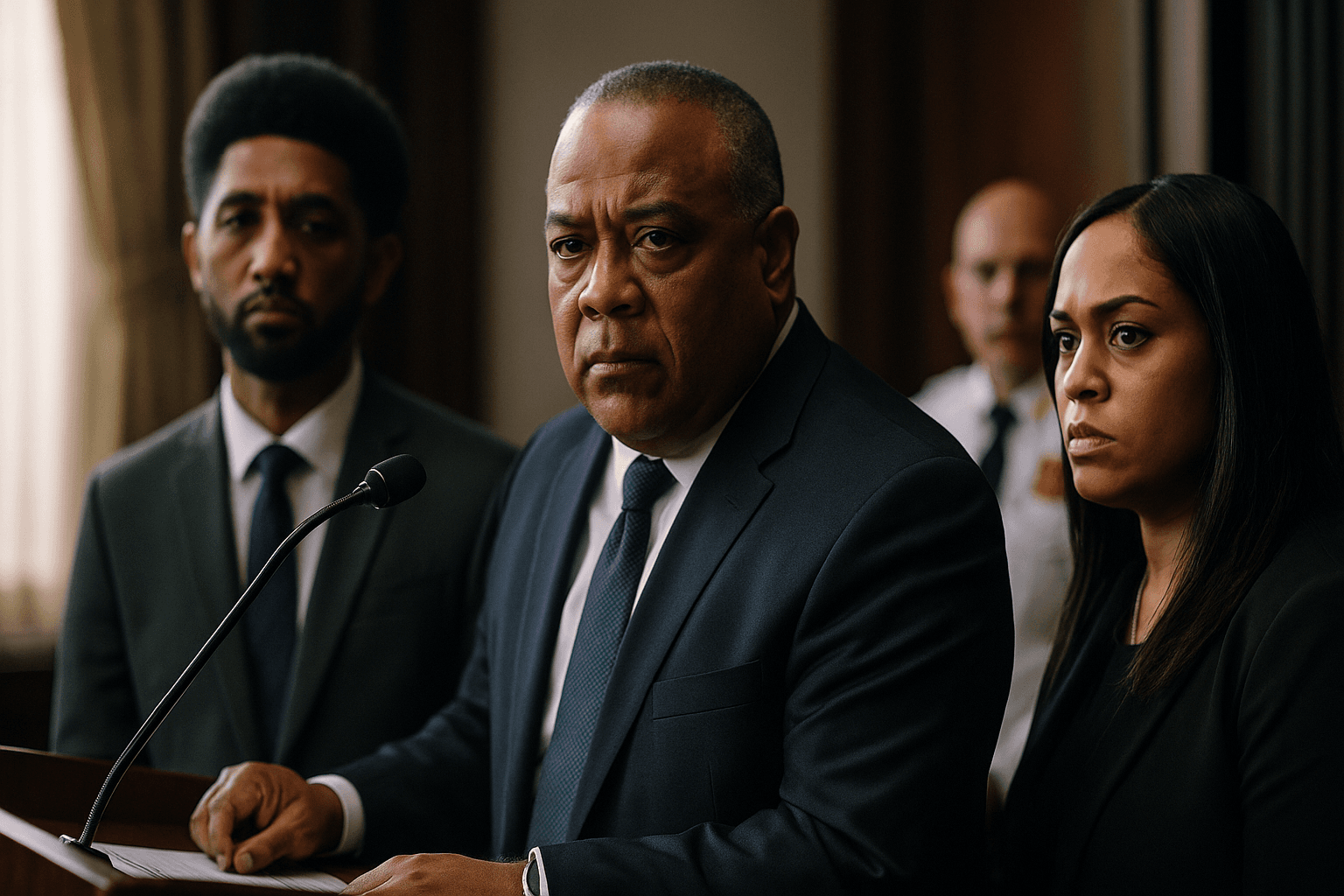
For Baltimore residents the stakes are immediate. Improved clearance rates can increase public confidence and help bring closure to victims, but a rupture in interagency coordination risks slowing investigations, complicating prosecutions, and disrupting prevention initiatives that rely on shared intelligence and referrals. The planned meeting between Bates and the mayor will be watched closely by community leaders and victims advocates who want assurance that city institutions will act in concert.
City officials leave the meeting with progress to show and hard work ahead. Maintaining both strong investigative results and collaborative prevention strategies will determine whether the modest gains of 2025 are sustained into the coming year.
Sources:
Know something we missed? Have a correction or additional information?
Submit a Tip