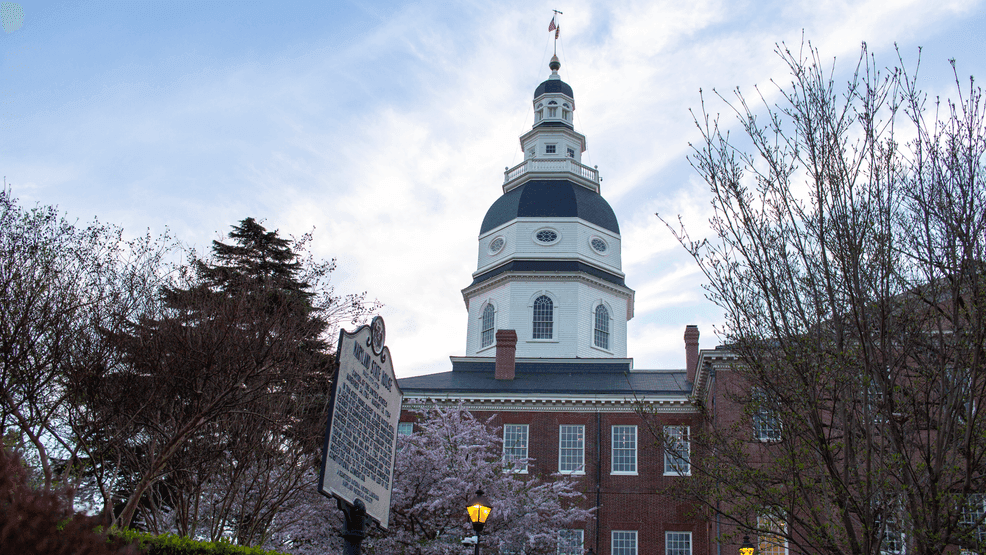
Baltimore Opens New Court Help Center, Expands Access to Justice
The Circuit Court for Baltimore City opened the Harry A. Cole Court Help Access and Information Center on December 9, providing self represented litigants in Baltimore new onsite access to legal information and remote attorney chat services. The center aims to ease navigation of civil court matters for residents, with implications for eviction, family law, and consumer cases across the city.

The Circuit Court for Baltimore City formally opened the Harry A. Cole Court Help Access and Information Center on December 9. The center is housed in Room 618 of the Bar Library at the Clarence M. Mitchell Jr. Courthouse, 100 N. Calvert Street, and is named for Harry Augustus Cole, the first African American appointed to the Maryland Court of Appeals now the Supreme Court of Maryland.
The new center provides self represented litigants with computer workstations that connect directly to Maryland Court Help Center attorneys through online chat. Staff and resources at the center address a wide range of civil legal matters handled in district and circuit courts including landlord tenant disputes, eviction related issues, family law matters such as divorce, custody, child support and guardianship, expungement, consumer matters including debt collection and return of property, domestic violence and peace orders, and foreclosure. Visitors can research legal topics, look up case information, complete court forms, watch Maryland Court Help webinars, and consult printed plain language materials. A CourtTV monitor displays Maryland Court Help videos. The center is open Monday through Friday from 8 30 a.m. to 5 00 p.m.
Statewide court help centers provided more than 200,000 instances of service to self represented litigants last year, underscoring sustained public demand for nonattorney assistance. For Baltimore residents the local center reduces the barrier of internet access at home and centralizes tools and instructions necessary to prepare for court or mediation. That access can affect outcomes in time sensitive cases such as eviction and family law hearings, and can reduce procedural delays that clog court calendars.
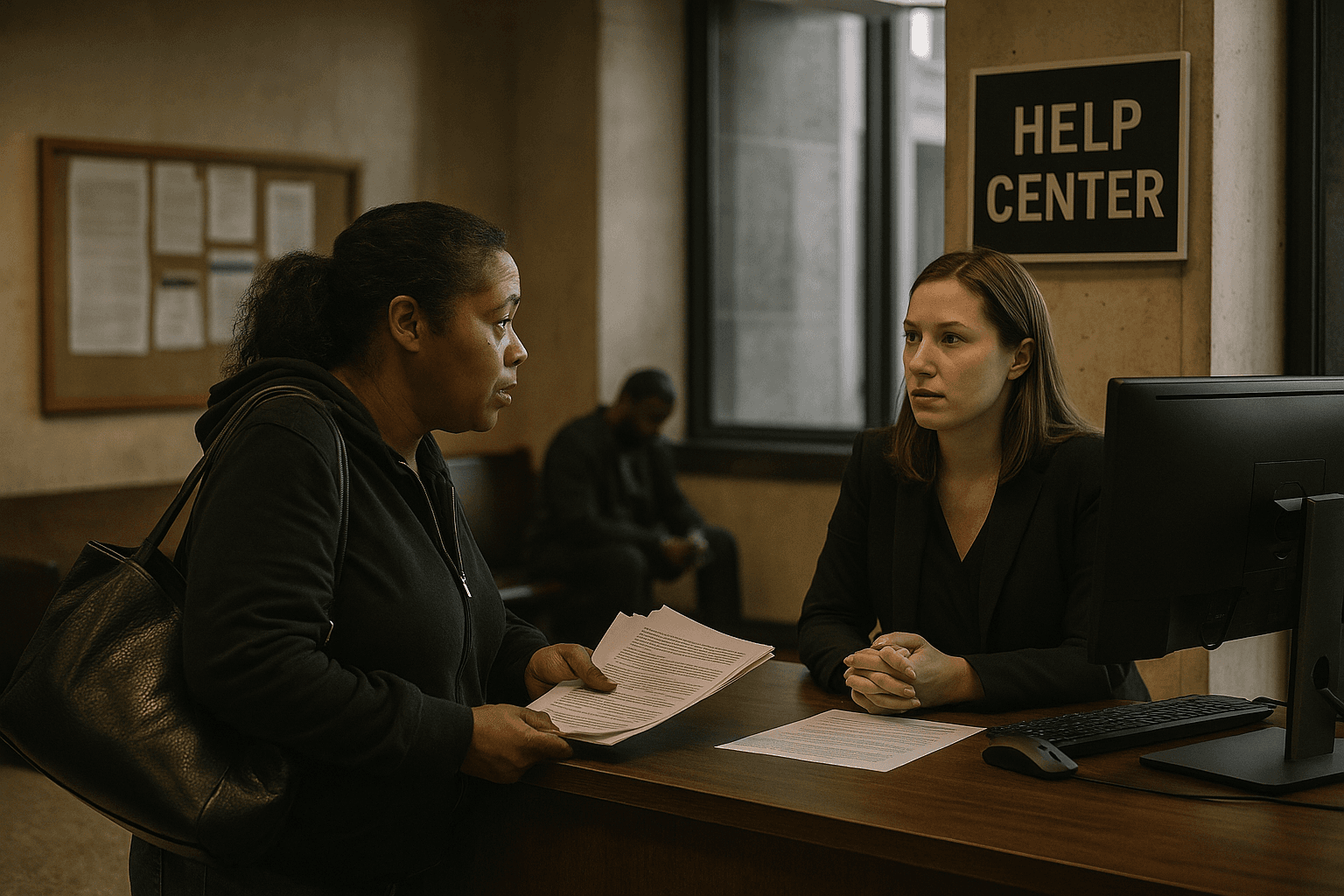
The opening reflects a broader institutional effort to expand access to justice through plain language materials and remote attorney support. For the effort to have long term effect, policymakers and court administrators will need to monitor use, measure outcomes for litigants, and ensure stable funding and staffing that match the demonstrated demand. The center establishes a visible point of service in downtown Baltimore for residents navigating the civil justice system.
Sources:
Know something we missed? Have a correction or additional information?
Submit a Tip