Moore Calls Special Session, Maryland House to Elect Speaker
Governor Wes Moore issued an executive order on December 9 calling a special session of the Maryland General Assembly to convene on December 16, with the immediate purpose of electing a new House speaker after Adrienne Jones resigned. The session will also require lawmakers to take up scheduled veto override votes, and the governor left open the possibility of addressing other consequential matters including mid cycle congressional redistricting and federal immigration enforcement agreements.
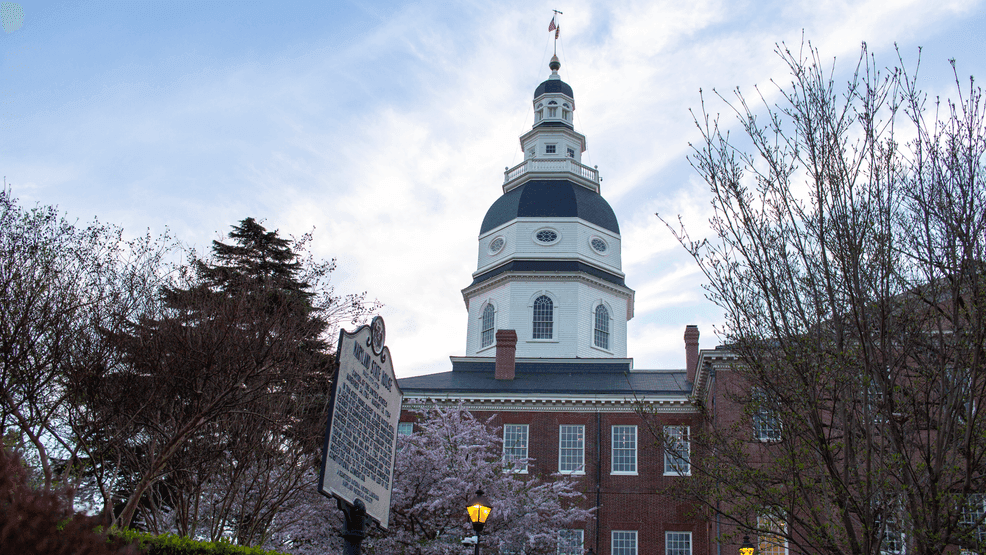
Governor Wes Moore moved on December 9 to summon the General Assembly back to Annapolis for a special session that will open on December 16. The immediate charge is procedural and consequential. The House must elect a new speaker following the resignation of Adrienne Jones, and both chambers will be required to consider scheduled veto override votes. Those tasks set the clear baseline for the session, even as the governor signaled flexibility to add other items.
The speaker contest is expected to shape the short session. Members of the House will face a compressed timetable to organize candidates, secure support, and complete the internal votes needed to install new leadership before legislative business resumes. Political dynamics in Annapolis are likely to be intense, as the outcome will determine committee assignments, agenda control, and the cadence of the 2026 legislative year.
Beyond leadership and veto matters, the governor left open the possibility of placing additional items on the agenda. Two issues flagged as potential additions carry outsize local and national significance. Mid cycle congressional redistricting could alter Maryland s congressional map and affect representation for Baltimore City residents in Washington. Measures touching federal immigration enforcement, including agreements under the 287(g) framework that deputize local officers for certain federal immigration tasks, could reshape public safety and community trust in immigrant neighborhoods.
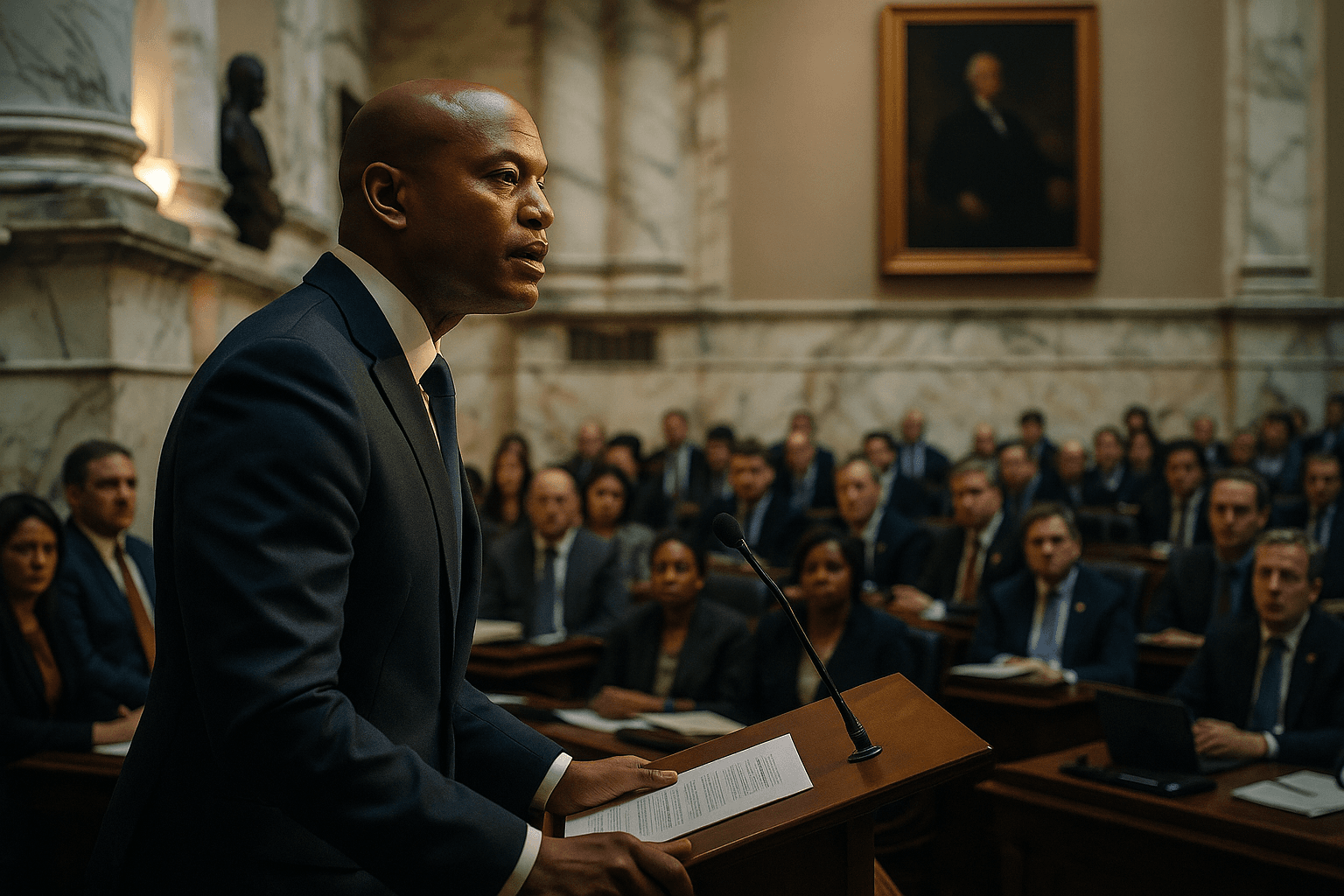
For Baltimore City lawmakers and constituents the special session imposes practical constraints. Legislators will need to travel to Annapolis quickly, and the session brings with it statutory prohibitions on fundraising while the legislature is convened. Those rules complicate campaign calendars and constituent outreach during the session window.
The special session opens a compressed period in which decisions will carry immediate procedural consequences and potential long term policy effects. Baltimore City residents will want to watch the speaker election closely, monitor the veto override outcomes, and follow any moves on redistricting or immigration enforcement that could directly affect voting power and community policing in the city.
Sources:
Know something we missed? Have a correction or additional information?
Submit a Tip