Baltimore Vigil Rejects Federal Cuts to HIV Prevention and Care
Dozens gathered December 29, 2025, at Brown Memorial Park Avenue Presbyterian Church for an interfaith candlelight vigil marking World AIDS Day, remembering lives lost and calling for renewed investment in prevention, treatment, and harm reduction. The event underscored local concerns after the federal government did not officially commemorate World AIDS Day in 2025 and highlighted stark Baltimore disparities that threaten to widen if funding and services are reduced.
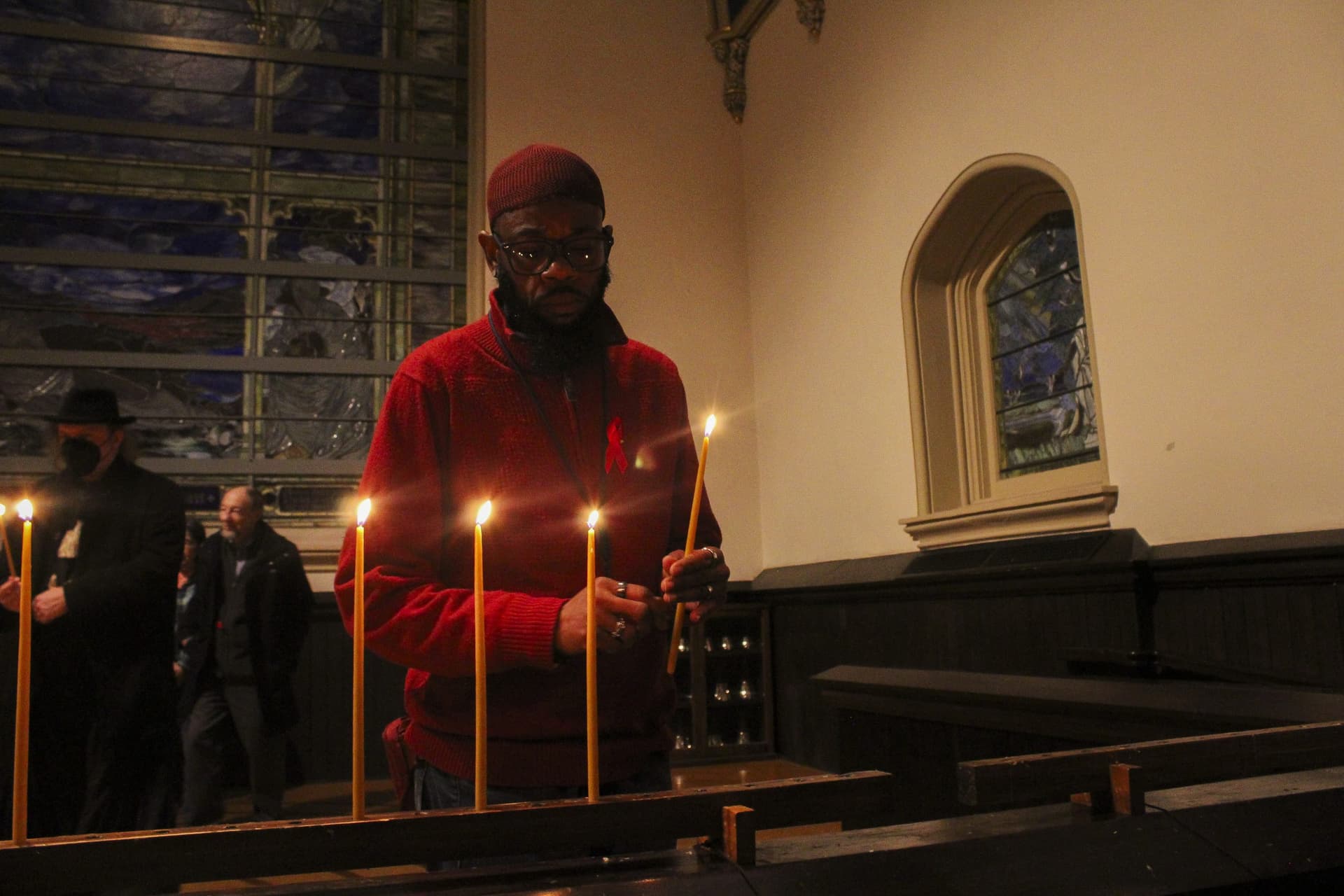
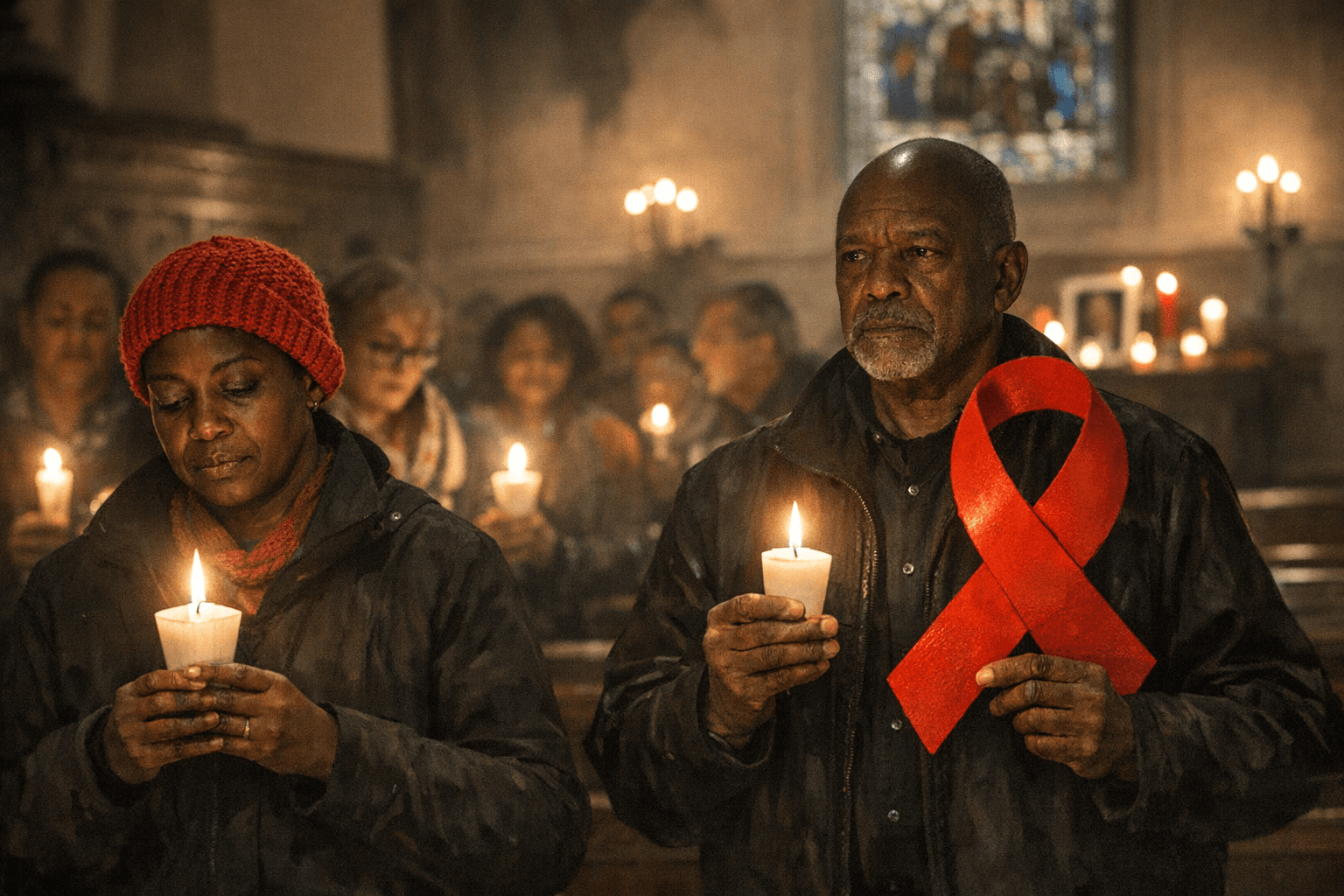
Dozens of people filled the sanctuary and churchyard at Brown Memorial Park Avenue Presbyterian Church on December 29, 2025, for an interfaith candlelight vigil that mixed mourning with political urgency. Attendees lit candles, distributed red ribbons, sang and prayed as speakers urged renewed commitment to HIV prevention, treatment, and harm-reduction approaches amid mounting concern about federal funding cuts.
Organizers placed the vigil in broader context: 2025 marked the first year since 1988 that the U.S. government did not officially commemorate World AIDS Day. In Baltimore, where structural inequities shape health outcomes, that shift in federal attention carries real consequences. A 2024 Baltimore City Health Department statistic cited at the vigil showed that roughly 75 percent of recent local HIV cases are among Black men, a disparity advocates say is rooted in longstanding inequities in access to care, housing, employment, and culturally competent prevention services.
Public health experts at the event warned that reductions in federal support could undermine testing, outreach, and linkage to care programs that have driven declines in new infections over the past decades. Community-based organizations that deliver street outreach, syringe services, sexually transmitted infection screening, and pre-exposure prophylaxis referrals operate on thin margins. Cuts to funding threaten to reduce hours, close mobile units, and curtail targeted efforts that reach people who are uninsured, unhoused, or mistrustful of traditional health systems.
The vigil emphasized harm reduction as a practical path to protecting lives and advancing health equity. Speakers and faith leaders called for expanded access to medication-assisted treatment for substance use, robust syringe services, and sustained investment in rapid testing and immediate antiretroviral therapy to prevent progression to AIDS and reduce transmission.
For residents seeking care, the Baltimore City Health Department HIV/STD services provides testing, prevention, and linkage-to-care resources. Individuals can contact the Baltimore City Health Department to learn about local testing sites, treatment options, and prevention services including PrEP and harm-reduction programs. Community advocates at the vigil urged neighbors to support local clinics and outreach programs and to press policymakers for funding that reflects Baltimore’s public health needs.
The candlelight vigil combined commemoration with a demand for policy action: community members and health advocates made clear that remembering lives lost must be matched by tangible investments to prevent new infections and to ensure equitable access to care across the city.
Sources:
Know something we missed? Have a correction or additional information?
Submit a Tip