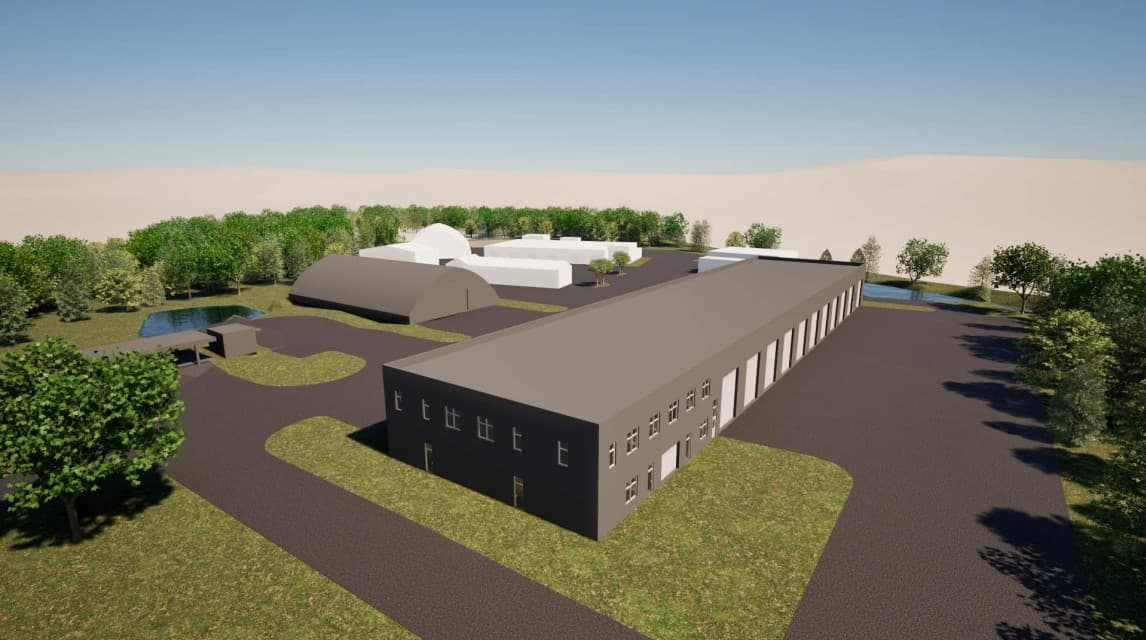
Bath Housing Leads Regional Push to Expand Mixed Income Rentals
Bath Housing has moved from a maintenance role to active development, buying and stewarding property, partnering with private developers, and using grants and low interest financing to preserve and create mixed income rental units. For Sagadahoc County residents this approach aims to deliver more senior, workforce, and downtown housing while raising questions about neighborhood fit, parking, and preservation tradeoffs.

Bath Housing has adopted an explicit development oriented strategy to address the region's growing housing shortage, stepping into roles normally handled by private developers and municipal real estate teams. Executive director Debora Keller outlined an update in strategy that includes acquiring and stewarding property, including historic buildings, partnering with developers, and assembling grants and low interest financing to preserve and create mixed income rental units. That work has produced a slate of projects in Bath and a pipeline of units scheduled through 2027.
Recent projects include renovations of downtown historic blocks, rehabilitation of the Uptown senior building, and the reservation of land for workforce housing. By taking early ownership and coordinating funding, Bath Housing has used local partnerships and private development capacity to move projects from concept to construction more quickly than relying on market forces alone. These moves mirror shifts elsewhere in the state where cities such as Bangor, Biddeford and South Portland have created municipal real estate teams to accelerate housing production.
Regional coordination has also grown. The Midcoast Council of Governments launched a Housing Forward pilot to help neighboring towns develop targeted strategies that align municipal priorities with funding opportunities. That pilot aims to equip smaller towns with planning tools and to reduce bottlenecks that often slow projects at public meetings.
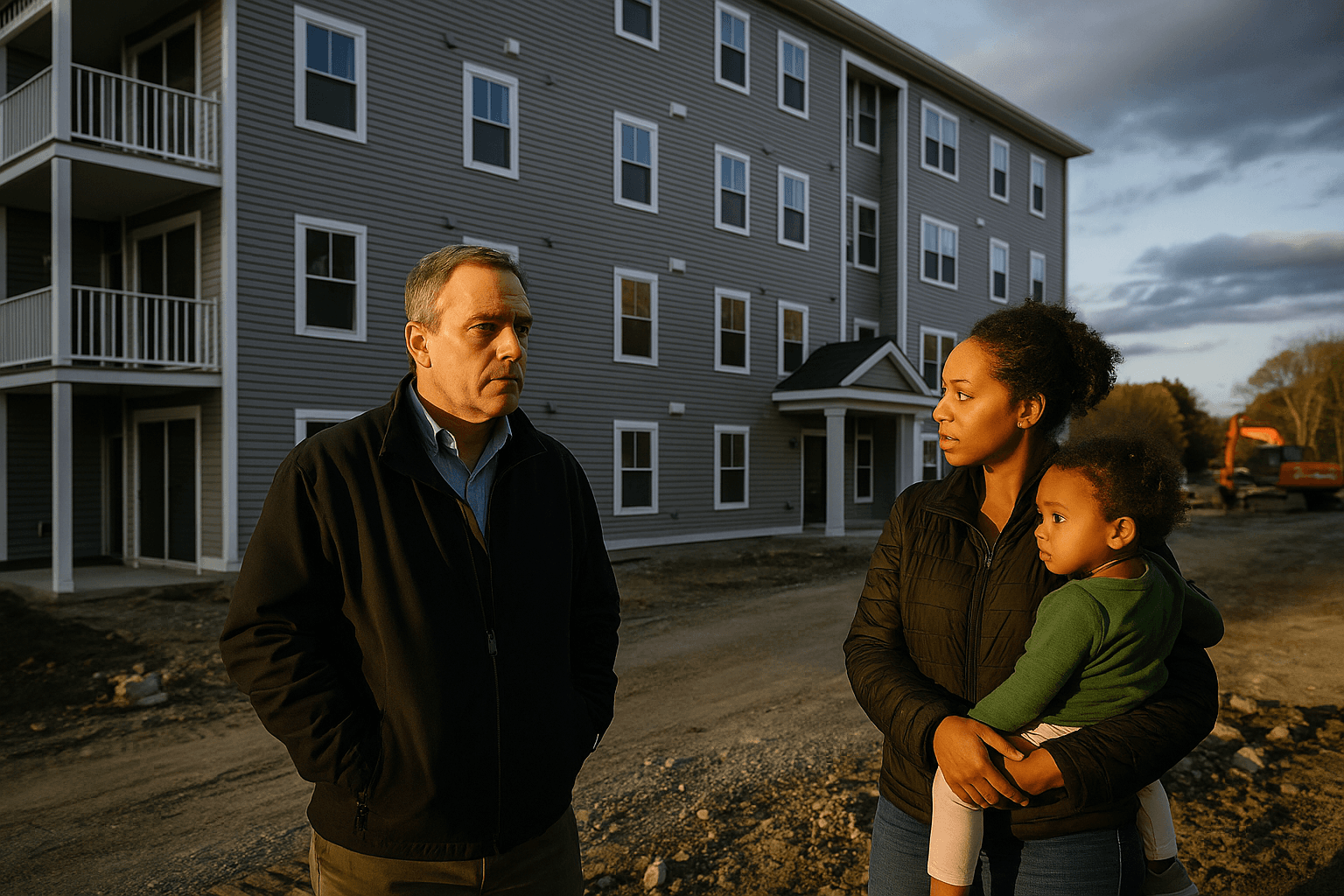
Local impact is likely to be tangible for Sagadahoc County. Expanded senior housing can free up family sized units, workforce housing close to employers can reduce commute times, and downtown renovations can enliven Main Street businesses. At the same time tradeoffs remain. Preservation of historic blocks brings higher construction costs and stricter design constraints, while new construction prompts community concerns about parking, traffic and neighborhood fit. Successful projects have relied on front loading outreach to build local buy in and on matching funds that make proposals financially viable.
The broader lesson for local leaders is that housing authorities can act as conveners and early land stewards, absorbing initial community resistance and coordinating funding to keep projects moving. For residents, the coming pipeline through 2027 offers practical opportunities and concrete questions about how growth will reshape Bath and the wider Sagadahoc County community.