Belarus Frees 123 Political Prisoners, Including Nobel Laureate
Belarusian authorities released 123 people described by rights groups as political prisoners after talks with a U.S. presidential envoy, a move tied to Washington easing sanctions on Belarusian potash exports. The exchange reshapes a fraught human rights debate and carries immediate implications for global fertilizer markets and food price pressures ahead of next spring planting.

Belarusian authorities released 123 people described by rights groups as political prisoners in mid December 2025, including Nobel Peace Prize co winner Ales Bialiatski and senior opposition leader Maria Kalesnikava. The transfers followed two days of negotiations in Minsk between Belarusian officials and John Coale, who is identified in reporting as the United States special envoy for Belarus, and were reported by multiple international outlets on Dec. 13 and Dec. 14.
The deal was reported to include a U.S. agreement to lift sanctions on Belarusian potash exports, a critical raw material for fertilizer. Belarus is one of the world s largest producers of potash through state controlled firms, and reopening its flows to global markets is likely to increase supply of a commodity that has been a focal point of trade restrictions since Russia s full scale invasion of Ukraine. Greater potash availability would tend to relieve upward pressure on fertilizer prices, with consequences for farm input costs and ultimately consumer food inflation in coming months.
The most prominent detainee freed was Ales Bialiatski, a long time human rights campaigner who was detained in 2021 and later given a 10 year sentence. Bialiatski arrived in Vilnius and was seen meeting with Belarusian opposition figures. His wife Natalia Pinchuk told AFP he was "travelling to Lithuania" and "feeling well." Maria Kalesnikava, a leader of the mass protests against President Alexander Lukashenko in 2020, was also among those released. Reports named other high profile figures including Viktar Babaryka and a Japanese national, Nakanishi Masatoshi, who had been convicted on espionage charges and sentenced earlier in 2025 to seven years.
Belarusian human rights group Viasna, which the Belarusian state has labeled an extremist organization, said it counted roughly 1,227 political prisoners on the eve of the releases. John Coale was quoted as saying that roughly 1,000 remaining political prisoners "could be released" in the months ahead, a remark that suggests the current move may be the first phase of a larger negotiated exchange.
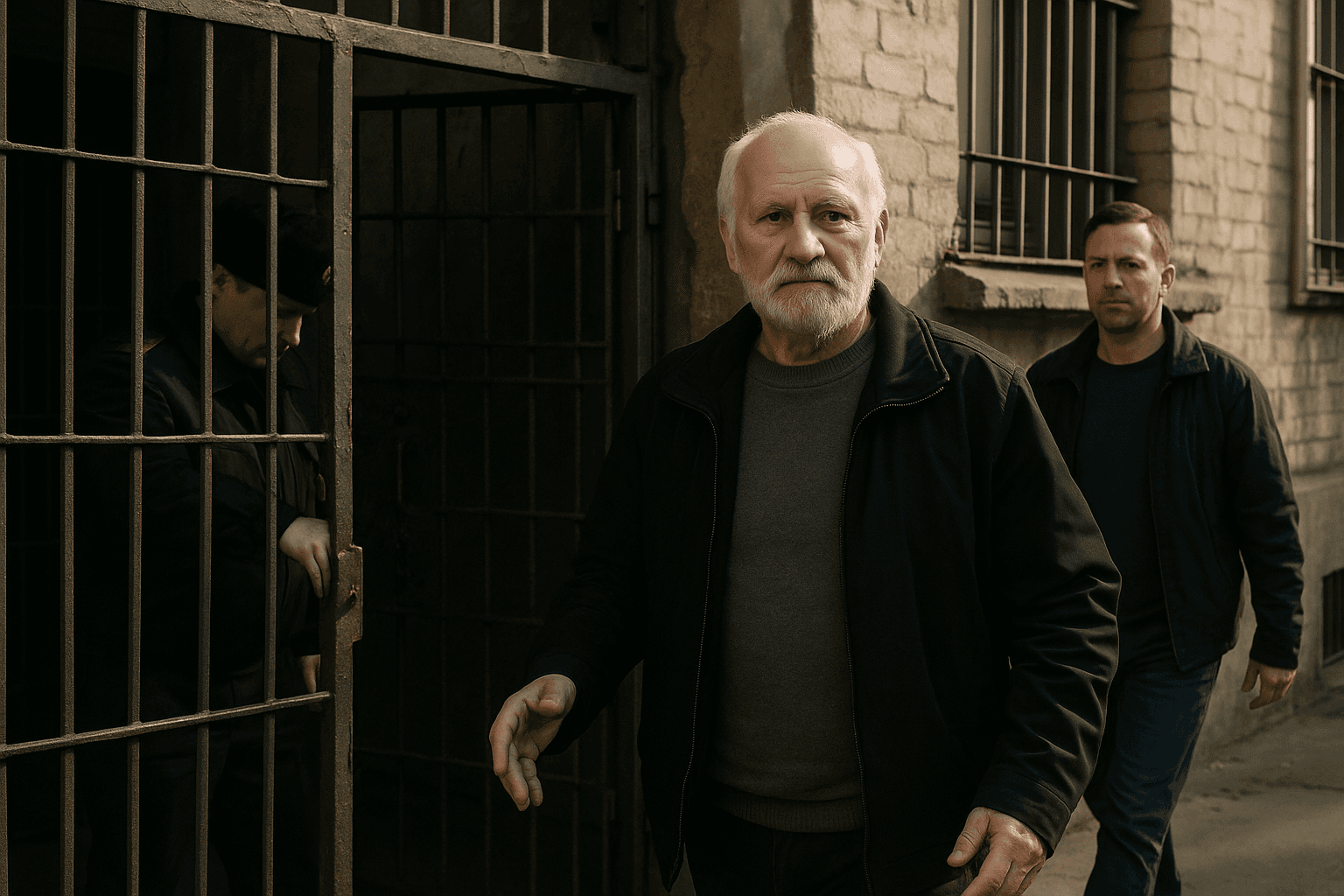
The Norwegian Nobel Committee said it felt "profound relief and heartfelt joy" at Bialiatski s release and urged that all political prisoners be freed. Rights organizations have documented harsh prison conditions in Belarus and have reported at least seven political prisoners died reportedly because of insufficient food and lack of adequate healthcare.
Economically, the immediate market impact will depend on the scope and timing of the sanctions relief and whether Belarusian producers can rapidly increase shipments. Analysts will be watching port capacity, logistical bottlenecks and buyer willingness to re engage. For policymakers the deal lays bare a stark choice between human rights priorities and strategic economic interests tied to global food security. Western governments will face pressure to clarify whether the action signals a broader shift toward pragmatic engagement with Minsk or a narrowly tailored exception to secure fertilizer supplies.
For Belarus the exchange bolsters President Lukashenko s leverage, demonstrating that state control over a strategic commodity can translate into diplomatic concessions. For the United States and its allies the episode marks a test of whether conditional engagement can yield further releases and broader improvements, or whether it will be criticized as trading away human rights demands for economic relief. Journalists and observers will be watching for full lists of freed individuals, formal statements from Washington and Minsk detailing the sanctions measures lifted, and any subsequent releases that may follow.
Know something we missed? Have a correction or additional information?
Submit a Tip