Bemidji Forum Confronts Child Care Costs, Basic Needs Crisis
On December 4, 2025 a community forum in Bemidji brought together child care providers, families, nonprofit leaders and elected officials to examine rising child care costs and the strain of housing, health care and groceries on local households. The discussion framed the problem through ALICE data and pushed policy conversations about capping out of pocket child care expenses and improving wages for the early childhood workforce, issues that affect workforce participation and community health across Beltrami County.

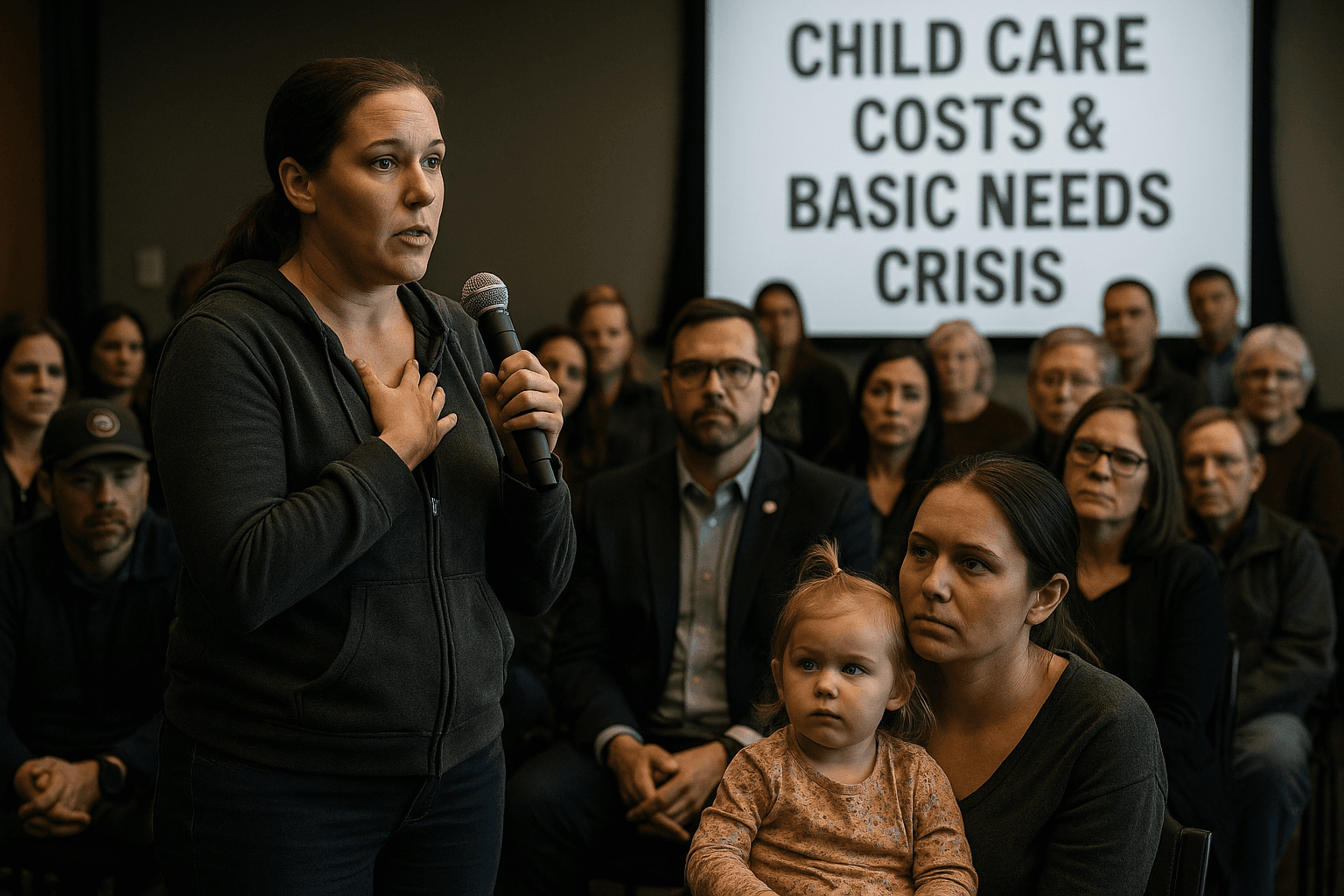
Dozens of residents gathered in Beltrami Electric’s community room on December 4, 2025 for a forum centered on the financial pressures facing families in Beltrami County. Organized around ALICE data, the event included presentations from the United Way of Bemidji Area on local ALICE statistics and drew elected officials and community leaders to respond to testimony from parents and providers.
Speakers included Bemidji Mayor Jorge Prince, State Rep. Bidal Duran, City Councilmember Gwenia Fiskevold-Gould and a county commissioner. Child care providers and families described the daily trade offs they make when housing, health care and groceries compete with the cost of child care. Organizers and advocates used the ALICE framework, which stands for assets limited, income constrained, employed, to explain how employment alone does not protect families from financial instability.
Policy proposals discussed ranged from incremental changes to broader ideas such as a Free Child Care for All model that would cap out of pocket child care costs at a percentage of family income. The forum placed particular emphasis on child care workforce wages, noting a local average wage figure cited by participants and underscoring how low pay contributes to staff turnover, limited program capacity and uneven quality of care.
Public health implications surfaced repeatedly. Speakers and attendees linked unstable child care to delayed access to health services for children, increased stress and mental health burdens for parents, and barriers to stable employment that ripple through the local economy. For employers and health providers, the shortage of affordable child care limits labor force participation and complicates care coordination for families with medical needs.
The event reinforced ongoing local organizing and advocacy efforts aimed at legislative solutions at the state level. By centering lived experience alongside data, the forum aimed to build pressure for policy changes that address both immediate affordability and the underlying systemic factors that shape health and economic equity in Beltrami County.