DNR Urges Winter Pruning to Curb Oak Wilt Spread
The Minnesota Department of Natural Resources issued an advisory on December 4 urging landowners and municipal forestry crews to prune or remove oak trees during winter, now through February, to reduce the risk of oak wilt infection. The guidance matters for Beltrami County because the fungus causing oak wilt is moving north and west, and winter pruning minimizes the chance that beetles will transmit the disease to fresh wounds.

The Minnesota Department of Natural Resources this week advised property owners and city forestry crews to postpone pruning or cutting oak trees until winter months to lower the risk of spreading oak wilt. The DNR specified that pruning during warmer months can leave fresh wounds that attract sap feeding beetles, which can carry the oak wilt fungus from infected trees to healthy ones. Winter pruning now through February reduces the likelihood of those beetles transmitting the pathogen.
A DNR forest health consultant emphasized prevention as the most cost effective strategy, noting that treatment options can be expensive while preventive measures can be inexpensive or free. For Beltrami County this advisory aims to protect the local oak canopy that contributes to neighborhood shade, wildlife habitat, and property values. Municipal forestry operations will need to adjust schedules for street and park tree maintenance to align with the recommended winter window.
Oak wilt has been more common in central and southeast Minnesota, but state monitors have observed expansion of the disease to the north and west. That geographic shift makes the winter pruning recommendation directly relevant to northern counties, including Beltrami. Local governments and private landowners who prune during the warm season risk creating conditions that favor beetle movement and disease spread, while delaying cuts can substantially reduce that risk.
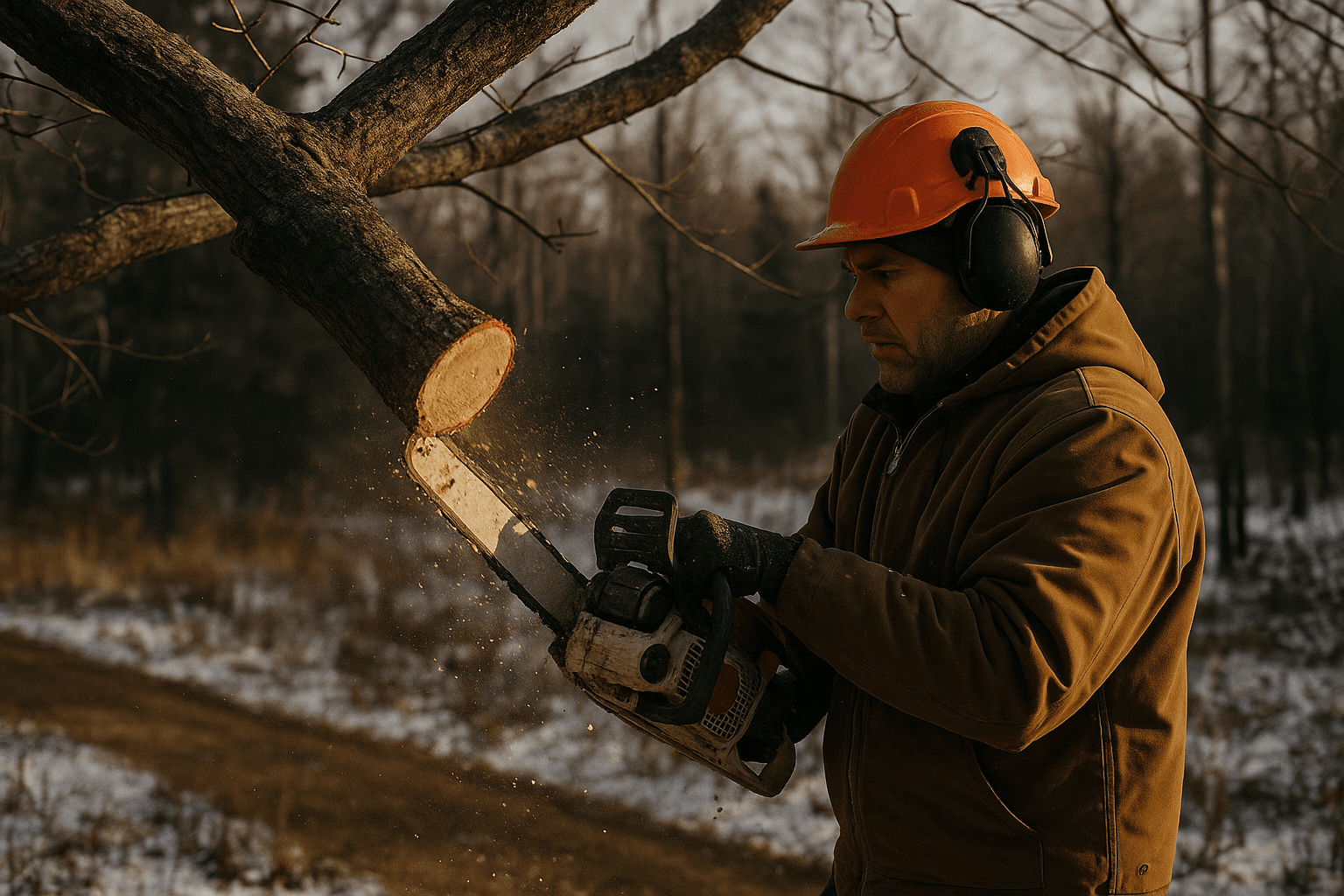
The advisory also carries practical implications for planning and budgets. Municipal crews may reallocate work to other tree maintenance tasks that do not involve oaks during spring and summer, and landowners can avoid costly treatments by following timing guidance. For residents, the simplest course is to schedule oak pruning after leaf fall and before new growth begins, and to contact city forestry offices before removing large oaks on public property.
Timely application of the DNR guidance can slow the spread of oak wilt in Beltrami County, protect urban and rural trees, and reduce long term costs for homeowners and municipalities.