Brazil to return Argentina's diplomatic custody of Caracas embassy
Itamaraty will return Argentina’s diplomatic representation and custody of its Caracas embassy, a role Brazil held since 2024. The handover raises questions about consular continuity and regional diplomacy.
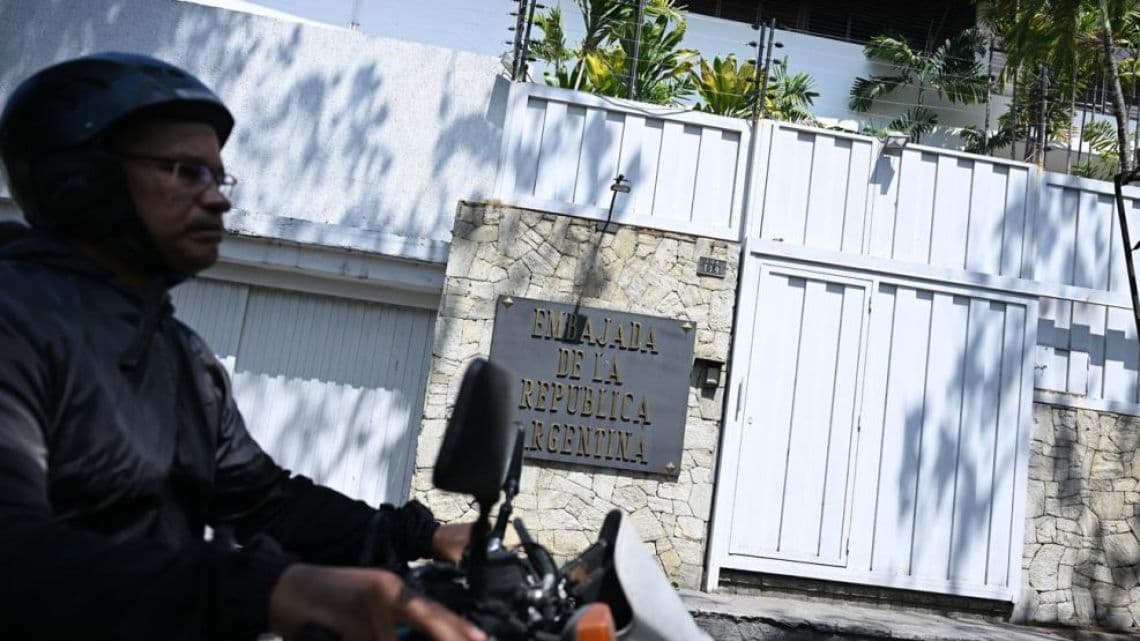
Brazil’s Foreign Ministry notified partners on Jan. 11 that it will hand back to Argentina responsibility for Argentine diplomatic representation and custody of the embassy compound in Caracas, ending a custodial role Brasília assumed in 2024 after Venezuelan authorities expelled Argentine diplomats.
The custodial arrangement, formalized in mid-2024, placed core consular functions, protection of the embassy compound, archives and Argentine interests in Caracas under the care of Brazilian diplomatic staff. The agreement also covered representation of third-party interests on Argentina’s behalf at times, a practice used elsewhere in the region when direct relations break down. Itamaraty confirmed the decision to return responsibility and informed both Buenos Aires and Caracas, but has not issued a fuller public statement and offered no timetable for the handover. Argentina’s embassy in Brasilia did not immediately respond to requests for comment.
The original transfer of duties followed a rupture in relations between Argentina and Venezuela that culminated in Caracas expelling Argentine diplomats in 2024. That crisis prompted Argentina’s government at the time to seek a protecting power arrangement to maintain consular services for nationals in Venezuela and to ensure custody of diplomatic property and records that could not be left unguarded. Brazilian oversight provided a practical solution while preserving diplomatic channels even amid political tension.
The decision to return custody carries immediate, practical consequences. Argentine citizens in Venezuela rely on consistent consular services for passports, notarial acts and emergency support. The logistics of a handover include transfer of archives and property, decisions about security for any returning Argentine staff, and clarity on whether Argentina will immediately reestablish a resident mission or arrange for another state to act as protecting power. Those questions remain unanswered, and the lack of a detailed timeline increases uncertainty for both consular operations and the embassy’s physical security.
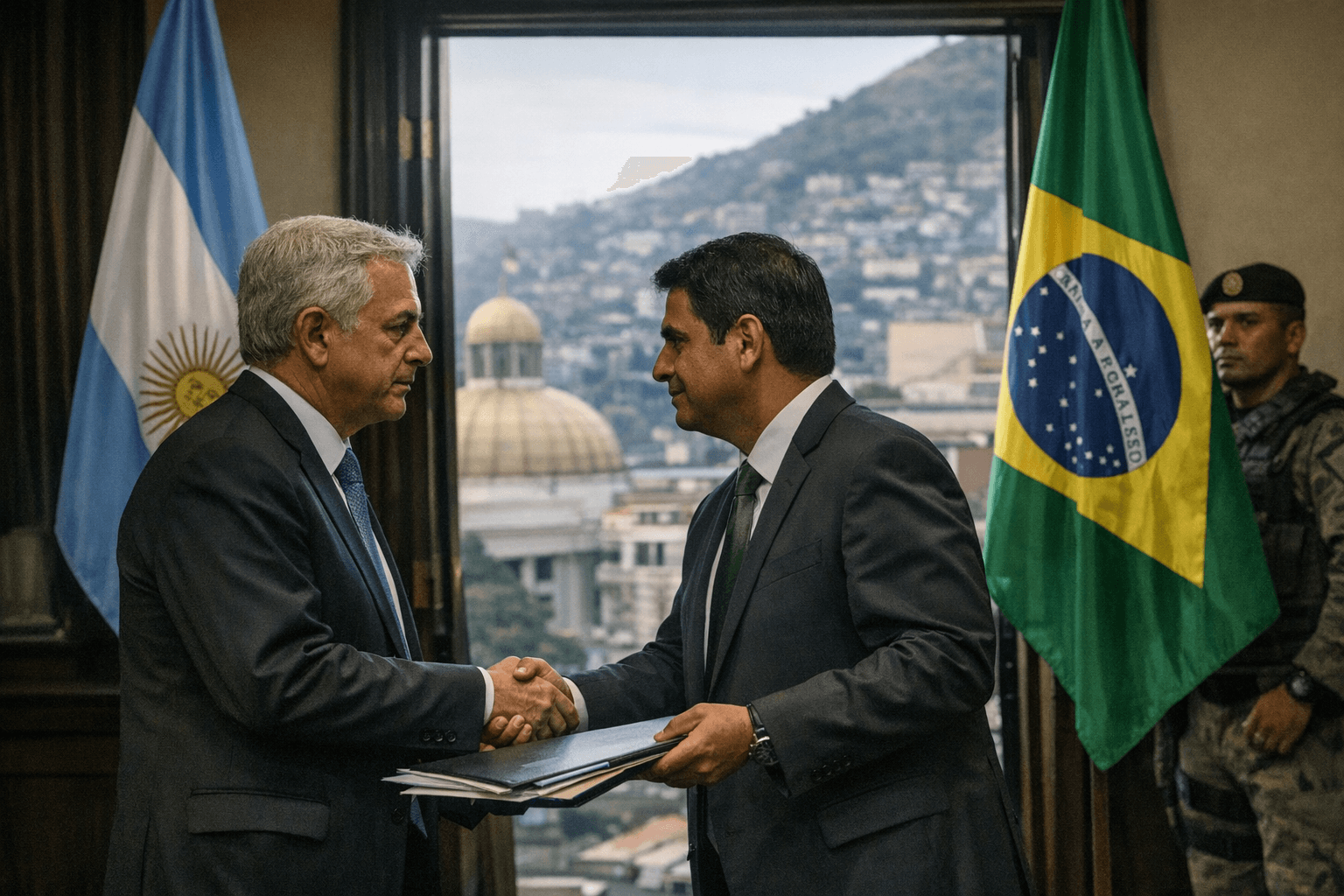
The move also has broader geopolitical significance. The custodial arrangement had become entangled with shifting alignments across South America, where domestic politics and divergent approaches to Venezuela have strained relations between capitals. Returning responsibility may reflect changing priorities in Brasilia and Buenos Aires as new governments consolidate policy, and it could prompt other states to reconsider their own roles as intermediaries in the region. There is also a prospect, not yet confirmed, that Argentina could ask a third country to assume representation in Caracas if it chooses not to immediately redeploy diplomatic staff.
Under international law, protecting power arrangements are accommodated by the Vienna Convention on Diplomatic Relations and rely on mutual agreement among the sending state, the protecting state and the host. The effectiveness of such arrangements depends on clear mandates, secure custody of archives and the ability to provide consular services without interruption. The pending transfer will test those mechanisms in a politically polarized environment.
For now, the priority for both governments will be detailing the mechanics of the handover, ensuring continuity of consular care for Argentine nationals in Venezuela and managing the political ripple effects across a region where diplomatic roles increasingly reflect domestic ideological divides.
Sources:
Know something we missed? Have a correction or additional information?
Submit a Tip