Buendia’s Last Minute Strike Sends Villa Second, Ends Arsenal Run
Emiliano Buendia’s stoppage time winner gives Aston Villa a dramatic 2-1 victory over long-unbeaten Arsenal in Birmingham, a result that propels Villa into second place and abruptly alters the momentum of the Premier League title race. The late twist matters because it tightens a congested winter schedule and reshapes the psychological landscape for both clubs as they enter a run of demanding fixtures.
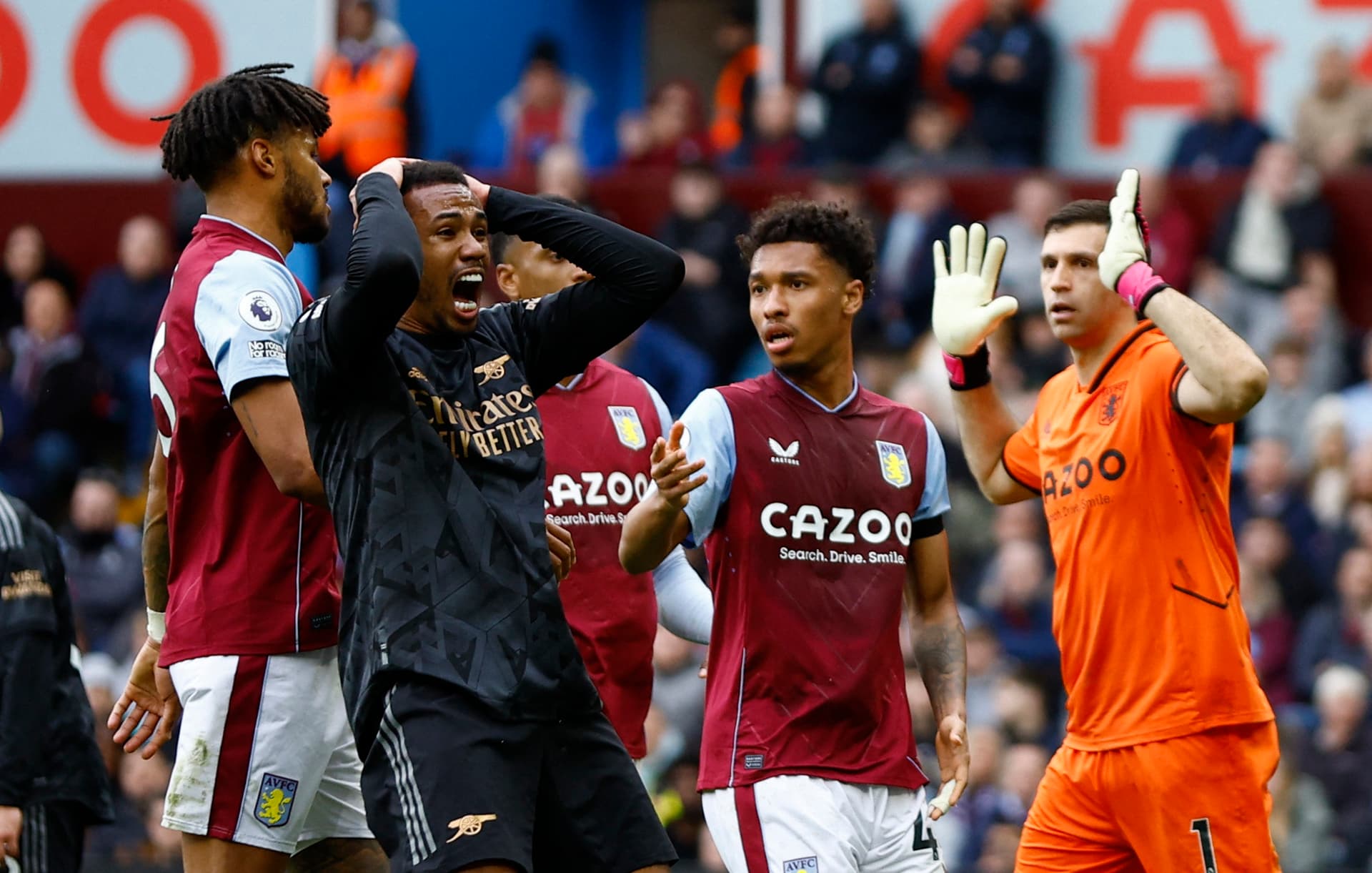
Aston Villa delivered one of the season’s most dramatic moments on December 6, 2025, when Emiliano Buendia scored in the dying seconds to secure a 2-1 victory over Arsenal at Villa Park. The strike not only ended Arsenal’s lengthy unbeaten run but also vaulted Villa into second place in the Premier League, injecting fresh life into a title race that had appeared to be narrowing around the north London side.
The match unfolded as a high tempo, attacking contest, with both teams committing to forward play and searching for decisive moments. Arsenal arrived unbeaten and with expectations of control, but Villa’s intensity and late persistence proved decisive. Buendia’s goal sealed a comeback that will be remembered for its timing as much as for its quality, and it punctuated a fixture that swung from end to end throughout the 90 minutes.
From a performance perspective, Villa’s ability to sustain pressure and capitalize at the last moment reflects growing maturity under their current managership. The capacity to find a matchwinner in stoppage time speaks to squad belief and the tactical trust placed in players to maintain attacking intent even when games reach their most frantic phase. For Arsenal, the defeat is a test of resilience. An unbeaten run carries psychological currency and commercial value in equal measure, and its abrupt end will force internal recalibration about rotation, game management and how to respond in a congested winter calendar.
Industry implications are immediate. The result intensifies broadcast narratives and fan engagement, which in turn drives viewership and streaming demand for coming fixtures. A tightened title race increases the commercial attractiveness of marquee matches, from sponsorship activation to global TV rights leverage, because unpredictability often boosts audience interest. Clubs that can combine depth with tactical flexibility during the busy winter stretch will be best placed to exploit this environment.
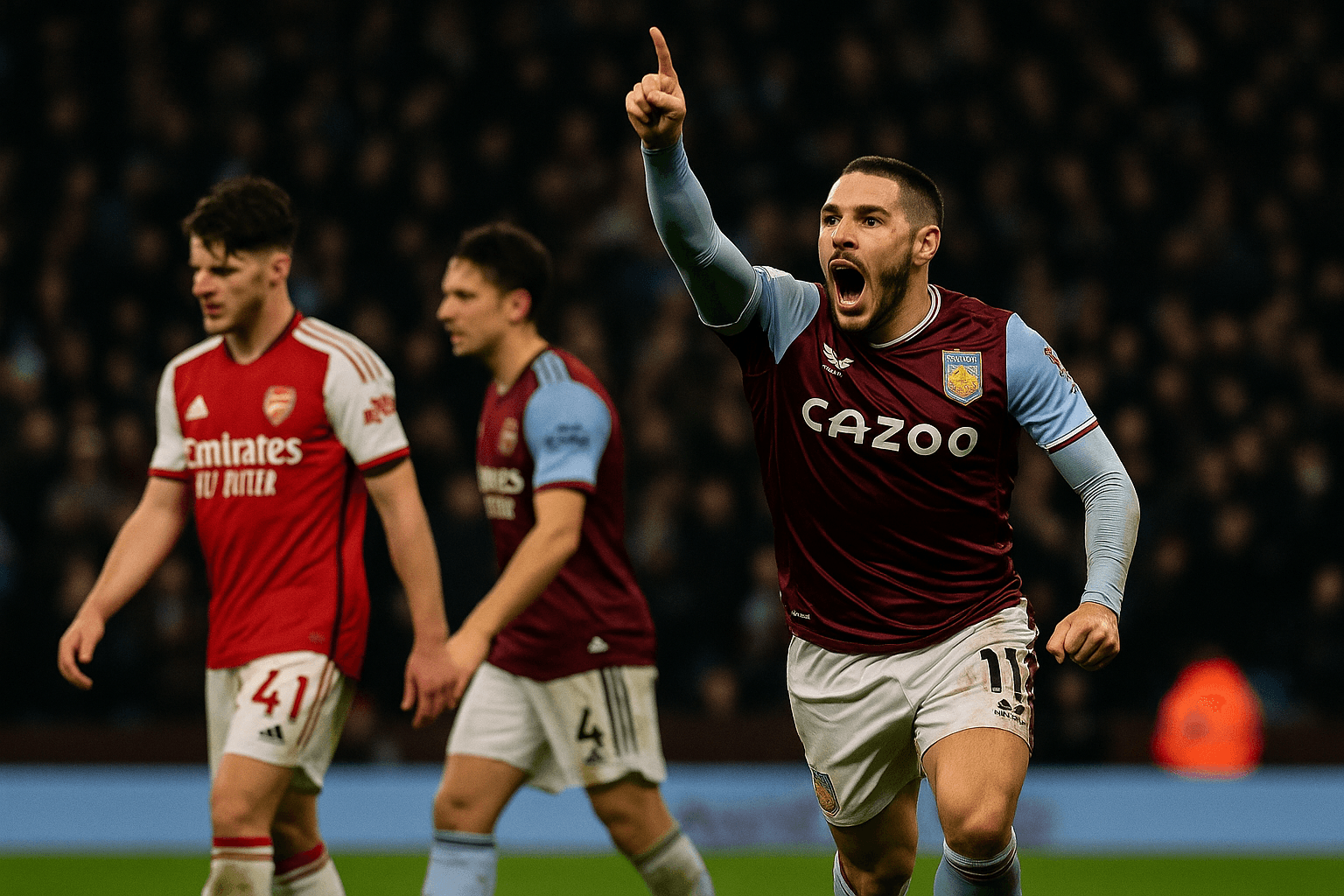
Culturally, the victory is significant for Birmingham and Aston Villa’s supporters. It reinforces local identity and community pride at a moment when civic morale can be buoyed by sporting success. A late winner against the league leader also deepens the emotional resonance of matchday experience, galvanizing fan bases and local economies through heightened attendance and related spending on match days.
Socially, results like this underscore football’s role as a focal point for collective sentiment and conversation. The end of an unbeaten run invites renewed debate about managerial philosophies, player leadership and the pressures of modern elite sport. It also reminds stakeholders that success in the Premier League is rarely linear, and that the calendar’s demands reward squads built for endurance as much as for flashpoints.
With a busy winter schedule looming, both clubs now face consequential choices about rotation, recovery and prioritization. Villa carry momentum and a surge of belief, while Arsenal must harness this setback into a tactical and psychological reset. The title race, already compelling, now has fresh texture, and the coming weeks will reveal which side can best navigate the sprint that follows this dramatic encounter.