Bulgaria’s largest parliamentary bloc returns mandate, snap election likely
Bulgaria’s biggest parliamentary grouping returned the presidential mandate, saying it lacks support to form a government and urging prompt early elections.

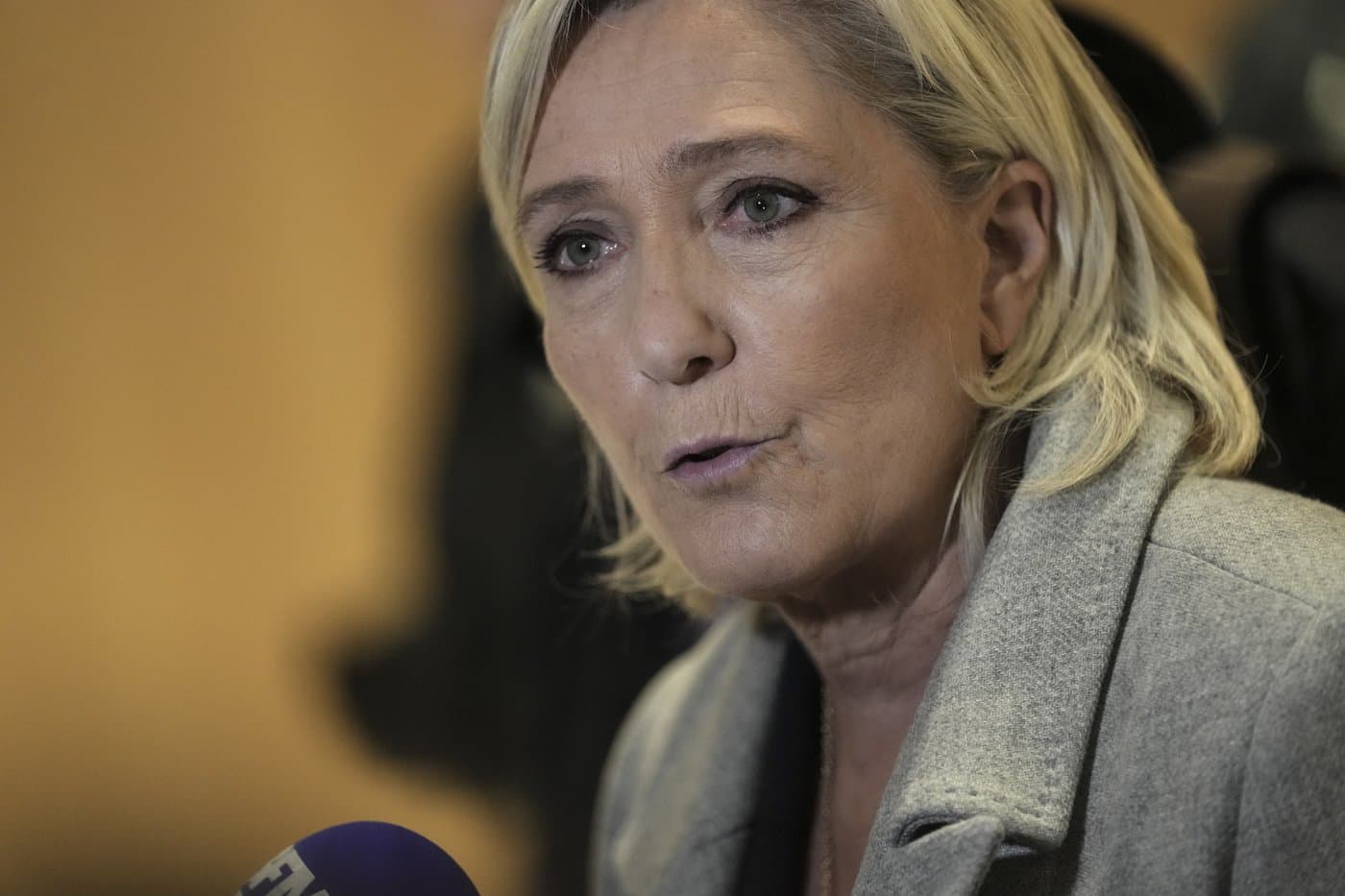
Bulgaria’s largest parliamentary formation formally returned the president’s exploratory mandate on Jan. 12, signalling a renewed slide toward snap elections after efforts to form a stable government collapsed. Prime ministerial nominee Rosen Zhelyazkov (also spelled Rossen Zhelyazkov) met President Rumen Radev in Sofia and immediately handed back the mandate, saying he did not have the parliamentary backing required to assemble a majority and proposing a rapid ballot to restore legitimacy. Zhelyazkov said many parties believed new legitimacy could only come through early parliamentary elections and that elections "should be scheduled as soon as possible." He suggested March 29 as a suitable election date.
Zhelyazkov has led the outgoing coalition since it was sworn in on Jan. 16, 2025 following snap elections in October 2024. That government resigned in December 2025 after weeks of street protests over alleged state corruption and disputes within the ruling majority about economic policy, including a proposed budget that would have raised certain taxes. The cabinet has continued in a caretaker capacity since its resignation, but without a clear mandate to pursue contested reforms or a new fiscal plan.
The centre-right grouping, commonly identified as GERB-UDF and often reported alongside its SDS partner, controls 66 seats in Bulgaria’s 240-seat National Assembly. That delegation is far short of a working majority, and Zhelyazkov acknowledged the arithmetic constraints when he returned the mandate at a brief ceremony open to reporters.
Constitutional procedure now sets a clear sequence. The president must offer an exploratory mandate next to the second-largest parliamentary formation; if that attempt fails, a third mandate may be given to another group or to a nominee selected by the president. If all three efforts fail to produce a viable government, the constitution requires the president to appoint a caretaker cabinet and call new parliamentary elections within two months.
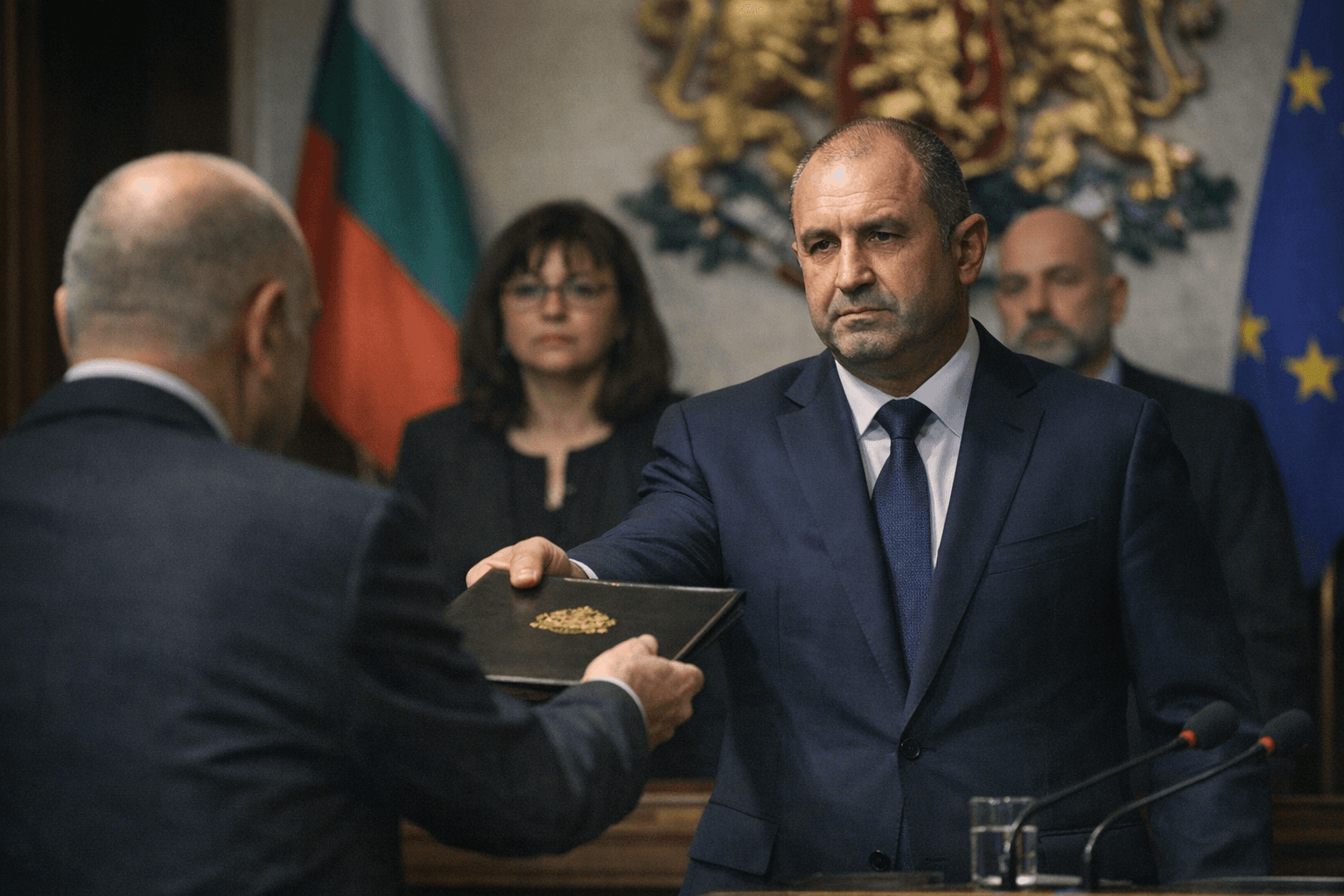
President Radev is expected to offer the second mandate in the coming days to the coalition often identified as the reformist We Continue the Change–Democratic Bulgaria (PP-DB). That formation has repeatedly signalled it is unlikely to accept the mandate, preferring to return to the electorate rather than attempt to construct a fractured governing majority. If the second offer is declined, the president will move to the third step in the constitutional sequence and, if necessary, to dissolution and fresh elections.
The political impasse underscores a wider pattern of instability in Bulgaria. The October 2024 vote and the subsequent rapid changes of government are variously tallied as the seventh parliamentary election in three and a half years or the eighth in roughly four years, depending on counting conventions. Recurrent elections and short-lived cabinets have heightened public frustration, fuelled repeated protests, and left contentious economic and anti-corruption reforms unresolved.
A new campaign and likely ballot would add another test of civic engagement and party strategy ahead of a potential March vote. For now, without an unexpected coalition breakthrough, the institutional path points toward a caretaker administration and another national election within the constitutional two-month window, prolonging an extended period of political uncertainty.
Know something we missed? Have a correction or additional information?
Submit a Tip