High court to decide if states can ban transgender female athletes
Supreme Court hears two cases determining whether states may exclude transgender girls from female school and college teams, with wide national and international implications.
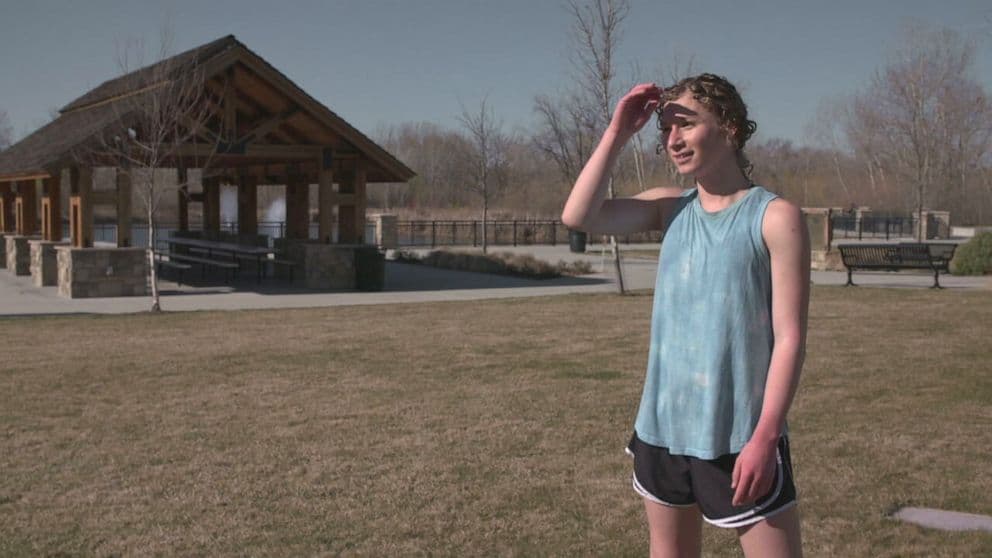
The U.S. Supreme Court is hearing two consolidated challenges that will decide whether states may bar transgender girls and women from competing on girls’ and women’s school and college teams. The cases, Little v. Hecox from Idaho and West Virginia v. B.P.J., were argued before the Court’s conservative 6-3 majority and could set a uniform national rule after conflicting lower-court decisions.
Both plaintiffs obtained injunctions from federal courts allowing them to compete while litigation proceeds. Lindsay Hecox, a college student from Idaho, challenges that state’s law excluding transgender women from women’s teams. Becky Pepper-Jackson, a 15-year-old high school athlete in West Virginia who has taken puberty blockers and estrogen and competes in cross-country, shot put and discus, brought the other challenge. Lower courts and an appeals court enjoined both statutes, finding they likely discriminated on the basis of sex under Title IX and the Equal Protection Clause.
Justices focused on whether the laws constitute unlawful discrimination “on the basis of sex” under Title IX of the 1972 Education Amendments and whether they run afoul of the Equal Protection Clause by singling out transgender people or by making sex-based classifications that states argue are necessary to preserve female sports opportunities. The arguments probed the states’ fairness and competitive-balance rationales, with conservative justices pressing for doctrinal and pragmatic limits on federal intervention in state athletic policy.
Justice Ketanji Brown Jackson pressed Idaho’s solicitor general about how the law is classified and applied, testing the state’s legal framing. Justice Sonia Sotomayor asked a Department of Justice attorney for concrete "numbers" on how many athletes would be affected by the Idaho law, indicating concern about the scope and evidentiary record underlying these statutes. The Court scheduled a full day of argument, with proceedings beginning at 10 a.m. and the West Virginia case argued in a later hour.
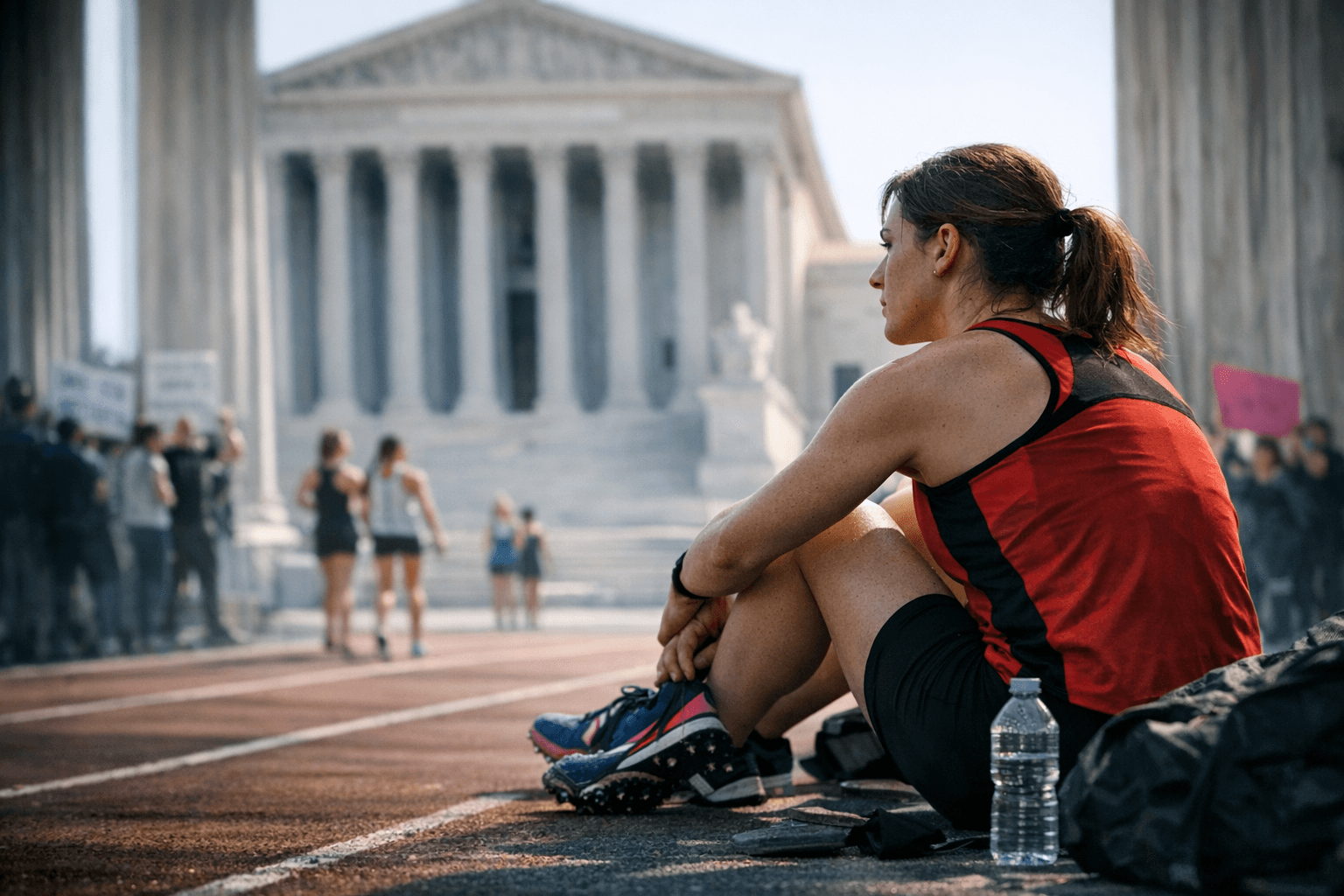
The cases arrive against a complex judicial backdrop. Several federal trial and appeals courts have found the bans likely violate Title IX and the Constitution, and in Idaho a Trump-appointed district judge, David Nye, concluded the record lacked evidence that excluding transgender women advanced sex-equality goals or increased opportunities for cisgender women; an appeals court later affirmed his injunction. Counsel for both sides also referenced the Supreme Court’s recent transgender-related precedents, including the 2020 Bostock decision that found Title VII protects employees from discrimination for being transgender and a later decision upholding certain restrictions on gender-affirming medical care for minors.
A ruling upholding the bans would validate state efforts modeled on the Idaho and West Virginia statutes and could influence similar measures in roughly two dozen states. Observers say such a decision could ripple beyond athletics to other contested areas of public life, including access to facilities and participation policies in organized sport. Estimates from the Williams Institute at UCLA Law indicate approximately 122,000 transgender American teens participate in high school sports, a statistic justices and advocates cited in arguing about the breadth of any ruling.
Internationally, the Court’s decision will reverberate in debates over sports governance, human rights law and nondiscrimination norms as democracies and sporting bodies seek consistent standards. A decision is expected months after today’s argument and will determine whether states may continue to segregate teams based on birth sex or whether federal nondiscrimination protections will bar such exclusions.
Know something we missed? Have a correction or additional information?
Submit a Tip

%2Fcloudfront-us-east-2.images.arcpublishing.com%2Freuters%2FFO5IRKNIEBMJVLATNK7USK4IRQ.jpg&w=1920&q=75)