Nadhim Zahawi defects to Nigel Farage's Reform UK, deepening Tory crisis
Former cabinet minister Nadhim Zahawi joined Nigel Farage’s Reform UK, saying Britain is "broken" and needs Farage as prime minister. The defection intensifies pressure on the Conservatives ahead of May votes.
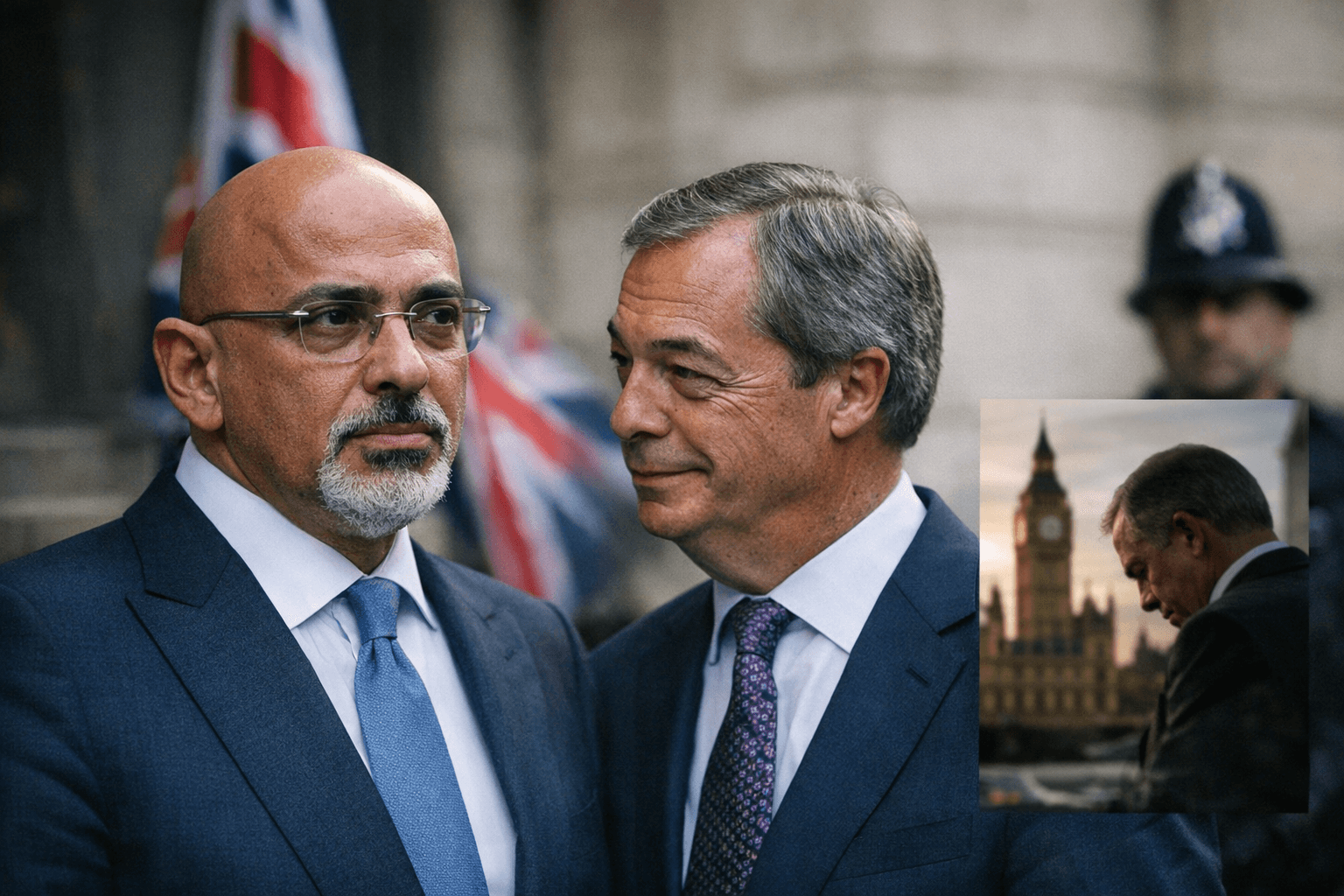
Nadhim Zahawi, a former Conservative cabinet minister who once ran the government’s COVID vaccine programme, announced at a London event that he was leaving the Conservative Party to join Nigel Farage’s Reform UK, saying Britain had reached a "dark and dangerous" moment and was "broken." Zahawi told supporters that it "really does need Nigel Farage as prime minister" and that he was "inspired by Reform," adding that "the team that will deliver for this nation will be the team that Nigel will put together."
The defection, revealed on Jan. 12, makes Zahawi the highest-profile Tory to jump to Reform since Nigel Farage rebranded his political operation as a mainstream challenger to the Conservatives. Farage framed the move as evidence of the party’s growing appeal and warned that the outcome of elections in Scotland, Wales and English councils in May would be pivotal, suggesting Conservatives risk "ceasing to be a national party."
Zahawi’s arrival brings political heft but also fresh controversy. He served in senior roles across successive Conservative governments, including a brief, turbulent stint as finance minister in 2022 and a central role overseeing the vaccine rollout during the pandemic. His career has been punctuated by an ethics scandal: he was sacked as Conservative Party chairman in January 2023 after an independent probe concluded he had breached ministerial rules by not being open about an ongoing tax investigation into his affairs.
Critics seized on that record. Reform’s critics said the party was becoming a refuge for discredited former Conservatives; the Conservative Party accused Reform of "fast becoming the party of has-been politicians looking for their next gravy train." A Liberal Democrat lawmaker who now holds Zahawi’s former Stratford-on-Avon seat called Reform a "retirement home for disgraced former Conservative ministers."
Immediate dispute swirled over Zahawi’s motives. Conservative sources and the party chairman said Zahawi’s decision followed unsuccessful approaches seeking a peerage, and that he had pressed his case to people "very close to Kemi" Badenoch and been rejected. Zahawi and a source close to him denied he had "begged for a peerage," saying instead that he had been asked for advice by Badenoch and concluded Reform was the only party he felt could "save Britain."
The defection underscores both opportunity and limits for Reform UK. The party holds five of 650 House of Commons seats, but Farage and his allies argue high-profile recruits can broaden the party’s credibility beyond its current parliamentary foothold. Farage said some sitting Conservative MPs had enquired about joining Reform, though he indicated not all were being accepted.
Zahawi’s personal history adds a further layer of irony and public interest. Born in Iraq, his family fled to the United Kingdom during the rise of Saddam Hussein, and he has previously been outspoken in British public life. Media coverage has also recalled his past rebukes of Farage: in 2015 Zahawi accused Farage of making "offensive and racist" remarks and said he would be "frightened to live in a country run by" him.
With national elections not due until 2029, the immediate battlefield is local and devolved contests this May. Zahawi’s move will intensify debate over the Conservatives’ electoral future and over whether Reform can translate high-profile defections into durable political gains.
Sources:
Know something we missed? Have a correction or additional information?
Submit a Tip

%2Fcloudfront-us-east-2.images.arcpublishing.com%2Freuters%2FFO5IRKNIEBMJVLATNK7USK4IRQ.jpg&w=1920&q=75)