CADDXFPV unveils modular digital FPV lineup and RC cars
CADDXFPV unveiled a modular digital FPV lineup with Ascent systems, split-type goggles and FPV RC cars. That expands cross-platform choices and competition for racers and clubs.

CADDXFPV rolled out a wide new FPV product lineup at CES, introducing the Ascent digital ecosystem, a receiver/decoder aimed at broadcasters, the industry’s first split-type goggles that swap systems, and live demonstrations of FPV RC cars using the Ascent hardware. The move pushes more options into digital FPV and promises new flexibility for racers, club pilots and race organizers.
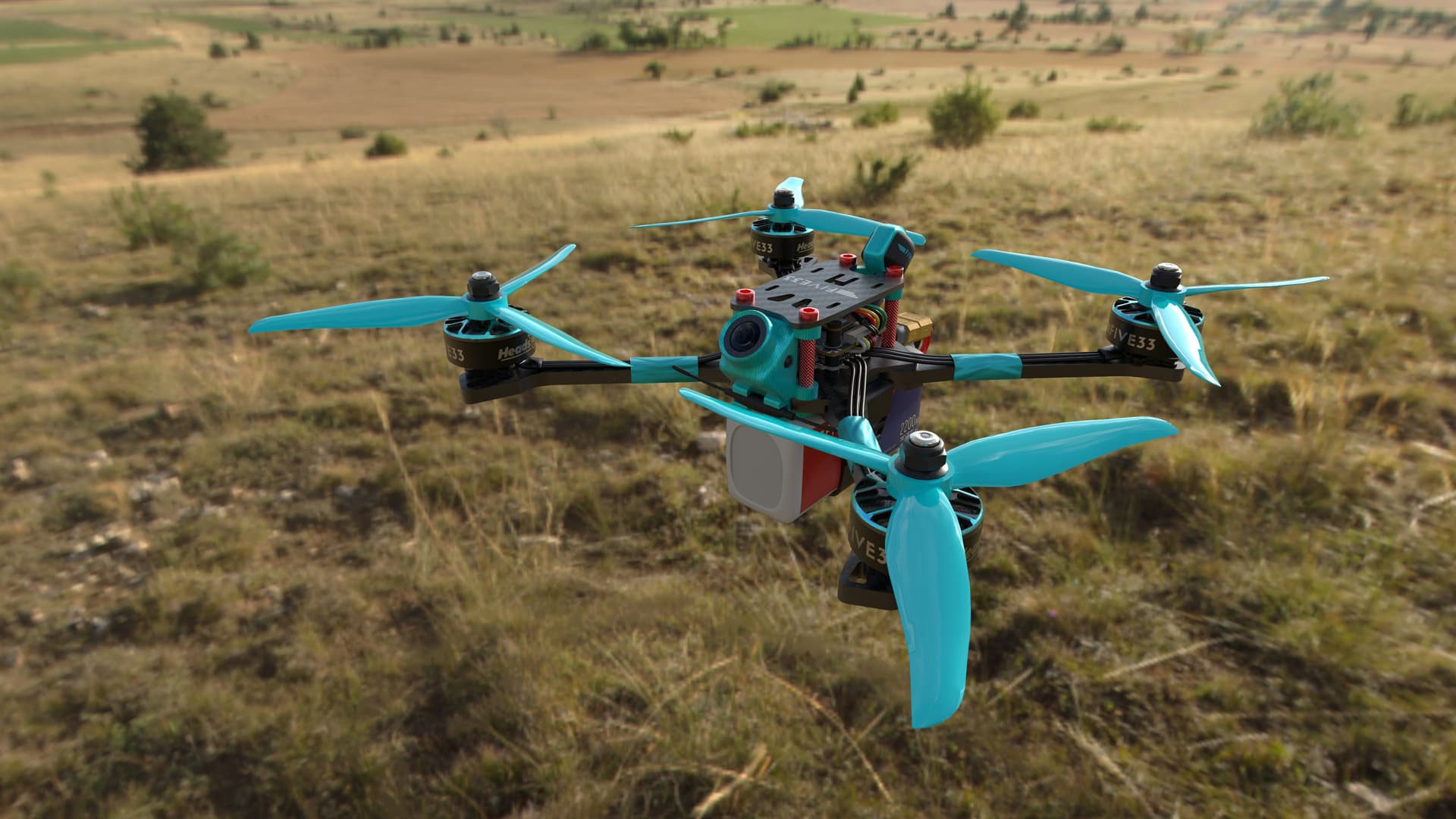
At the center of the launch is Ascent, a cost-focused digital FPV platform positioned to make long-range digital HD transmission more accessible. CADDXFPV highlighted Ascent GT Pro and Ascent Lite+ variants tuned for range and low weight respectively, with claimed latencies around 35 ms for certain SKUs and ranges of several kilometres depending on configuration. That latency figure and the emphasis on lighter builds matters for pilots balancing responsiveness with endurance on long-range or freestyle rigs.
For broadcast and training use, the Ascent VRX arrived as a receiver/decoder offering 1080p at 60 fps decoding, 720p at 120 fps output, HDMI connectivity and approximately 35 ms latency. The VRX is aimed at race directors, livestream crews and coaching setups that need high-resolution feeds and standard video outputs for monitors and switchers.
The split-type goggles are the headline hardware twist: a modular design that lets pilots physically switch between Avatar and Ascent digital systems. That cross-platform approach targets ecosystem lock-in by letting pilots upgrade or mix systems without replacing an entire headset. For clubs running mixed fleets or event tech crews juggling different transmitters, modular goggles could cut replacement costs and simplify pit operations.
CES booth demos also showed FPV RC cars built around Ascent Lite RS receivers and a stabilized gimbal, a clear signal CADDXFPV wants to broaden FPV beyond airframes and into ground-based racing and practice platforms. Hands-on demos and technical displays were available at the company’s booth during the show.
CADDXFPV planned a phased global rollout and platform updates through the first half of 2026, so expect staggered availability across regions and SKUs. For pilots, the practical takeaway is to weigh latency claims against real-world setups, test receiver compatibility with existing gear, and consider the modular goggles if you fly across ecosystems or manage a club fleet. Race organizers should evaluate the VRX for pit feeds and livestreaming, and try the RC car demos as an off-season training tool that builds piloting skills without risking airframes.
The takeaway? New digital choices mean more bargaining power and upgrade paths for pilots and clubs. Our two cents? Plan a hands-on test with your crew, measure latency in your typical flight envelope, and don’t underestimate ground rigs for practice and outreach.
Sources:
Know something we missed? Have a correction or additional information?
Submit a Tip