CDC scales back childhood vaccine recommendations; local leaders alarmed
Federal guidance reduced routine childhood vaccine recommendations, prompting Orange County health officials to warn of confusion and risks for families.
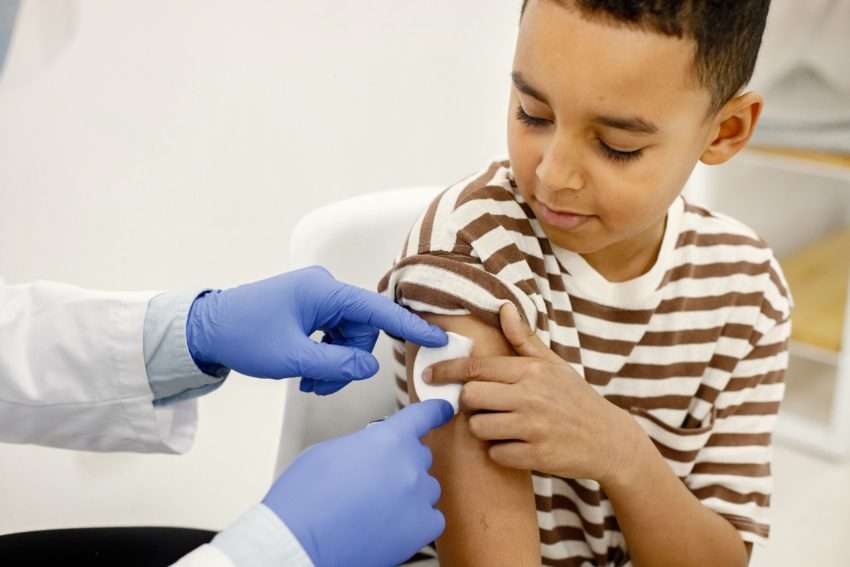
Federal health officials revised childhood vaccine guidance on Jan. 7, reducing the number of vaccines routinely recommended for infants and children and moving several — including RSV, influenza, hepatitis A and hepatitis B — into a shared decision-making category between parents and clinicians. Local public health leaders said the change could create confusion and weaken decades of disease prevention efforts that protect Orange County families.
Public health directors and state officials reacted quickly. Ulster County Public Health Director Dr. Eve Walter warned the federal changes could unintentionally suggest vaccines are unsafe and undermine public confidence. New York State Health Commissioner Dr. James McDonald said New York’s childhood vaccine requirements remain unchanged and that the federal government did not present new science or new safety data with the guidance.
Local officials expressed particular concern about timing. The guidance arrived during a period of high respiratory virus circulation in the region, with RSV, influenza and COVID still circulating widely. Health leaders warned that shifting recommendations while those viruses are active could compound public confusion and reduce immunization coverage among infants and young children, potentially increasing the risk of preventable outbreaks.
Public-health officials emphasized that established childhood vaccines have strong records of safety and effectiveness and urged parents to seek information from trusted local sources. They recommended parents "hang tight" while state leaders and local health departments evaluate the federal guidance and consider any necessary policy responses. Families with questions were told to contact local health departments or their pediatrician to discuss vaccine schedules and individual risks.
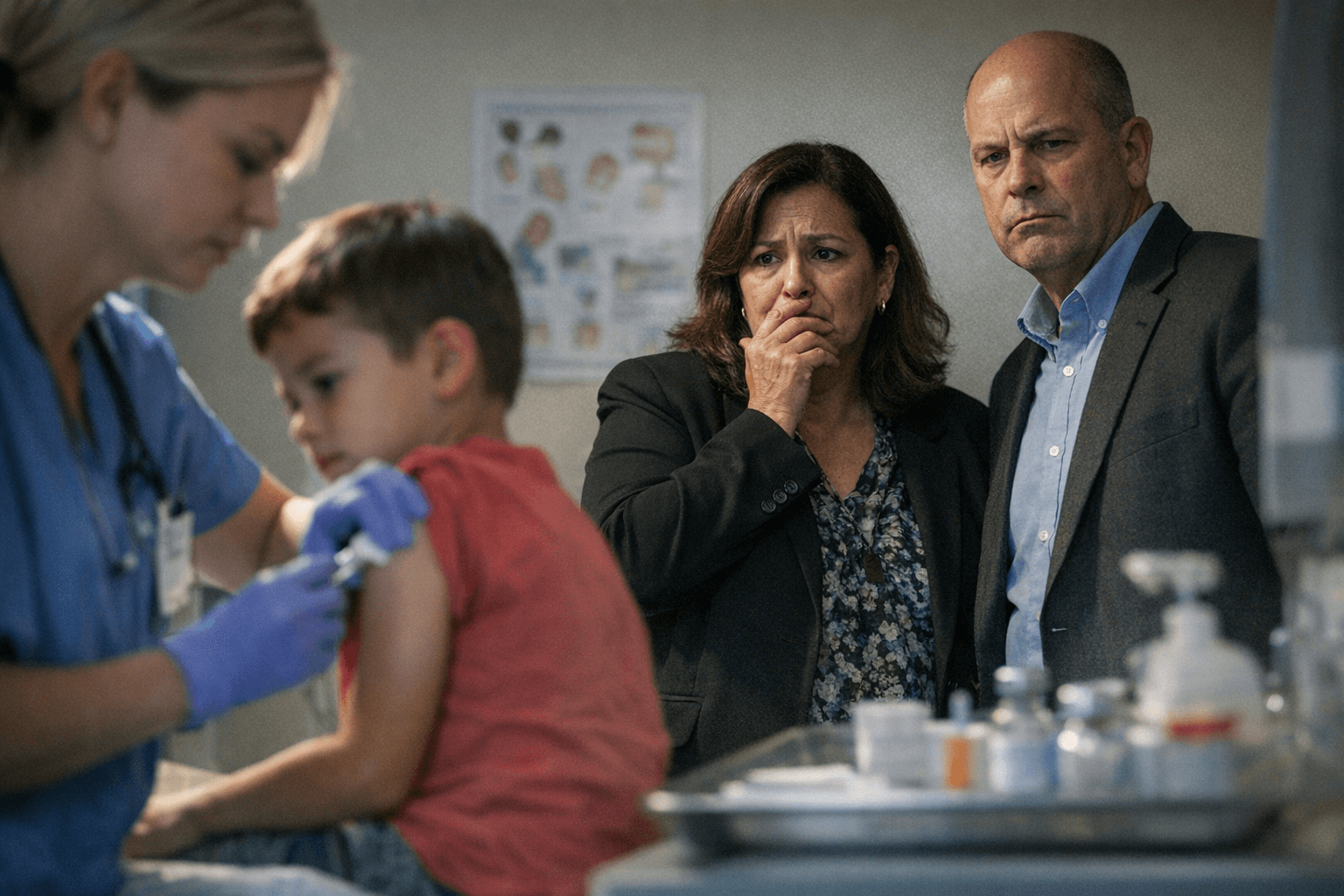
Officials also highlighted equity concerns. Any move away from clear, routine recommendations could disproportionately affect low-income and medically underserved families who rely on routine pediatric visits and community clinics for vaccinations. Those populations often face barriers to care that make missed or delayed immunizations harder to recover, increasing vulnerability to outbreaks of vaccine-preventable diseases.
For Orange County residents, the near-term impact is practical: continue routine well-child visits and use local public health channels for up-to-date guidance. County clinics and pediatric offices remain the primary touchpoints for immunizations and personalized advice about infant and childhood vaccines.
Our two cents? If you have a scheduled pediatric appointment, keep it. Call your pediatrician or the county health department with questions, and don’t skip established vaccines while officials sort through the new guidance — protecting young children now helps avoid bigger headaches for families and clinics down the road.
Sources:
Know something we missed? Have a correction or additional information?
Submit a Tip