Record flu surge strains Orange County hospitals and clinics
Flu hospitalizations jumped sharply in early January, increasing pressure on local hospitals and emergency departments. Residents should consider vaccination and stay home when sick.
New York is in the midst of its most intense flu season on record, with hospitalizations rising 24% in a single week as flu activity remains extremely high across the Hudson Valley and Catskills. State health officials reported more than 71,000 lab-confirmed flu cases in one week, and local clinicians say the season has not yet peaked.
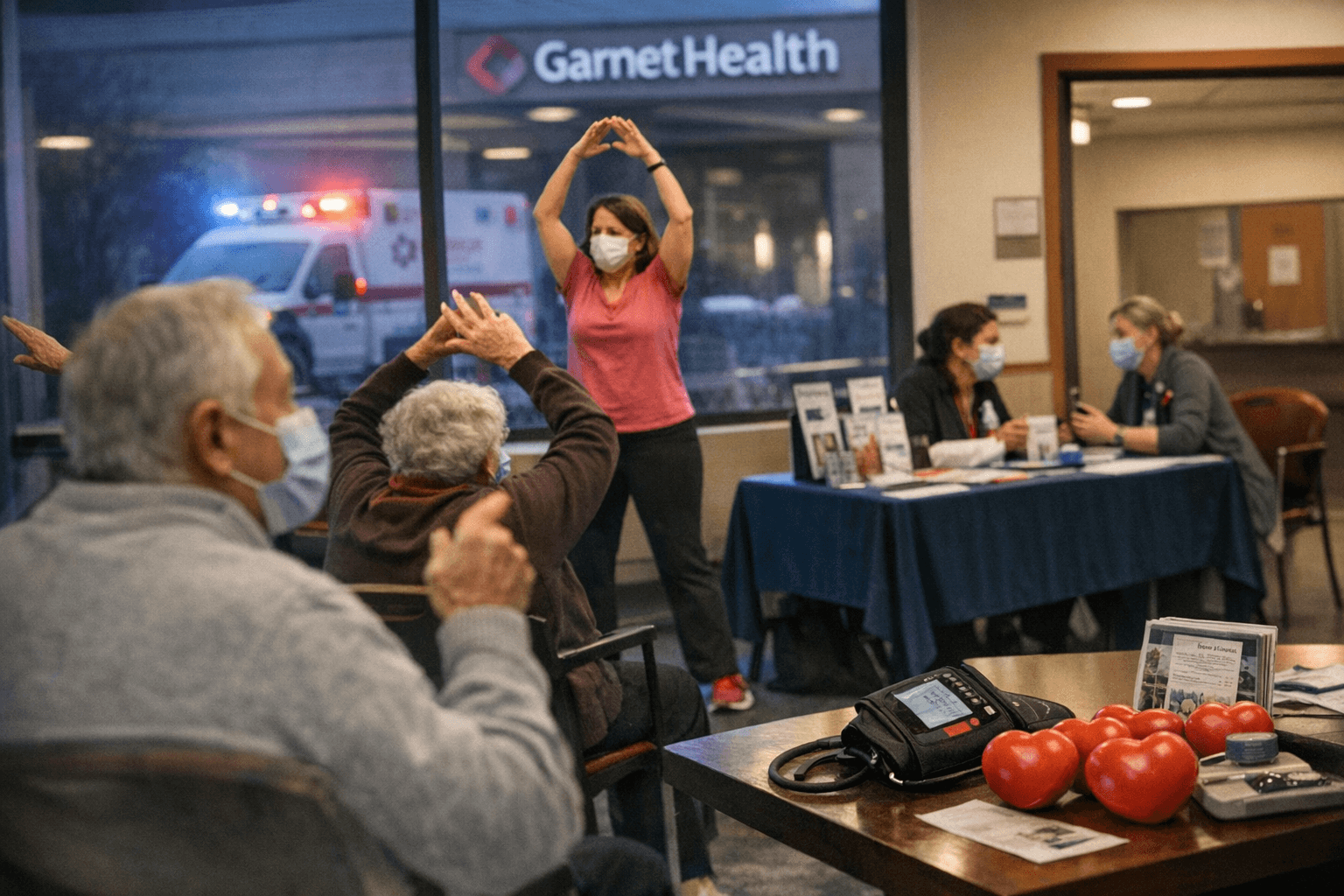
“Flu activity currently in Orange and Sullivan counties is extremely high,” said Dr. Jodi Galaydick, an epidemiologist at Garnet Health. “Just last week the state reported over 71,000 lab-confirmed flu cases in a single week, and this has been the highest number ever recorded in one week in New York.”
Multiple factors are driving the surge: holiday travel and gatherings, the co-circulation of multiple respiratory viruses including influenza, COVID-19 and RSV, and lower-than-typical vaccination rates. Clinicians in Orange County report that the flu strains themselves have not shown greater clinical severity than in a typical season, but the sheer volume of patients is increasing hospital admissions and crowding emergency departments.
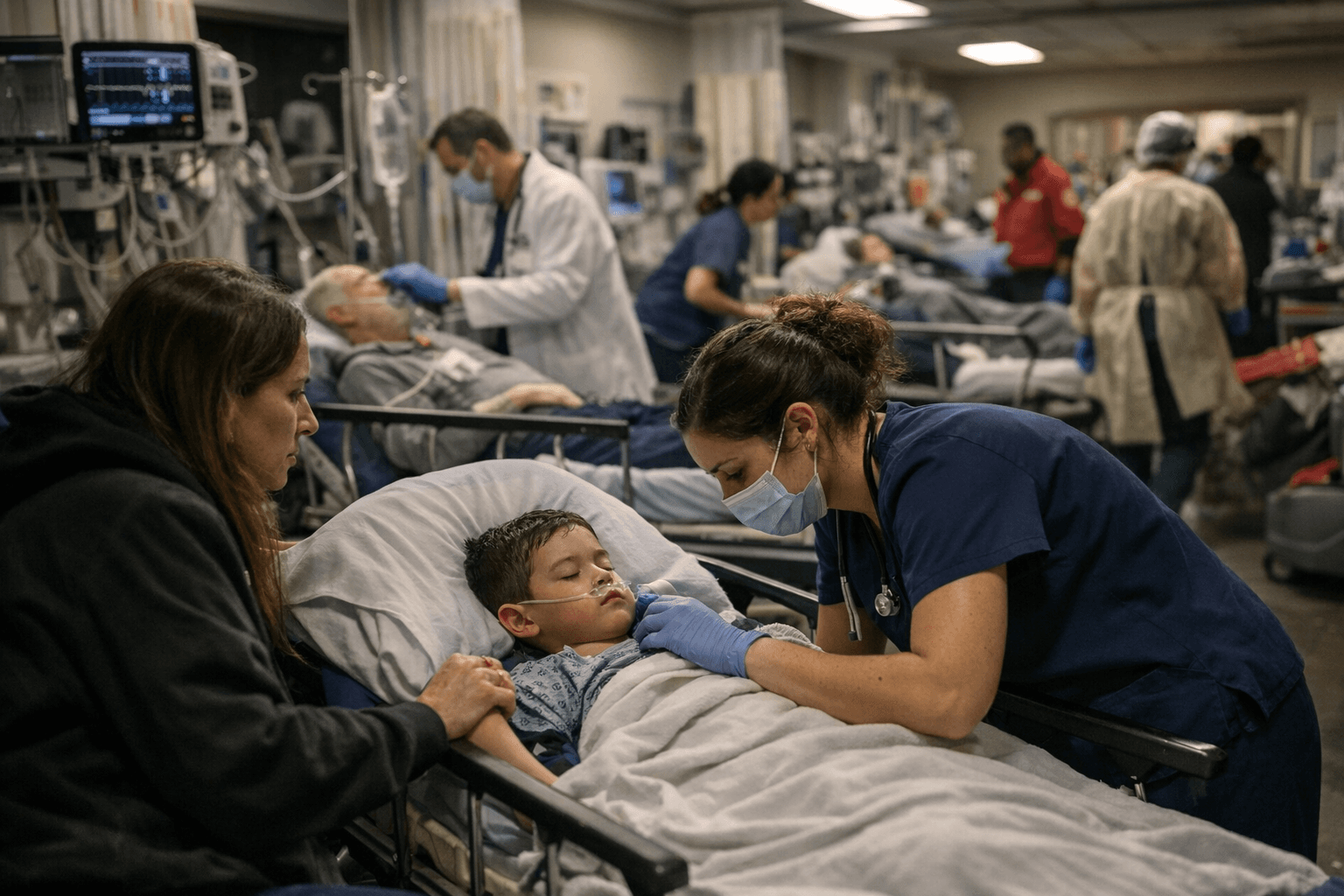
The spike is straining staffing and bed capacity at local hospitals, and public health leaders warn that the pressure ripples into other services. Elective procedures can be delayed, outpatient appointments get pushed back, and community health clinics face heavier caseloads. For families and essential workers in Orange County, this can mean longer waits for urgent care and missed work when juggling sick children or sick leave limitations.
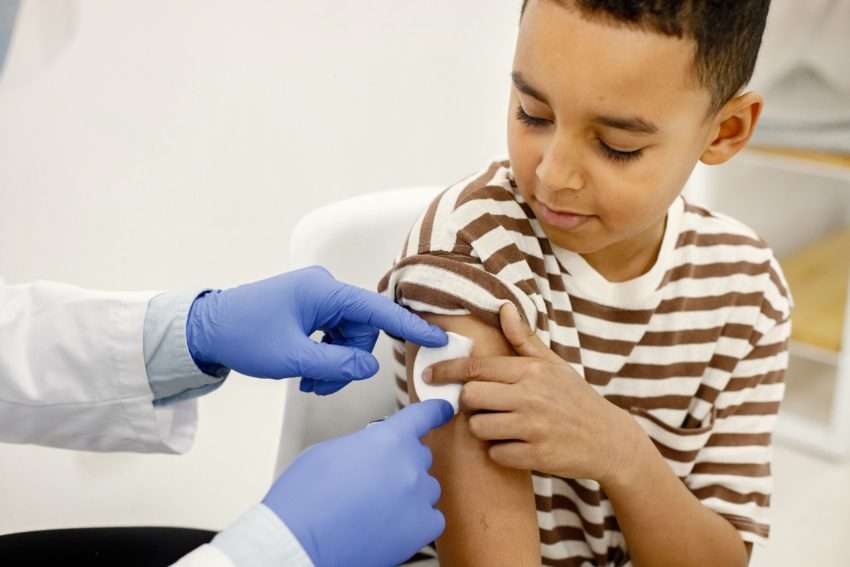
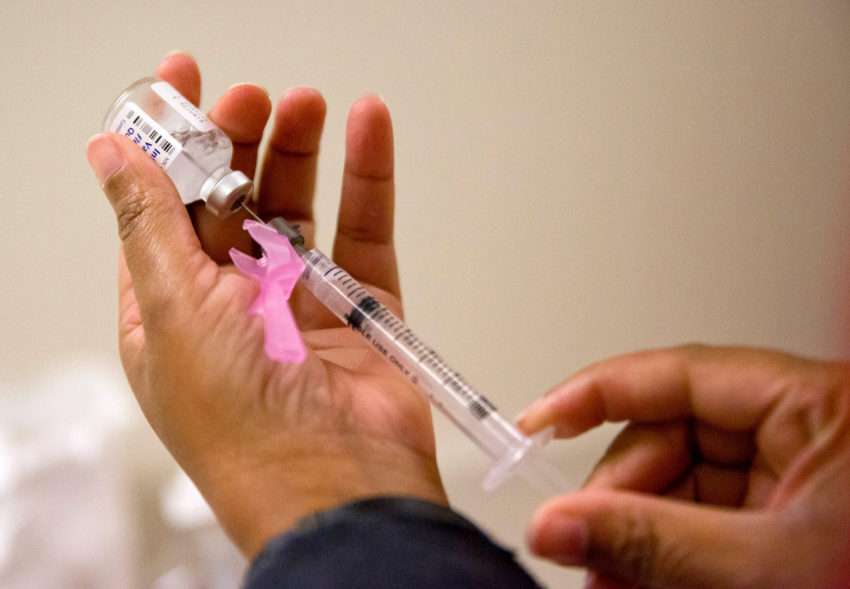
People at higher risk of severe complications include adults 65 and older, young children especially those under 5, pregnant people, and anyone with chronic medical conditions. Vaccination remains the primary defense; clinicians continue to recommend flu shots because protection builds about two weeks after vaccination and can reduce the likelihood of severe illness and hospitalization. Those who are sick are urged to stay home and seek medical care if they experience warning signs such as difficulty breathing, chest pain, confusion, blue lips or face, or signs of dehydration.
The current surge also highlights longstanding access and equity issues. Lower vaccination rates and barriers to primary care in some neighborhoods leave certain populations more vulnerable. Community-level responses that expand vaccine clinics, mobile outreach, and culturally tailored messaging could reduce disparities and ease the burden on hospitals.
Garnet Health is a local resource for information on testing and care, and is a financial supporter of Radio Catskill.
The takeaway? If you haven’t been vaccinated, getting a flu shot now still helps; if you’re sick, stay home, rest and monitor for danger signs. Check in on older neighbors and families with young children, and plan for potential delays at clinics so you can seek care early if symptoms worsen. Our two cents? Treat this like a community project - protect yourself and the folks around you so Orange County can weather the surge together.
Sources:
Know something we missed? Have a correction or additional information?
Submit a Tip