China bars Nvidia H200 chips at customs after U.S. export shift
Chinese customs told agents Nvidia's H200 accelerators "are not permitted," halting imports amid U.S. export changes and renewed security and diplomatic tensions.
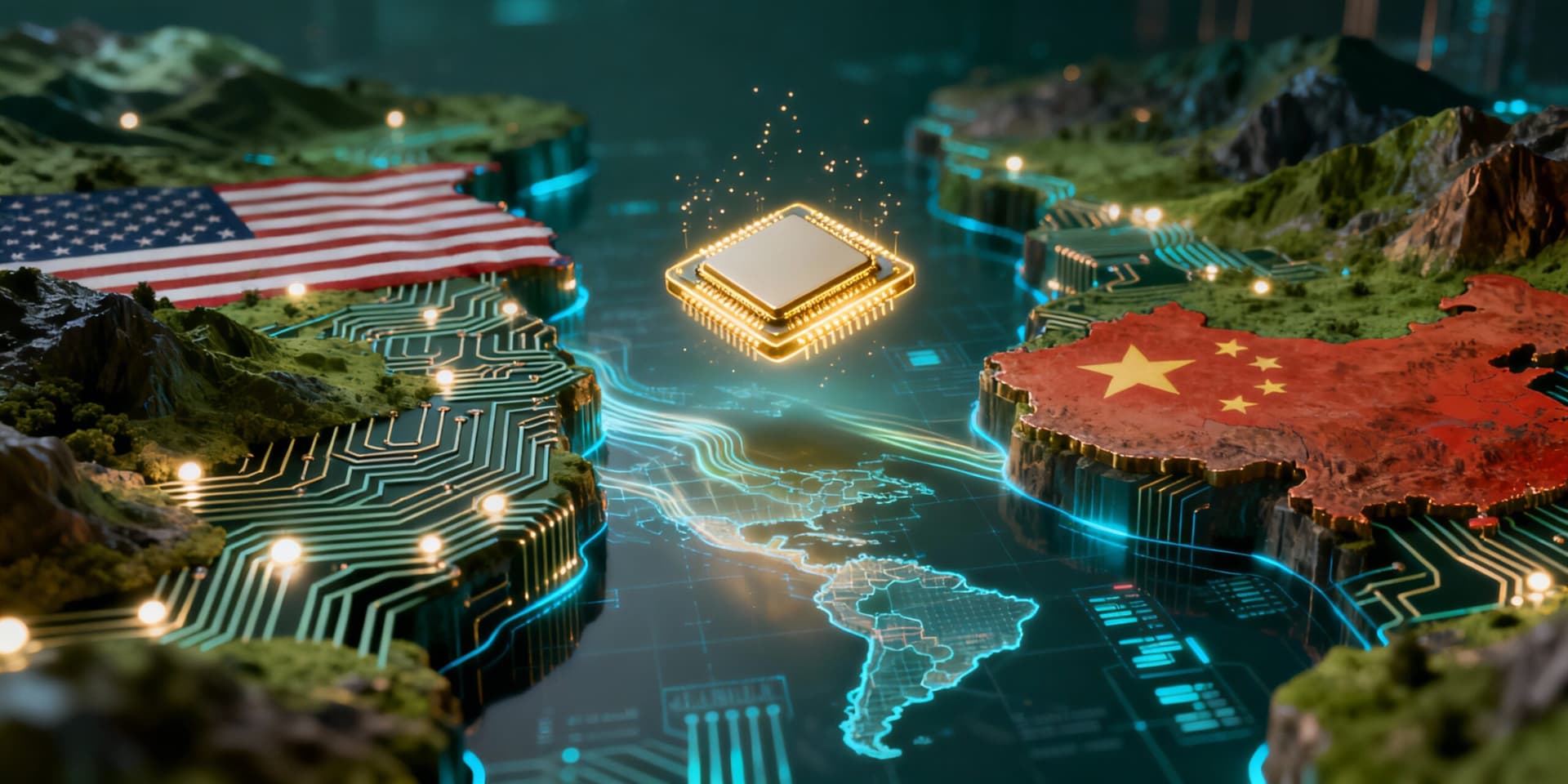
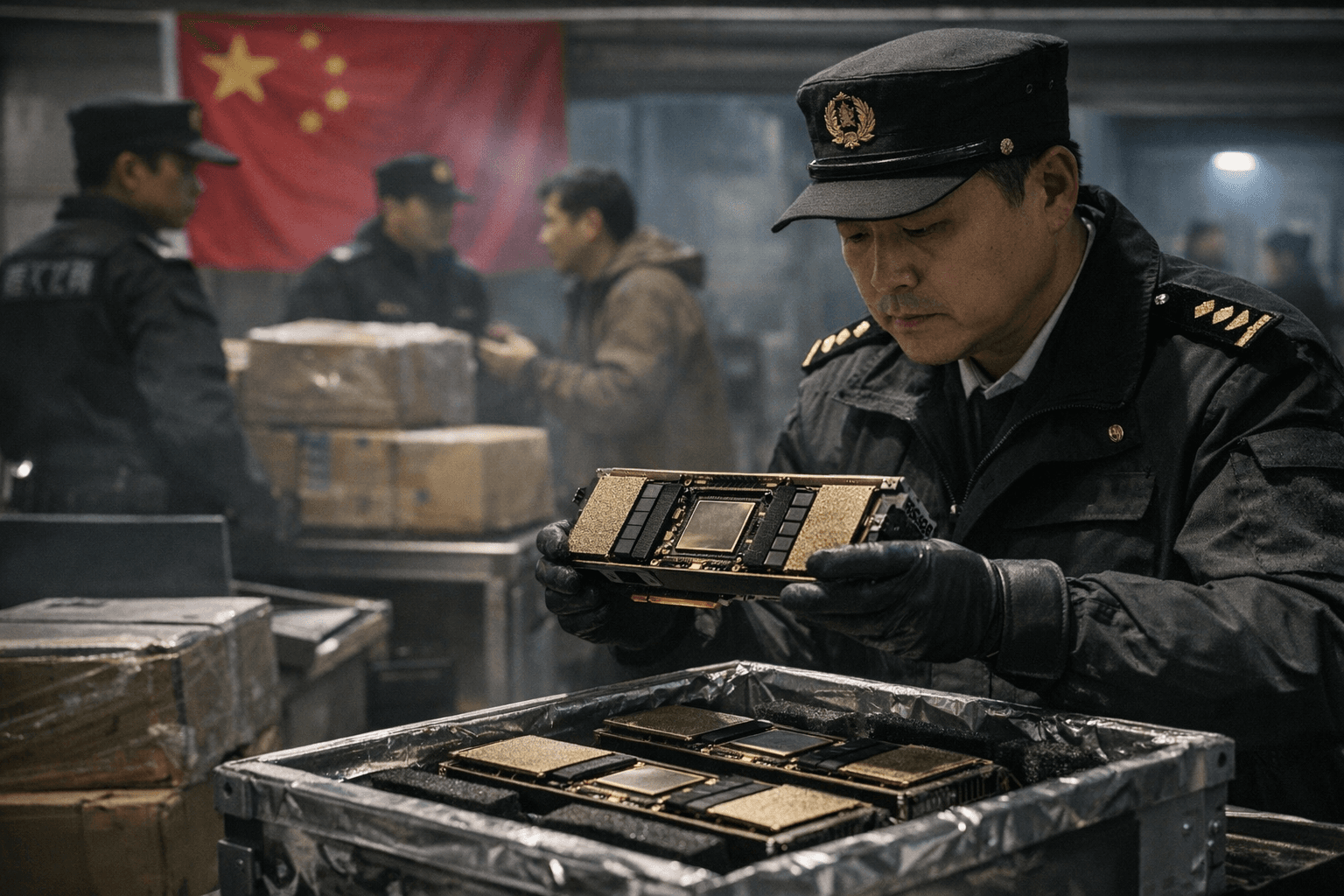
Chinese customs authorities instructed agents that Nvidia’s H200 artificial-intelligence accelerators "are not permitted" to enter the country, a move sources said amounts to an effective ban "for now" and has prompted Beijing to urge domestic companies to pause purchases while officials weigh conditions for approval.
The directive followed a change in U.S. export policy that for the first time allowed some shipments of H200 chips to China under strict conditions, including requirements that buyers demonstrate "sufficient security procedures" and certify the chips will not be used for military purposes. Chinese officials summoned leading technology firms to high-level meetings and explicitly advised them not to buy H200 processors unless absolutely necessary, while discussing possible exemptions for research and development and universities. Use of the chips for military applications is explicitly prohibited by Beijing’s guidance.
Beijing’s move reflects the friction at the intersection of commerce, security and diplomacy. U.S. export rules continue to bar Nvidia’s most powerful Blackwell processors from sale to Chinese firms, and U.S. lawmakers have been sharply divided over loosening controls. Some legislators warned that easing restrictions could risk national security and enable smuggling or diversion, while others supported a vetted approach to commercial sales. U.S. enforcement agencies have underscored those concerns: the Justice Department recently announced it had dismantled a smuggling network that exported or attempted to export at least $160 million worth of export-controlled Nvidia H100 and H200 chips to China.
Chinese officials are treating the new customs guidance as a lever in wider negotiations. Analysts said Beijing may be using approval authority to extract concessions from Washington, or at least to buy time to assess industrial and security implications. Domestic semiconductor firms remain eager for access to advanced accelerators until local alternatives mature, increasing pressure on regulators to carve out research exceptions without undermining strategic controls.
Nvidia welcomed the relaxation of U.S. restrictions but denied media reports that it had demanded full advance payments from Chinese buyers. The company told reporters it "does not require upfront payment for H200 chips" and "would never require customers to pay for products they do not receive." Chinese officials, meanwhile, have emphasized a different framing. A spokesman for the Chinese embassy, Liu Pengyu, said Beijing "has consistently opposed the 'politicisation and weaponisation of tech and trade issues'" and opposes "blocking and restricting China, which disrupts the stability of industrial and supply chains."
The customs instruction was issued without a formal public announcement that it represents a permanent policy shift, and officials signaled that targeted approvals could still be granted in special circumstances. For now, the practical effect is to freeze routine commercial imports of H200 accelerators, complicating plans at Chinese cloud providers, research labs and chip-hungry AI startups that had anticipated broader access under the revised U.S. rules.
The dispute underscores how advanced semiconductors have become tools of statecraft. As negotiators in both capitals weigh the economic benefits of trade against national security risks, companies and universities find themselves caught between compliance requirements, enforcement scrutiny and the strategic imperatives of national industrial policy.
Sources:
Know something we missed? Have a correction or additional information?
Submit a Tip