China Institutes Formal Drone Airworthiness Rules, Reshaping Low Altitude Economy
China passed revisions to its Civil Aviation Law on December 27, creating the first formal statutory framework for unmanned aircraft and mandating airworthiness certification for many drone activities. The change will affect manufacturers, operators, event organizers, and logistics networks, and takes effect on July 1, 2026, with important compliance steps for the drone racing community.
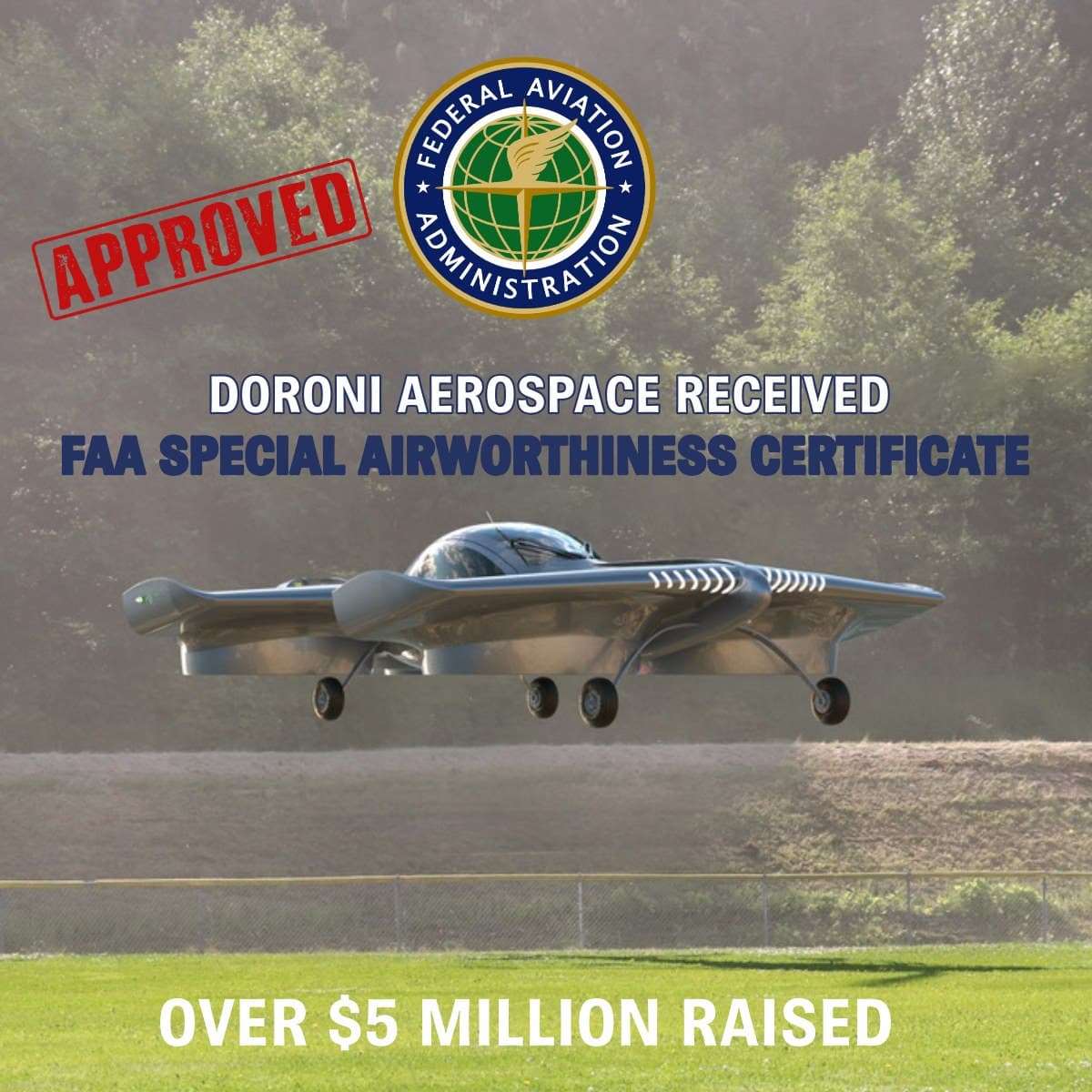
The Standing Committee of the National People's Congress approved revisions to the Civil Aviation Law on December 27 that, for the first time, put airworthiness certification at the center of drone regulation. The law requires entities involved in design, production, import, maintenance and operation of drones to obtain airworthiness certification, and requires manufacturers to assign a unique product identification code to each unit. The new rules take effect on July 1, 2026.
The move plugs a long noted regulatory gap as China seeks to expand its low altitude economy into a major commercial sector. Authorities forecast that the low altitude economy will grow to more than 2 trillion yuan by 2030 from 1.5 trillion yuan in 2025. Drone logistics already contribute to that growth, with 2.7 million packages delivered by drones in 2024. Companies that have been active in aerial logistics include JD.com and Meituan, while manufacturers such as DJI and EHang will face tighter compliance obligations.
China introduced interim regulations in 2024 that required civil unmanned aircraft to be registered under real names and set a tiered approach to certification. Micro, light, and small civil unmanned aircraft were excluded from airworthiness certification, while medium and large aircraft were required to apply to the Civil Aviation Administration of China for certification. The new law formalizes those distinctions and adds the product identification requirement that will improve traceability and accountability for manufactured units.

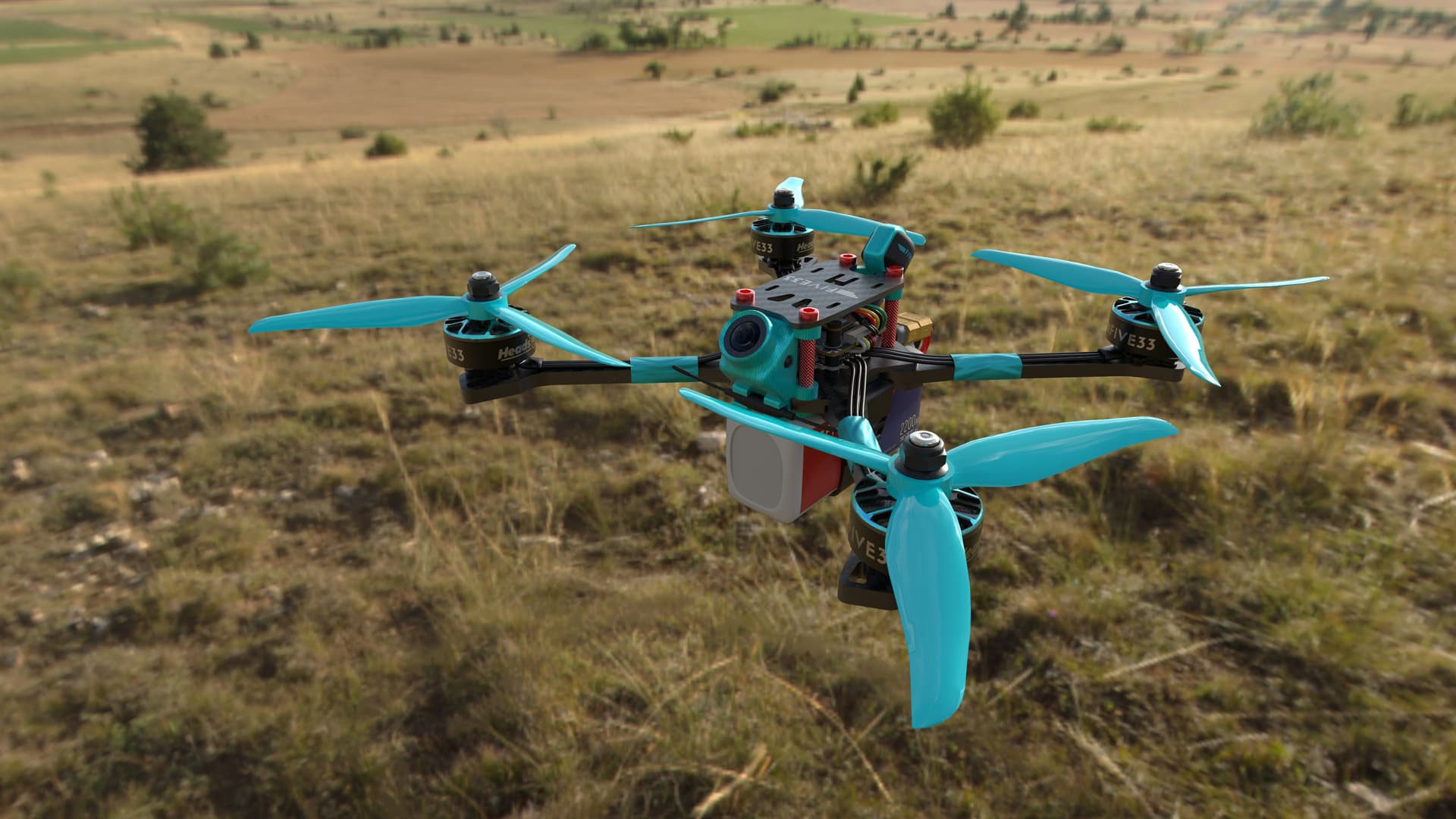
Practical implications for the drone racing community are immediate. Racing aircraft that meet micro, light, or small classifications may remain exempt from full airworthiness certification, but real name registration and clearer traceability will be mandatory. Event organizers, pilots, mechanics, and rental operators must verify registration and product identification codes, confirm maintenance records, and ensure compliance when hosting cross city or international events. Larger platforms used for media capture, tethered operations, or passenger capable systems will require formal certification before operation.
The regulatory tightening responds to documented incidents where illegal drone operations caused flight delays and penalties. For racers and local clubs, the change means updating safety checks, maintaining searchable documentation for each airframe, and budgeting for potential certification or administrative costs. For manufacturers and logistics operators, the law creates a clearer compliance pathway while raising the stakes on quality control and product tracking as China pursues rapid expansion of its low altitude economy.
Sources:
Know something we missed? Have a correction or additional information?
Submit a Tip