City says DoorDash and Uber Eats design changes cost workers $554 million
New York City finds UI changes on DoorDash and Uber Eats cut delivery workers' tips by roughly $554 million, prompting new tipping-protection rules and enforcement.
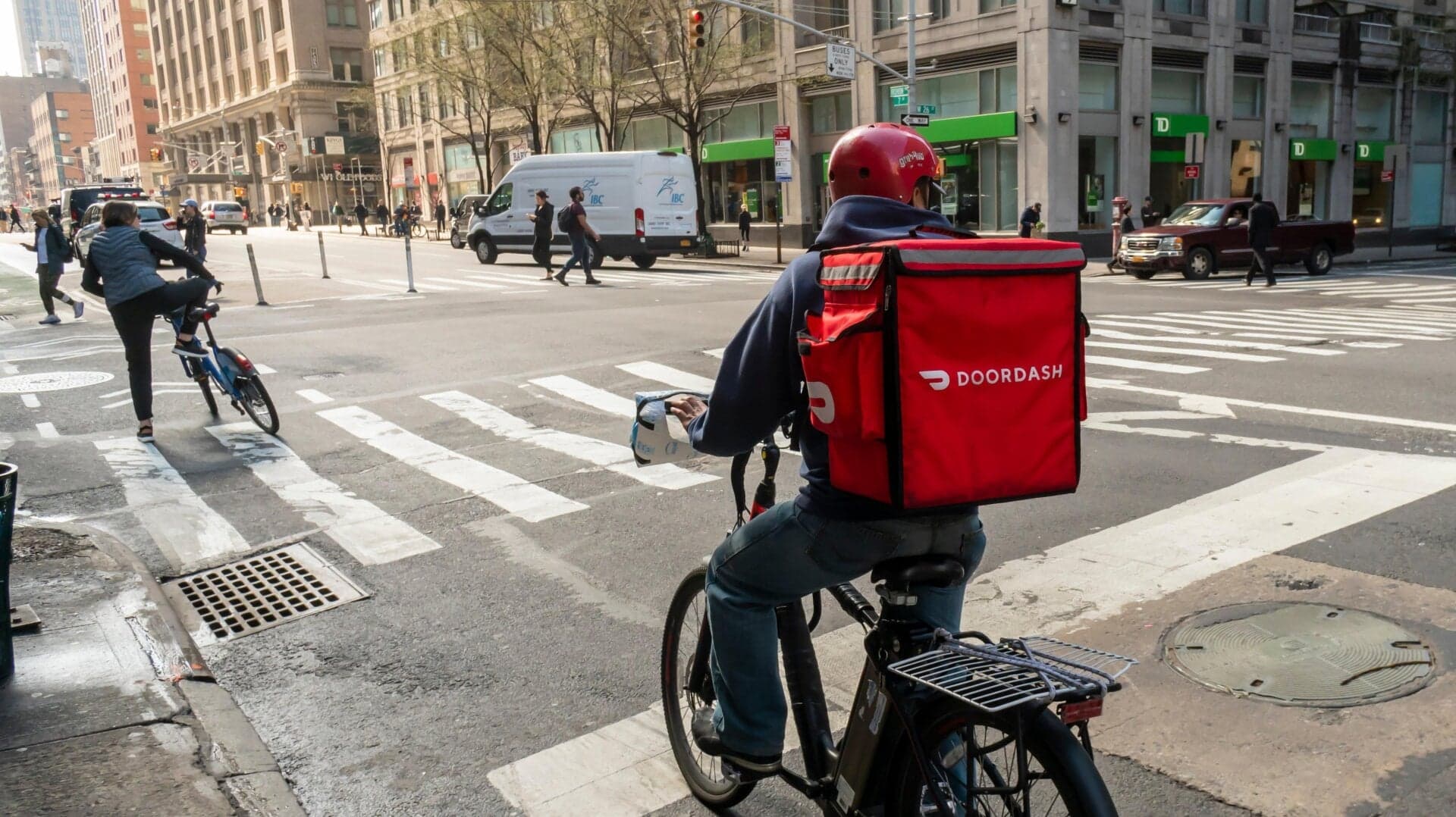
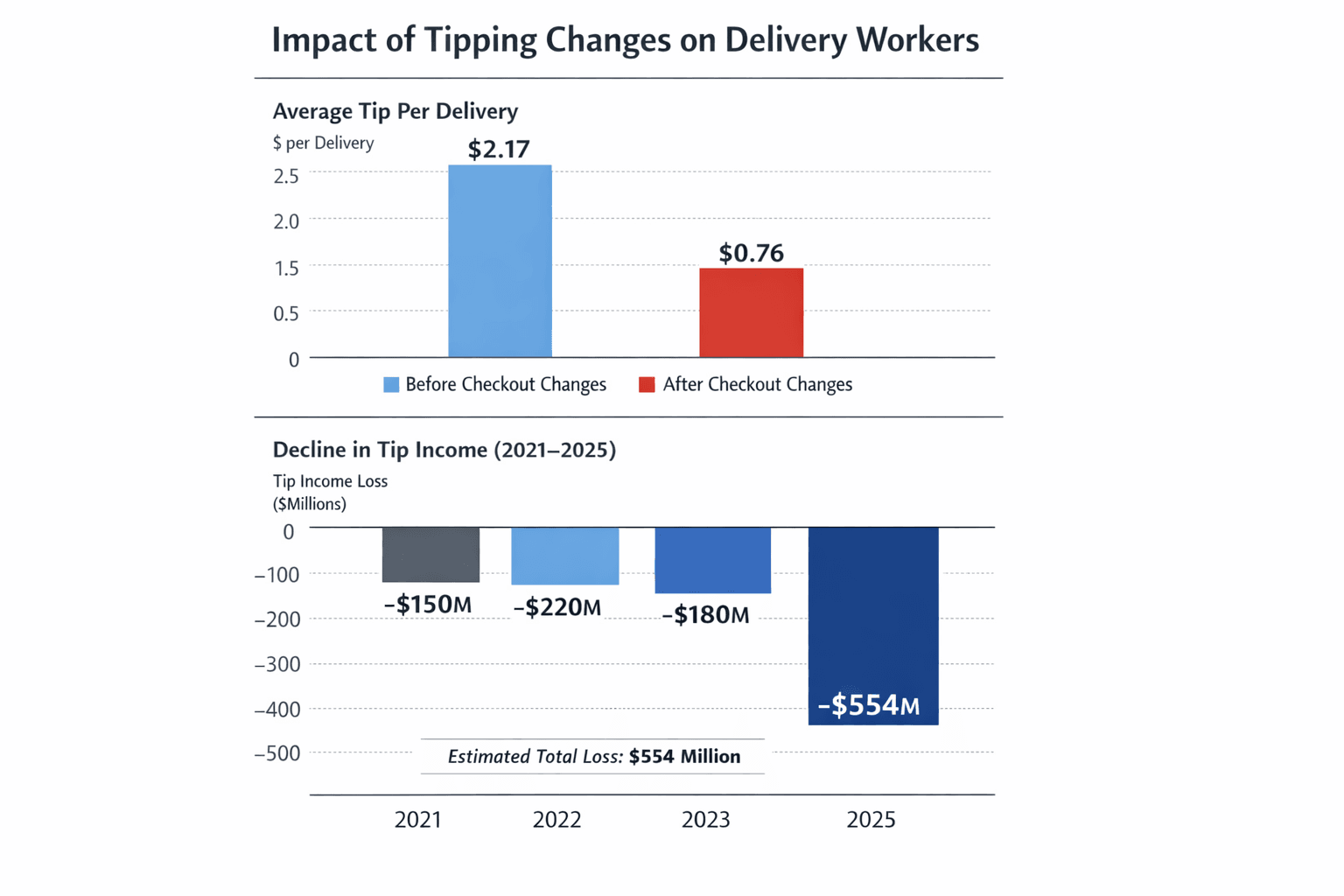
A New York City regulatory report concluded that user interface changes by DoorDash and Uber Eats have driven a sharp decline in tips to delivery workers, costing those couriers roughly $554 million since the platforms moved tipping prompts until after checkout. The Department of Consumer and Worker Protection released the analysis last week and said the shift in checkout flow immediately reduced tipping rates and continued to depress tip income through 2025.
DCWP analysts calculated average tips per delivery on the two altered platforms fell to $0.76, compared with $2.17 per delivery on rival restaurant delivery apps that continued to present tipping options at checkout. Aggregating that gap across deliveries in New York City, the department estimated a per-worker loss of about $5,800 annually. The agency described the changes as deliberate design moves that made it harder for customers to tip and framed the decline as a response to the city’s Minimum Pay Rate for delivery workers, which took effect in December 2023.
At the same time, DCWP said total pay to delivery workers has increased by $1.2 billion since enforcement of the Minimum Pay Rate began. The department’s report argues the pay increase and the platforms’ interface changes are related: apps raised base pay to comply with the new standard while simultaneously altering tipping flows in ways that shifted income from tips into platform-set pay. DCWP officials said they will treat the reduced tip income as a policy and enforcement concern.
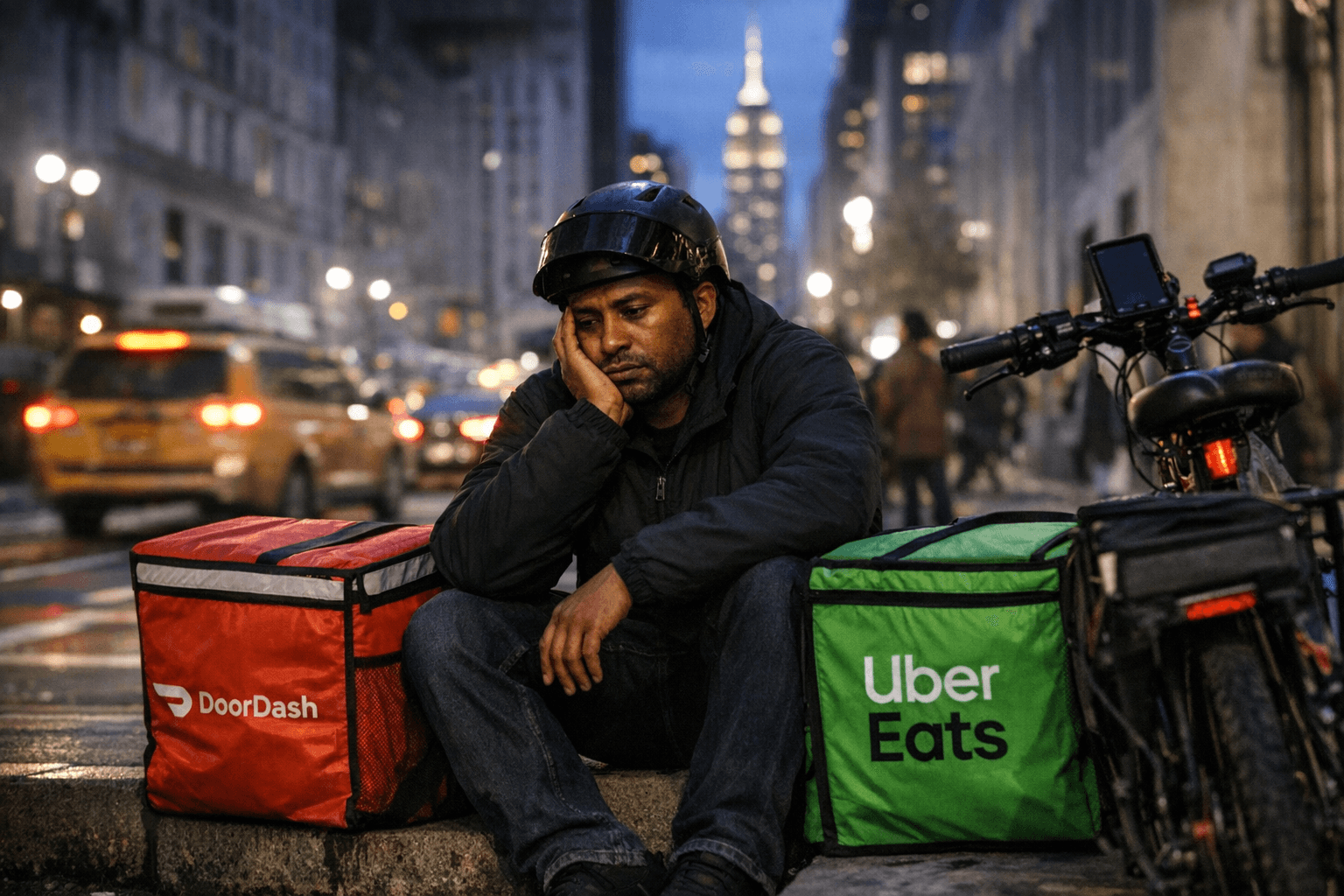
DoorDash defended its design choice in an in-app message to customers, saying, "In response to regulations in New York City, you will now only be able to add a tip for your Dasher after they have been assigned." Uber has mounted a similar defense, arguing that app changes responded to regulatory requirements and that driver earnings remain strong. Neither company has accepted the department’s characterization that the changes amount to manipulative "design tricks."
The report was published under Commissioner Samuel Levine and fits within a broader municipal push under Mayor Zohran Mamdani’s administration to tighten rules on large platforms and restore worker protections. DCWP said it will pursue a package of tipping-protection measures, including requirements that city consumers see user-friendly tipping options during checkout, a selectable 10 percent tip choice, and a custom-tip field. Some department materials and press accounts said those requirements would take effect later this month; other DCWP documents describe implementation in 2026. The department signaled active enforcement through public reporting and data analysis.
The findings immediately raised investor and regulatory risk questions for the platforms. Market responses were muted but noticeable: shares of Uber and DoorDash each rallied roughly 1 percent on the afternoon the DCWP findings were widely reported, reflecting investor bets on regulatory outcomes and the companies’ pushback. Analysts monitoring the sector noted that the case underscores broader tensions between mandated base pay and the economics of tipping, with implications for worker income volatility, platform pricing strategies, and municipal regulation.
DCWP’s conclusions rest on before-and-after platform tipping data, and the agency acknowledged that media roundings account for small numerical differences among reports. Still, the combination of a large aggregate tip loss, material per-worker effects, and pending local rules sets up a legal and policy contest over how digital platforms present tipping choices and allocate pay for frontline delivery workers.
Know something we missed? Have a correction or additional information?
Submit a Tip