Clear Guide to Model Train Scale and Gauge for New Builders
This guide explains what "scale" and "gauge" mean, compares common model train scales, and offers practical advice for choosing the right size for your goals and space. Use the quick reference chart and checklist to decide between HO, N, O, and specialty scales, plan a starter system, and expand with modular or mixed-accessory approaches.
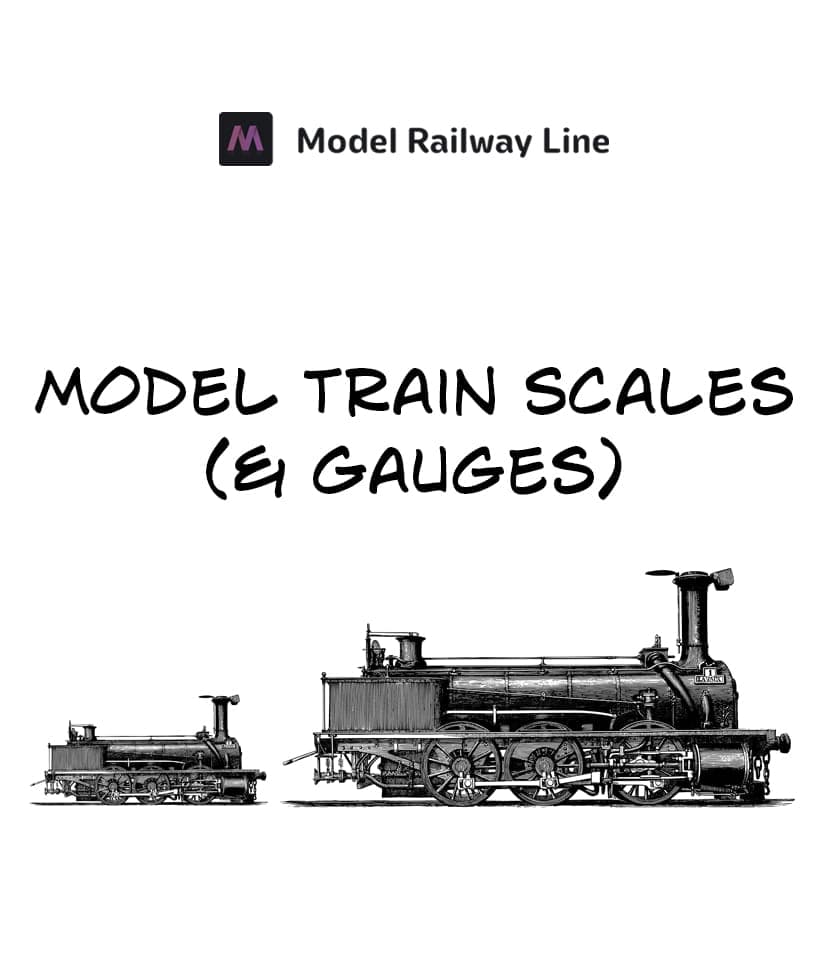
Model train scale and gauge are the two basic decisions that shape every layout. Scale is the ratio that relates a model to its real-world prototype. Gauge is the physical distance between the rails on the track. Matching scale to your goals and space determines how realistic rolling stock and scenery will look, how much running room you need, and whether your layout is best for display models or operational railroading.
Quick reference chart HO, 1:87.1, sweet spot for operations and detail; moderate space requirement; best balance of availability and price. N, 1:160, compact and space-efficient; ideal for tight spaces and long realistic runs in small rooms. O, 1:48 or regional variants, large and showy; excellent for display detail and toy-quality nostalgia; needs significant space. Specialty scales: TT, S, Z, and others fill niches for intermediate footprint, classic sizes, or extreme compactness; pick these for a specific interest or collection.
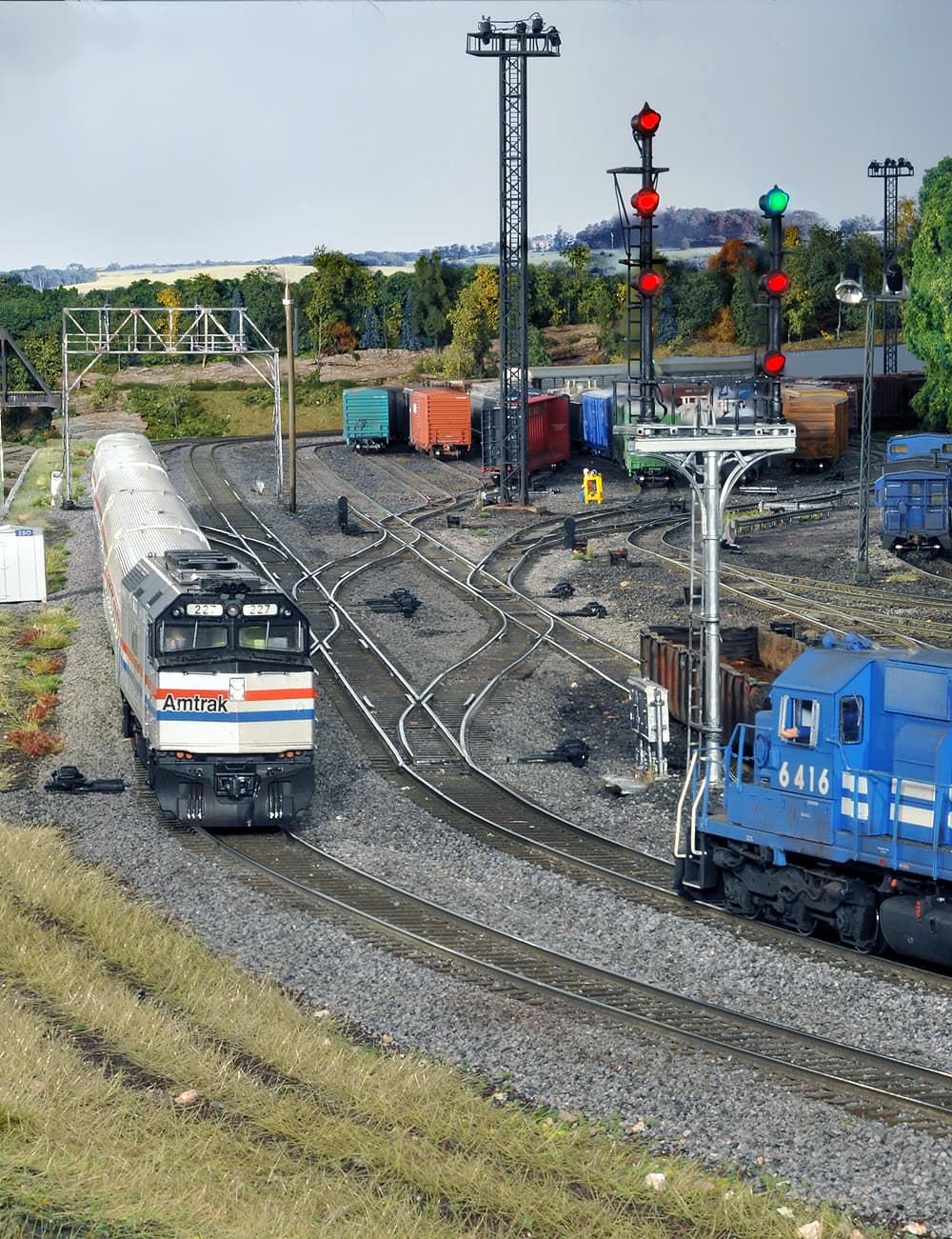
HO remains the most versatile choice for modelers who want realistic operations with abundant parts and aftermarket detail. N is the practical pick when layout space is limited but the goal is long, prototypical runs and dense scenery. O scale and its regional variants favor display-quality models and high visual impact; expect larger curves and wider layouts. Specialty scales such as TT, S, and Z appeal to collectors or those who need a specific compromise between detail and footprint.
Practical value comes from matching the scale to three clear goals: display versus operations, outdoor versus indoor, and realistic detail versus compact layout. For display-focused layouts prioritize larger scales where detail shows at arm’s length. For operational realism prioritize scales with wide parts availability and proven control systems. For outdoor or garden installations consider robust track and weatherproofed equipment, and plan for heavier models and broader trackwork.

Starter system suggestions emphasize simplicity and expandability. Begin with a single loop or small switching layout to learn wiring, couplers, and turnout work. Plan modules to common dimensions so sections can be enlarged or joined with other builders. When mixing accessories, keep visual scale consistent for trackside structures and figures; some accessories such as signage, lighting, and generic scenery elements can be repurposed across scales if scaled or sited carefully.
Decision checklist: measure available space, set primary goal for the layout, prioritize parts availability and local club support, and choose a scale that balances detail with room and budget. This reference helps you weigh HO versus N or explore TT, S, Z, and O depending on display needs and operational ambitions.
Sources:
Know something we missed? Have a correction or additional information?
Submit a Tip