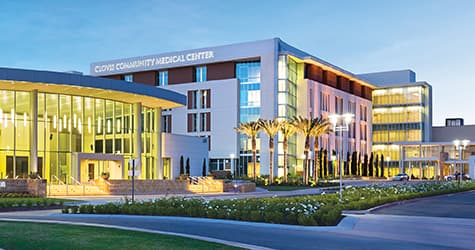
CMS chief brings $50 billion rural health plan to Central Valley
Dr. Mehmet Oz met Central Valley providers about a $50 billion rural health plan to strengthen hospitals and expand access; it could bring new funding and oversight to Fresno County.
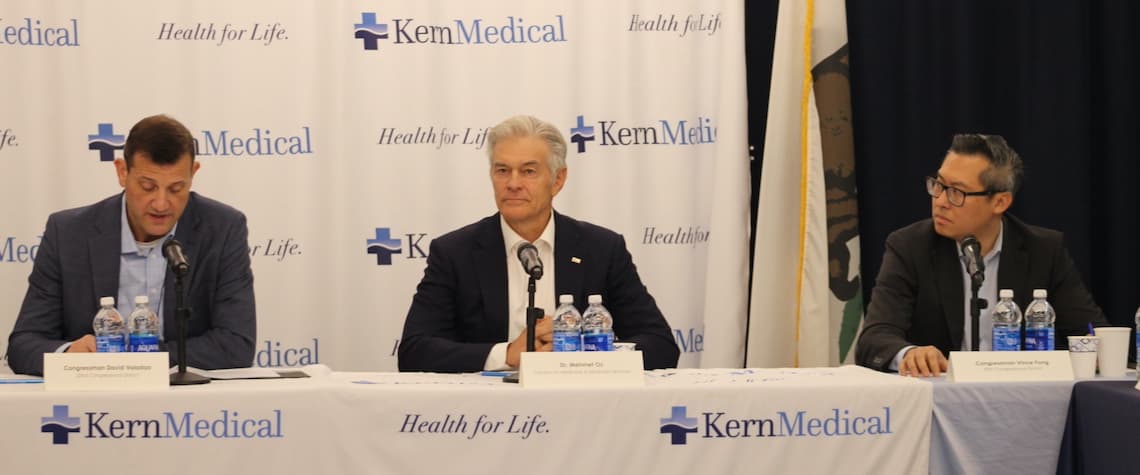
Federal health officials visited the Central Valley on Jan. 12 to outline a $50 billion Rural Health Transformation Program aimed at bolstering rural hospitals and expanding access to care. The roundtable brought together the administrator of the Centers for Medicare & Medicaid Services, Central Valley health providers and local members of Congress to discuss how the program could be applied across the region.
The initiative is described as a broad push to channel federal investments into rural health systems, with an emphasis on stabilizing financially vulnerable hospitals and improving patient access. Regional providers participated in the meeting, including Kern Medical and Kaweah Health, alongside representatives from Fresno-area systems and lawmakers who represent Valley districts. Federal leaders signaled a willingness to engage on regulatory issues as part of the effort to ensure federal dollars translate into sustainable services.
For Fresno County residents, the potential impacts are practical and immediate. Strengthened rural hospitals can reduce travel time for urgent and routine care, preserve emergency services in outlying communities and support local jobs in health care. Investments could also make it easier for clinics to expand telehealth, behavioral health and specialty services that many Valley residents now must travel hours to reach.
Health systems in the region have faced tight margins, workforce shortages and infrastructure needs that make new funding and regulatory flexibility attractive. Officials at the meeting framed the program as more than grant money: regulatory engagement could smooth pathways for hospitals seeking waivers, partner agreements or other changes that affect how services are paid for and delivered in rural settings.
While specifics about how funds will be distributed were not finalized at the session, the visit fits into a pattern of federal attention to rural health in the Central Valley. Local leaders emphasized the need to translate federal commitments into tangible projects that address capacity, clinician recruitment and retention, and expanded outpatient and mental health services.
Practical next steps for health providers include preparing applications, documenting community health needs and coordinating with county public health officials to prioritize investments. For patients, the most visible early signs will likely be announcements from local hospitals about new programs, expanded telehealth hours or partnerships with larger regional systems.
Our two cents? Stay tuned to your local hospital and clinic for specific programs and enrollment details, ask about new telehealth or outpatient options, and make sure your primary care office knows the services you need so local leaders can prioritize funding where it will help Fresno County residents the most.
Sources:
Know something we missed? Have a correction or additional information?
Submit a Tip