Collin County Historical Commission Updates Marker Application Resources
The Collin County Historical Commission maintains information on more than 200 state historical markers and over 50 county markers, and its updated resource page outlines how residents, researchers, and local leaders can nominate and care for those sites. That work matters to Collin County because markers preserve local stories, shape planning and tourism, and influence community identity and equity in whose history is recognized.
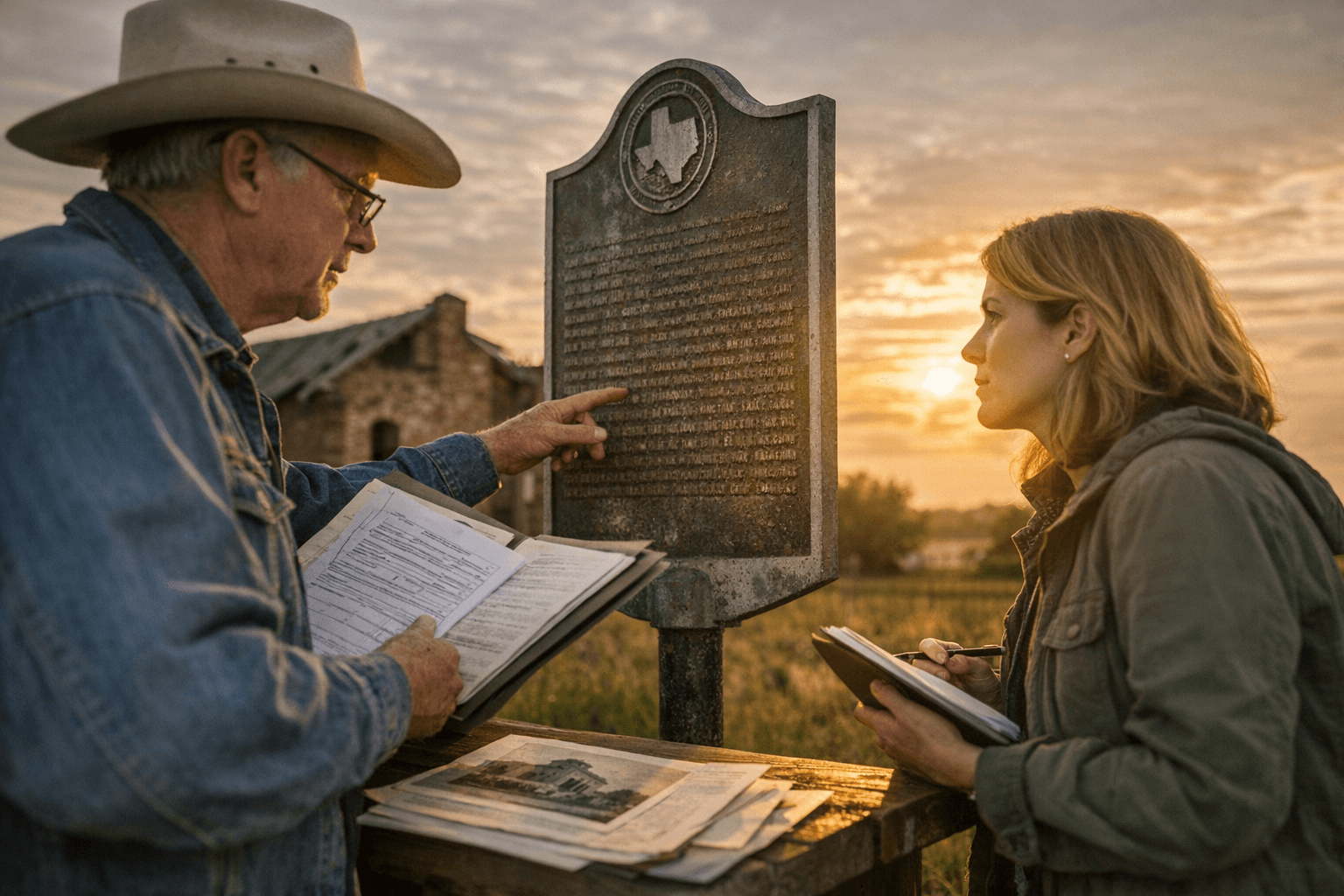
The Collin County Historical Commission documents the county’s past through a state and county marker program and now offers expanded guidance on applying for and maintaining markers. The commission’s online resources catalog more than 200 state historical markers and more than 50 county markers that identify courthouses, historic homes, cemeteries and other landmarks across Collin County communities.
The commission’s materials explain how to prepare historic narratives, outline submission timelines, and describe responsibilities for marker maintenance. The page also links to the Texas Historical Commission’s Atlas to search marker locations and provides step-by-step instructions for applying for a new marker. For researchers and residents seeking to nominate a site, the page lists application deadlines, procedural details and contact information for the commission.
Markers play a practical role in local life. They offer educators tangible sites for place-based learning, give planners documented context when considering development or preservation, and support historical tourism that brings visitors and economic activity to downtowns and neighborhoods. Preserving markers and adding new ones also shapes Collin County’s community identity by making public which stories are highlighted for current and future residents.
There are public health and equity dimensions to this work. Public spaces and neighborhood landmarks contribute to residents’ sense of belonging and mental well-being by anchoring community memory. Who is commemorated matters: ensuring marker programs are accessible and equitable can help address historical omissions that impact marginalized groups. The commission’s guidance on nominations creates an entry point for community groups, schools and historically underrepresented residents to document and propose recognition of sites important to their histories.
Maintenance guidance is a practical safeguard for safety and accessibility. Well-maintained markers and surrounding sites reduce hazards and improve usability for visitors of all ages and mobility levels. As Collin County continues to grow, integrating historical markers into planning can balance development pressures with preservation of cultural and communal assets.
Collin County residents, neighborhood associations, historians and municipal planners can use the commission’s resources to identify existing markers, pursue new designations, and coordinate upkeep. The commission’s information is intended to streamline applications and make the process clearer for community members who want to preserve local history and ensure a more inclusive public record of Collin County’s past.
Sources:
Know something we missed? Have a correction or additional information?
Submit a Tip