Collin County's top parks and trails for year-round recreation
Collin County's parks and trails offer year-round options for families, runners and cyclists; check city pages for closures and plan for summer heat.
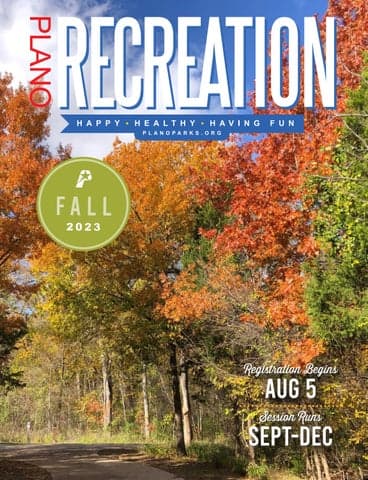
Collin County’s park network delivers a mix of urban plazas, long-distance trails and nature preserves that residents use year-round for exercise, family time and weekend events. From Plano’s paved pathways to McKinney’s mountain-style trails, seven standout sites anchor outdoor life across the county.
Arbor Hills Nature Preserve in Plano is a multiuse hub with paved pathways for running and biking, lookout points, and wide picnic areas that make it popular for family outings and weekend runs. Nearby urban options in Frisco include 4th Street Plaza and other Rail District plazas that function as pedestrian public spaces with events and public art, offering short, walkable breaks for downtown workers and shoppers.
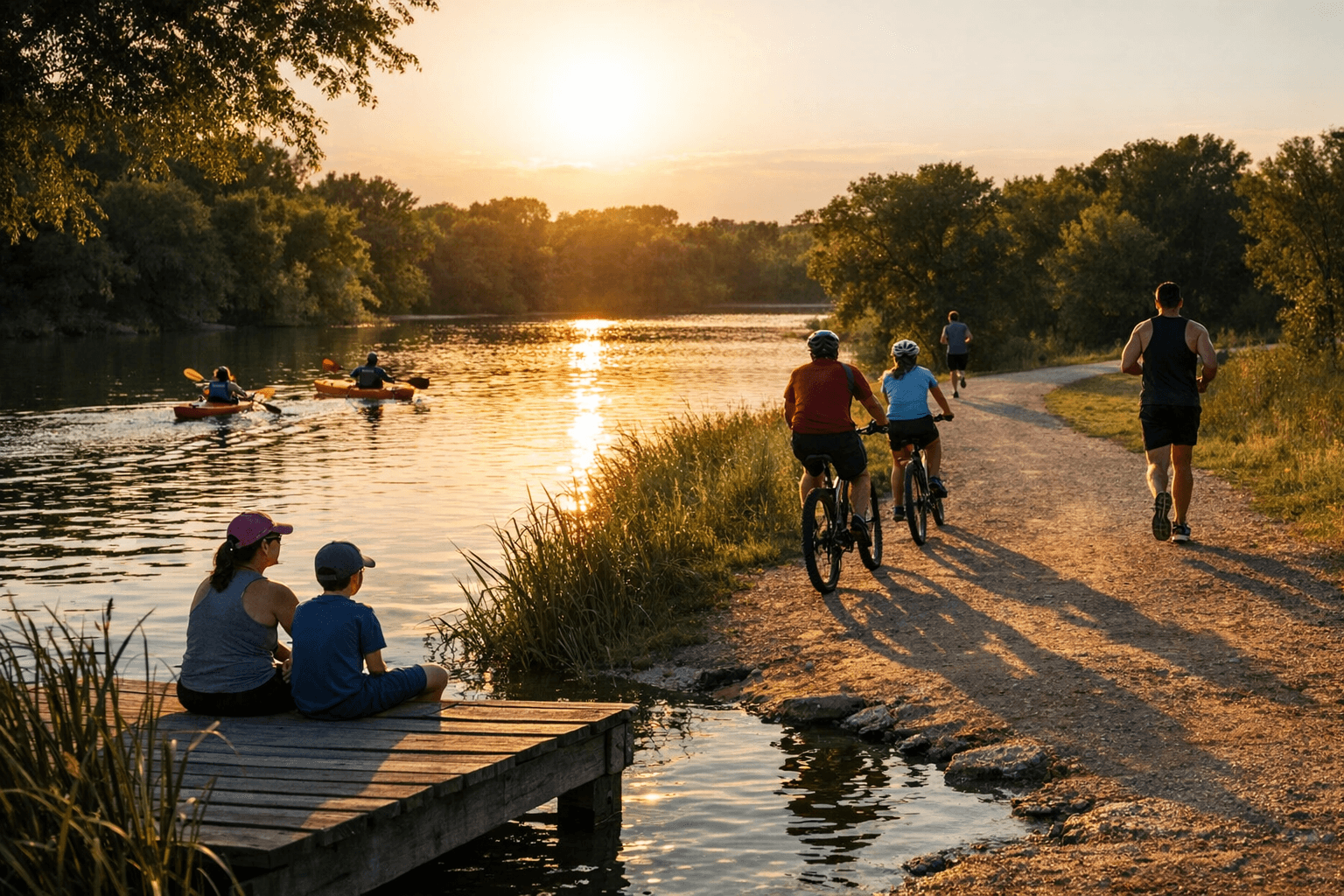
McKinney features multiple outdoor draws. Erwin Park provides disc golf, mountain-style trails, scenic overlooks and open fields suitable for trail running and picnics. The Heard Natural Science Museum & Wildlife Sanctuary combines nature trails with educational exhibits, outdoor programming and active land management including prescribed burns, making it a year-round resource for families and environmental learning.
Regional connectivity shows up in the Trinity Trails and East Fork corridor segments that extend into Collin County. These long-distance walking and biking corridors link neighborhoods and parks, enabling longer rides, car-free commutes and cross-jurisdictional recreation that boost foot traffic in adjacent commercial areas.
Smaller municipal initiatives matter too. Wylie’s municipal parks system and eastern Collin County trail planning point to expanding neighborhood access, while McKinney’s Greens and Randles Park projects are adding playgrounds, splash pads and courts that increase local recreation capacity for children and adult leagues.
For residents, the practical takeaways are immediate: bring water in hot months, follow posted rules and leash laws, and check each city’s parks and recreation page for construction closures or scheduled maintenance before you go. Planned improvements and trail expansions also signal ongoing public investment that affects quality of life, property desirability and small-business activity near trailheads and plazas.
Policy implications are straightforward. Maintaining multiuse corridors and urban plazas requires steady funding and coordination across cities; trail connectivity supports active transportation goals and can shift travel patterns over time. Habitat-management practices such as prescribed burns at Heard reflect a long-term approach to conservation that preserves biodiversity while expanding recreational programming.
Our two cents? Treat these parks like your backyard: hydrate, respect posted rules, and use city parks pages to time visits around closures. A little preparation means more reliable runs, family days and community events without surprises.
Know something we missed? Have a correction or additional information?
Submit a Tip