Plano schedules annual homelessness PIT Count to guide services
Plano will hold its annual point-in-time count on Jan. 22; volunteers will map and survey unsheltered residents to inform local services and planning.
The City of Plano will hold its annual Point-In-Time (PIT) Count on Thursday, Jan. 22, 2026, a one-night census of people experiencing homelessness intended to shape local service delivery and funding priorities. Volunteers play a central role in that effort, collecting data that local agencies and policymakers use to plan shelter capacity, outreach, and support programs.
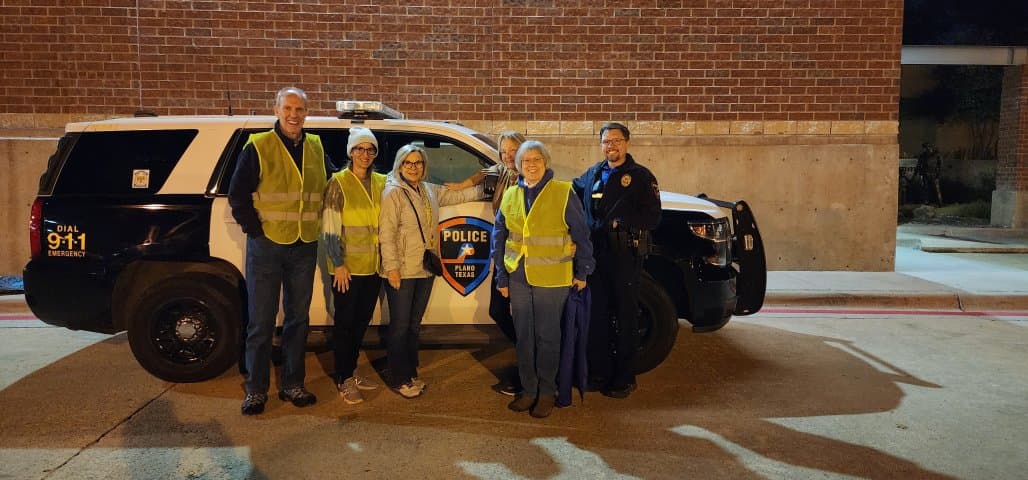
Volunteers will meet at Plano Municipal Center at 6:45 p.m. for check-in and a required one-hour training covering the Counting Us app and safety procedures. After training, teams will receive assigned maps and begin field work between 8 and 8:30 p.m., with canvassing expected to finish by midnight. Teams are often accompanied by Plano police officers for safety and coordination.
Each team will include clearly defined roles: driver, navigator, surveyor, app manager and care-package handler. Volunteers must register in advance and complete a background check before participating. The structured team setup and the mandatory training are designed to ensure consistent data collection while protecting both volunteers and people being counted.
The PIT Count produces a snapshot used by local government and service providers to estimate need, allocate resources and apply for state and federal grants. While the count captures sheltered and unsheltered individuals on a single night, year-to-year comparisons help track trends in homelessness and measure the impact of interventions. Accurate, timely data can influence shelter funding, rapid rehousing programs and outreach budgets in Collin County, affecting service availability for residents in crisis.
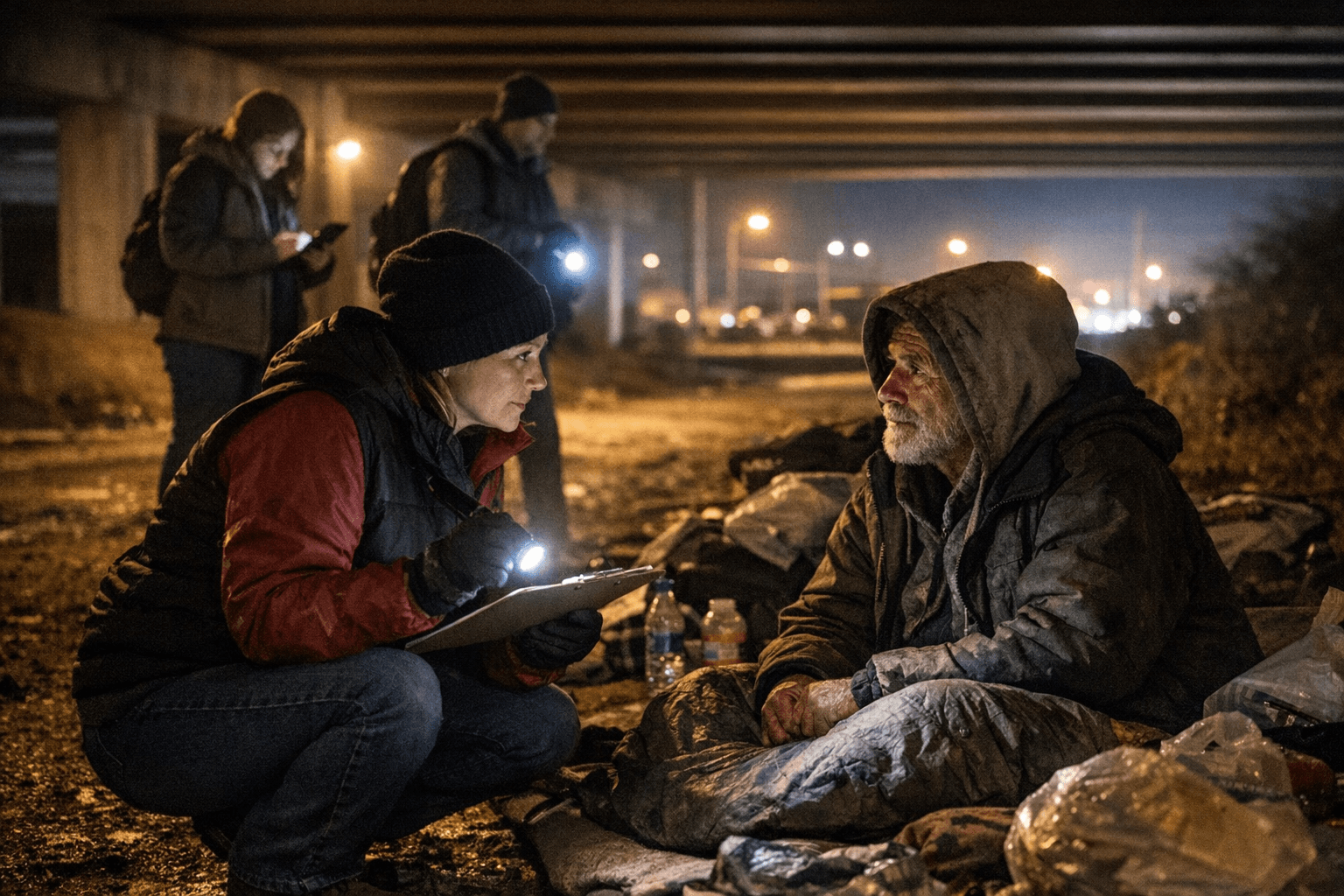
For the community, the count has direct implications. Improved data leads to more targeted services and can reduce long-term costs by directing resources to prevention and stabilization. Conversely, undercounts risk leaving needs unaddressed and limiting grant eligibility for programs that serve Plano and surrounding Collin County neighborhoods. Police involvement and background checks reflect the logistical and safety challenges of conducting night-time outreach across a large suburban area.
Volunteers who take part should expect an organized, app-driven process and to work in small teams on pre-mapped routes. Participation also offers a window into local social services work and contributes to planning decisions that affect shelter beds, outreach staffing and support for people exiting homelessness.
The takeaway? If you care about strengthening Plano’s safety net, sign up early, complete the background check and come prepared for evening fieldwork — your participation helps translate a one-night count into better services and smarter spending for our community.
Sources:
Know something we missed? Have a correction or additional information?
Submit a Tip