Colorado public stations challenge federal cut, warn of rural news loss
On December 6, 2025 KSUT Public Radio joined other Colorado public outlets in Washington D.C. to challenge a federal executive order that seeks to end federal funding for public media. The station says the order threatens First Amendment protections, undermines Congress, and endangers vital services for remote communities across the Four Corners region.
KSUT Public Radio and representatives from several Colorado public media organizations testified in federal court on December 6 as part of a lawsuit opposing an executive order aimed at terminating federal funding to public broadcasters. The plaintiffs argue the executive action intrudes on First Amendment protections and disregards Congress and its established funding decisions for public media.
KSUT Executive Director Tami Graham traveled to Washington as part of the testimony, emphasizing the station's role serving remote communities across the Four Corners region. KSUT reported losing a significant portion of federal grant funding this year, and leaders say that loss contributed to severe financial strain even as the station recorded historic levels of community support in 2025. That contradiction highlights how local donations cannot easily replace stable federal funding that sustains reporting, local programming, and critical public service operations.
The legal challenge matters locally because many residents of Dolores County and neighboring rural areas rely on KSUT and similar outlets for regional news, weather and emergency information, cultural programming, and coverage of tribal and rural affairs. KSUT was founded to reach remote listeners and listeners without easy access to larger market outlets. Court rulings that allow executive withdrawal of federal media funding could reduce reporting capacity and force program cutbacks that disproportionately affect rural, low income, and Indigenous communities across Southwest Colorado.
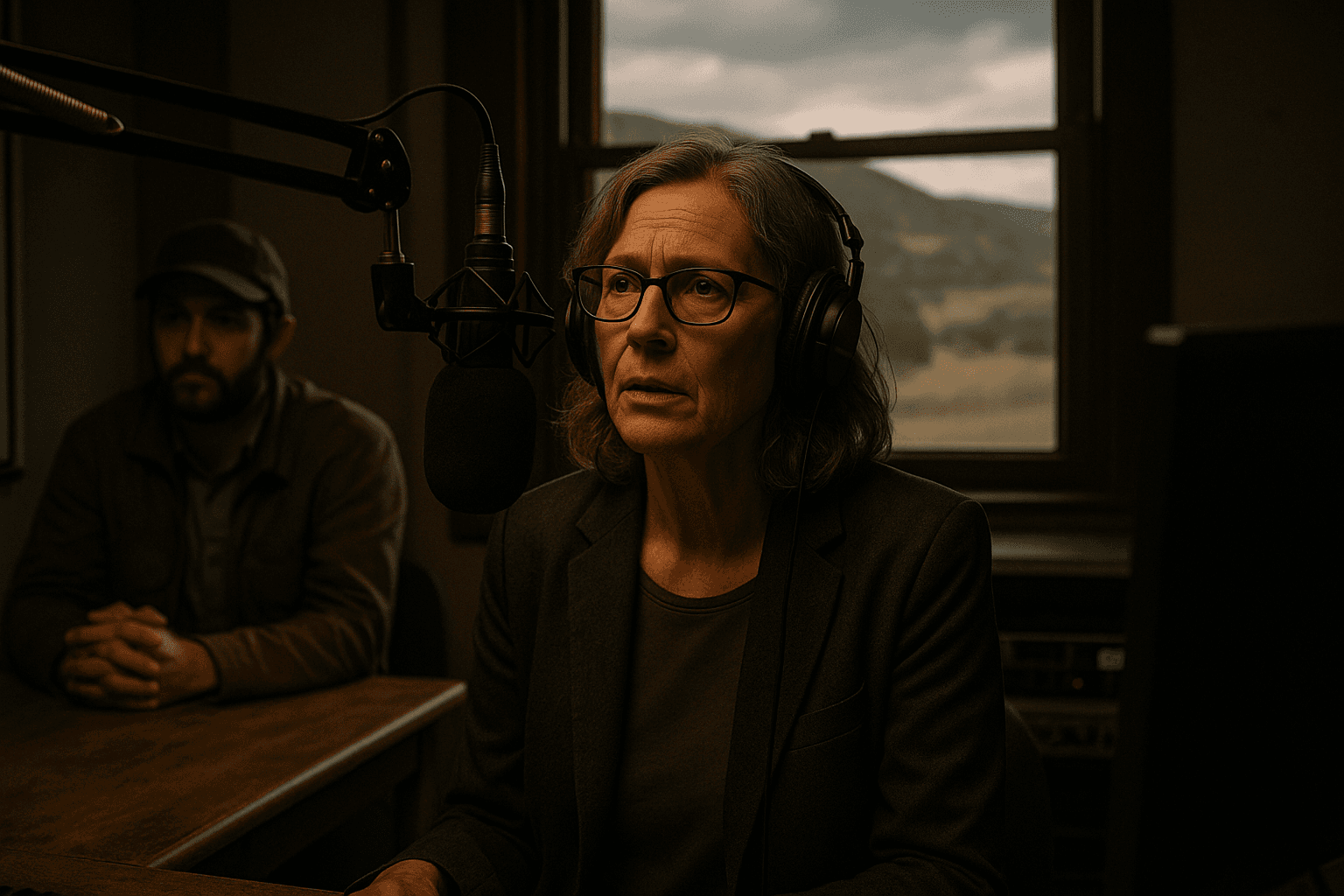
The case is unfolding against a broader national debate. Supporters of the executive order frame it as a reallocation of federal priorities. Opponents say it sets a precedent allowing the executive branch to override congressional appropriations and to curtail institutions that provide local journalism and public information in underserved areas. For public media in rural regions, the dispute raises questions about long term sustainability and equitable access to information.
For Dolores County listeners the stakes are concrete. Potential reductions in staff, local reporting, and programming could mean fewer voices covering county government, land management, school concerns, and public safety. As litigation proceeds, community leaders and media advocates will be watching whether federal courts preserve funding arrangements that many rural residents depend on for timely, locally relevant information.