Local Food Networks Stepped Up After SNAP Disruptions, Community Responds
A wave of coordinated emergency relief mobilized across Dolores and Montezuma counties after short term SNAP benefit disruptions left many households short on food. Local governments, nonprofits, churches and mutual aid networks expanded hours and services to meet urgent needs, a reminder that community support will be critical through the holiday season.
On Dec. 5, 2025, recovery and relief efforts following short term SNAP benefit disruptions were underway across Dolores and Montezuma counties, as a network of government programs, nonprofits, churches, pantries and volunteers rapidly scaled up to fill immediate gaps in food access. The response included emergency food distributions, hot meal programs and expanded social services outreach designed to reach families and individuals who suddenly lost expected benefits.
Key local organizations were central to the effort. Dolores Family Project, Dove Creek Care and Share, Four Corners Food Not Bombs, Good Sam’s Food Pantry, Grace’s Kitchen and Hope’s Kitchen each increased hours and supplies to serve higher demand. Churches and mutual aid networks opened kitchens and coordinated volunteer shifts, while social service teams worked to reconnect households with benefits and temporary assistance. The combined effort reduced immediate hunger risks for many residents and helped prevent longer term financial strain for households already managing tight budgets.
The surge in demand highlighted both strengths and vulnerabilities in the local safety net. Emergency food providers reported heavier caseloads and longer volunteer shifts, producing strain on staff and volunteer capacity just as donations and in kind supplies rose. For local economies, short term interruptions to monthly benefit flows translate quickly into greater reliance on charitable providers. That shifts costs onto nonprofits and volunteers, and can mask underlying needs as the holiday season increases food insecurity for lower income households.
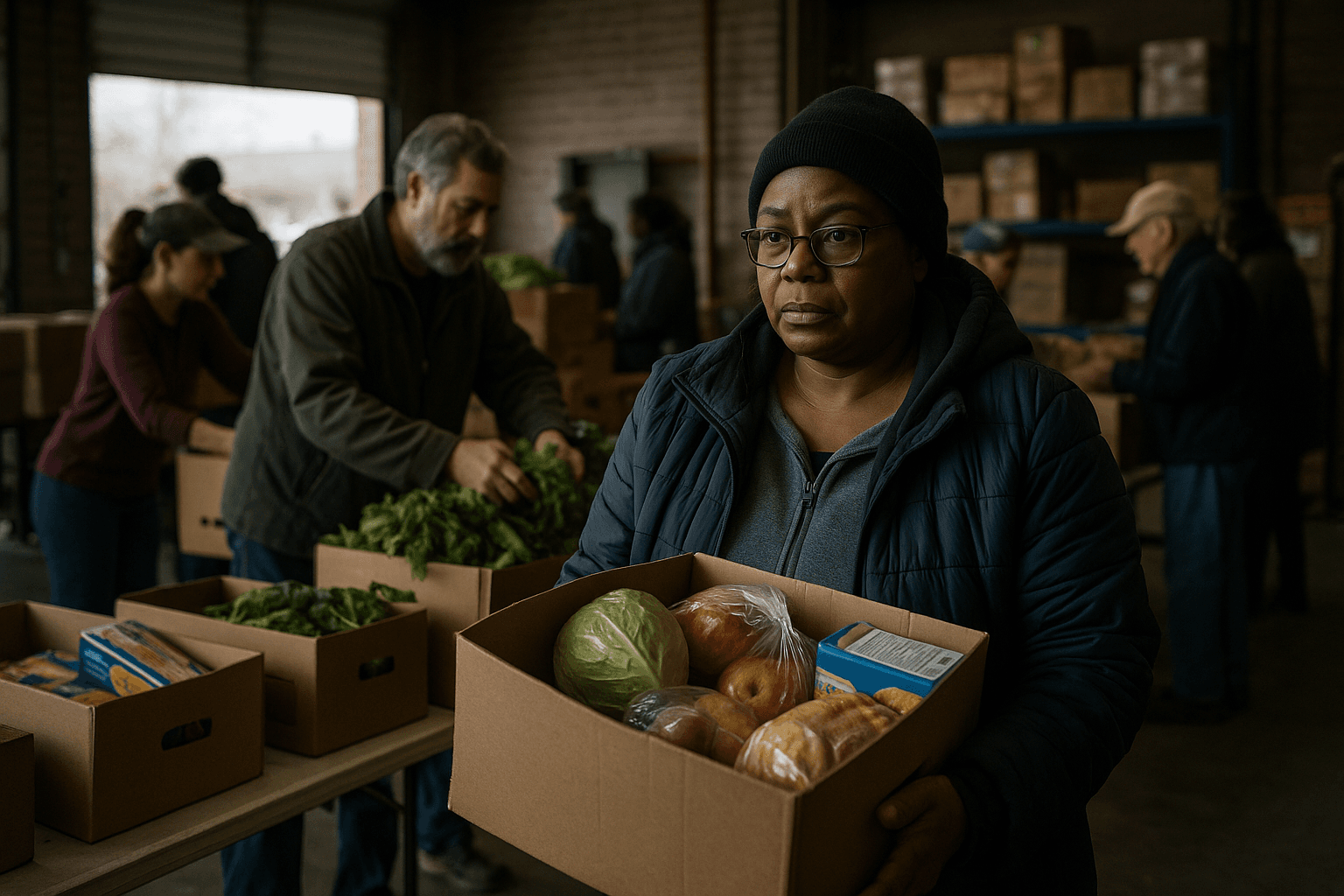
For residents seeking help or wishing to assist, local food pantries and kitchens expanded services during the crisis, and county social services offices are coordinating outreach and enrollment assistance. Community members can help by donating funds or shelf stable food, volunteering time at distribution sites or kitchens, and sharing information about local resources with neighbors. Sustained support will be essential to stabilize food access until benefit systems and regular assistance fully resume.
The recent mobilization demonstrated strong community capacity to respond in a crisis, while underscoring the economic importance of reliable benefit delivery and ongoing investment in local food access infrastructure.