Commercial Crab Season Opening Sidelines Most Humboldt Fishery Grounds
State officials set the Northern California commercial Dungeness crab season to open on January 15, but nearly all Humboldt County fishing grounds remain closed because of elevated domoic acid levels. Recreational crabbers in Humboldt are allowed to harvest after a December 30 reopening with a health advisory, while commercial operations face a 15% trap reduction and a 30-day Fair Start restriction that will keep many local boats sidelined into mid-February.

State regulators announced a January 15 opening for the Northern California commercial Dungeness crab fishery, but that timeline does not restore access to the central Humboldt coast. The stretch of ocean from Reading Rock to Cape Mendocino, which includes the majority of Humboldt Bay–based fishing areas, remains closed while health officials monitor elevated domoic acid levels. The commercial closure will stay in effect until state health authorities determine toxin levels are safe for harvest; fishermen will receive at least 72 hours’ notice before gear can be set.
The recreational crab fishery in Humboldt County has a different status. After state health agencies cleared the last delayed area, recreational crabbers were allowed to resume harvesting on December 30, 2025. A health advisory remains in effect for recreational take, warning against eating crab viscera and advising that crab be cleaned before cooking.
When the commercial season opens regionally, some Humboldt-based vessels will be able to fish in areas north of Trinidad or south of Cape Mendocino, but operations will be constrained by a mandatory 15% trap reduction. The Fair Start rule adds another constraint: boats that have already been fishing in other open areas are barred from moving into newly opened zones for 30 days. That limitation means some Humboldt fishermen who want to return to nearby grounds may remain off the water until mid-February even if those zones are cleared sooner.
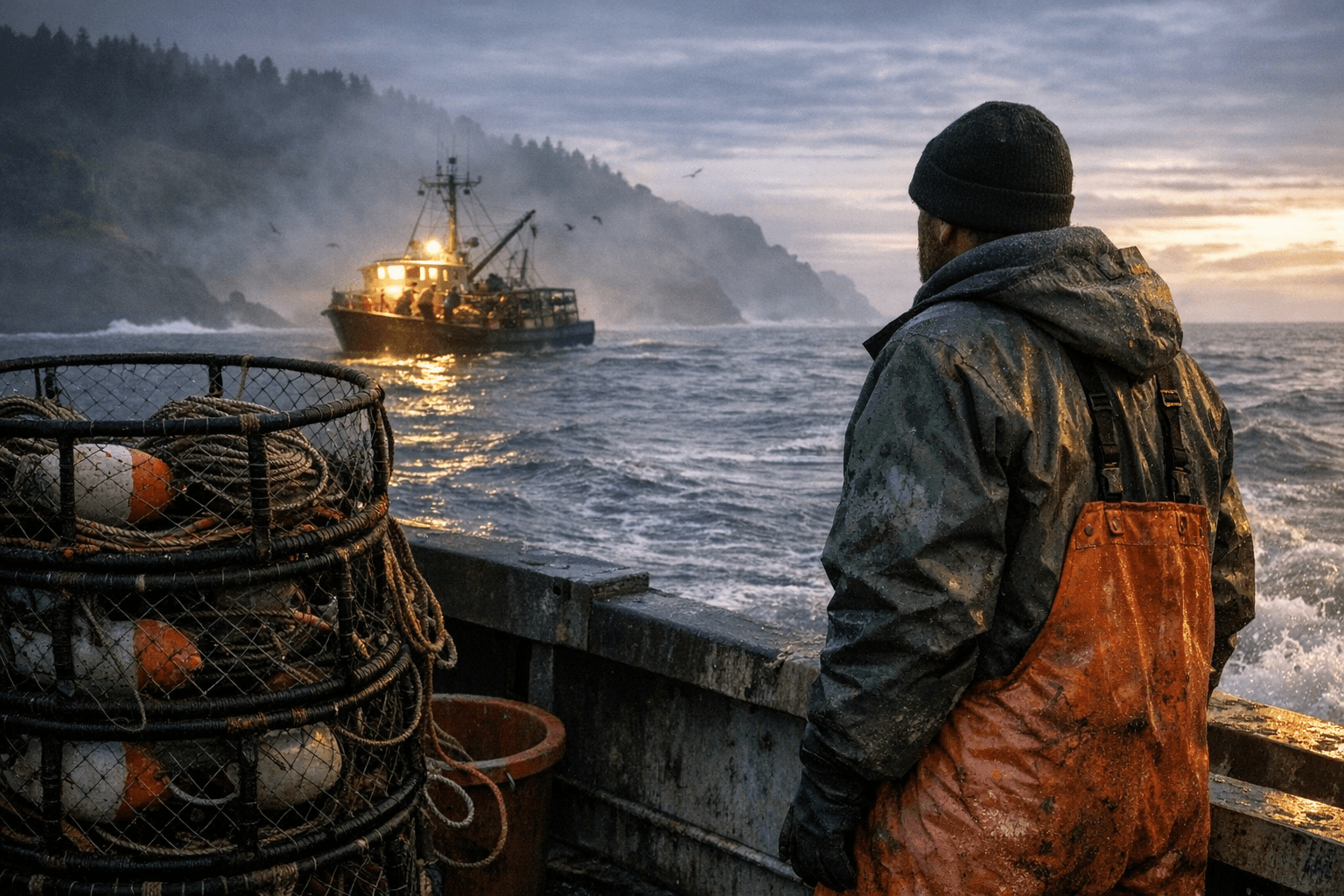
The combination of area closures, trap reductions, and movement limits will shrink commercial effort and likely reduce local landings in the near term. For Humboldt processors, wholesalers, and coastal restaurants that rely on steady deliveries of commercial Dungeness, the interruption could tighten supply and raise procurement pressures as other ports pick up the slack. For fishermen, the cut in allowable traps and delayed access translate directly into lower potential revenue during a season that typically supplies significant income in winter months.
Policy trade-offs are apparent: the state’s approach aims to protect public health and to limit displacement of effort, but it also concentrates economic impacts on ports whose nearby grounds remain closed. Local fishery managers and health officials will be watching domoic acid test results closely; when conditions permit, the required 72-hour notice will be the signal for gear to be set and the commercial fishery to resume in affected Humboldt waters.
Sources:
Know something we missed? Have a correction or additional information?
Submit a Tip