Community Alliance Aims to Activate Downtown, Support Local Businesses
The Community Alliance for Main Street outlined 2026 priorities on Jan. 2, focusing on expanded park programming, parking improvements, and historic-preservation work to boost downtown activity and help small businesses. The plans promise more free cultural events and potential federal funding for property owners, but organizers acknowledged resident concerns about noise, trash and traffic.

On Jan. 2, Rachel Kahler, executive director of the Community Alliance for Main Street (CAMS), outlined a slate of projects intended to increase downtown activation and support local business owners in 2026. The agenda builds on a busy 2025 season that included free concerts in Main Street Park after the city completed a new bandshell in June.
CAMS, founded in 2003, revived in 2018 and expanded with a full-time administrator in 2024, said it will continue concerts between Memorial Day and Labor Day in 2026 and will move local acts from Mondays to Saturdays to increase engagement. That programming forms part of a broader vision for Main Street Park and a proposed Trailhead Plaza, with possible features such as an ice ribbon and a splash pad to lengthen seasonal use and attract families.
Organizers also said they are pursuing infrastructure improvements to support increased activity. CAMS has applied for a state grant to renovate shared parking behind several downtown businesses and add more spaces. Expanding parking could ease congestion at peak times, improve access for customers and deliveries, and reduce safety risks created by overflow parking on sidewalks or shoulders.
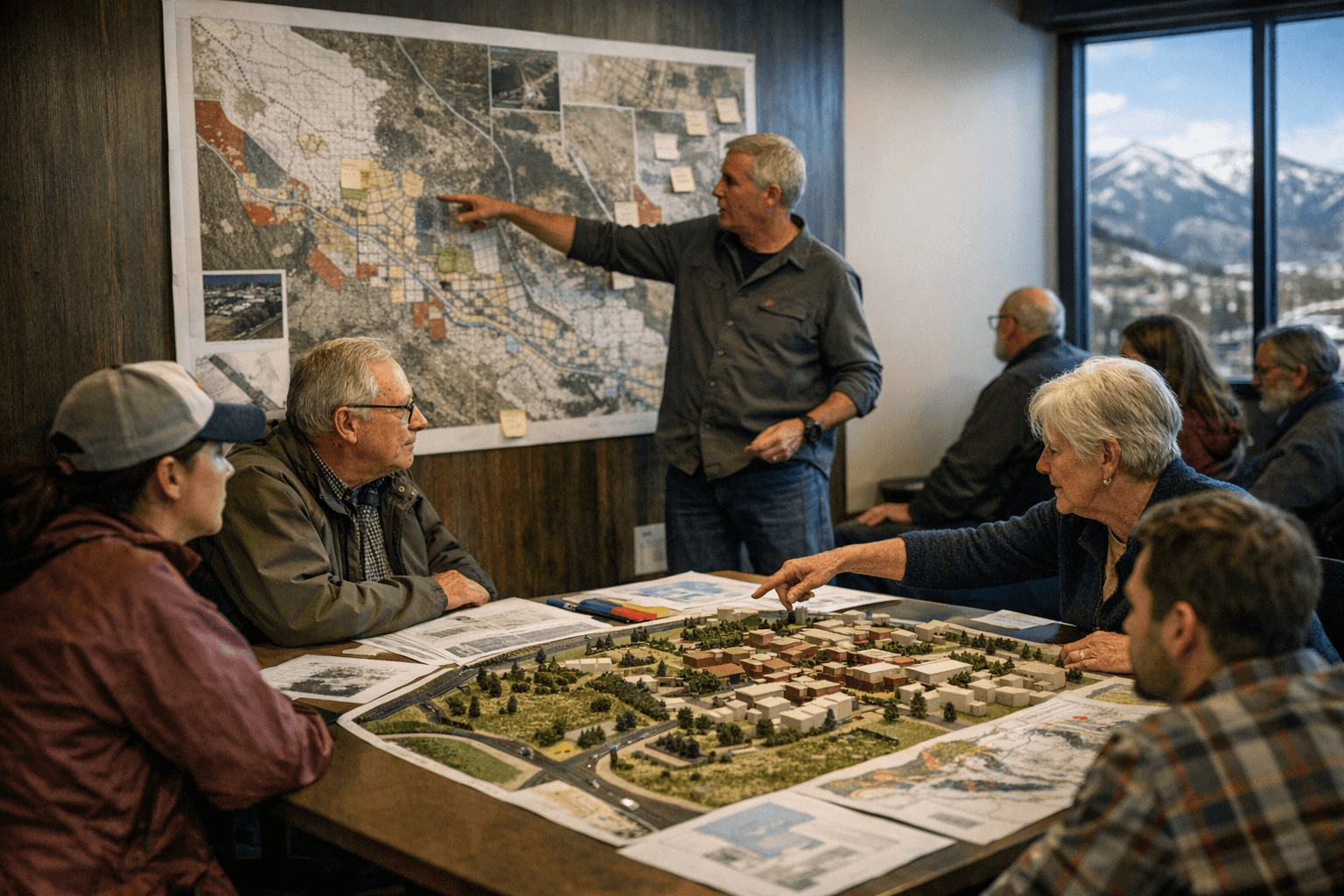
CAMS plans to continue mural projects funded by the Trails, Arts and Park tax and to expand historic-preservation efforts downtown. A survey of roughly 1,200 properties is underway to document building architecture and build dates; its results could support a National Historic District designation. That designation would make participating properties eligible for federal grant and tax-credit programs, potentially lowering the cost of maintenance and rehabilitation for owners and encouraging investment in longtime buildings.
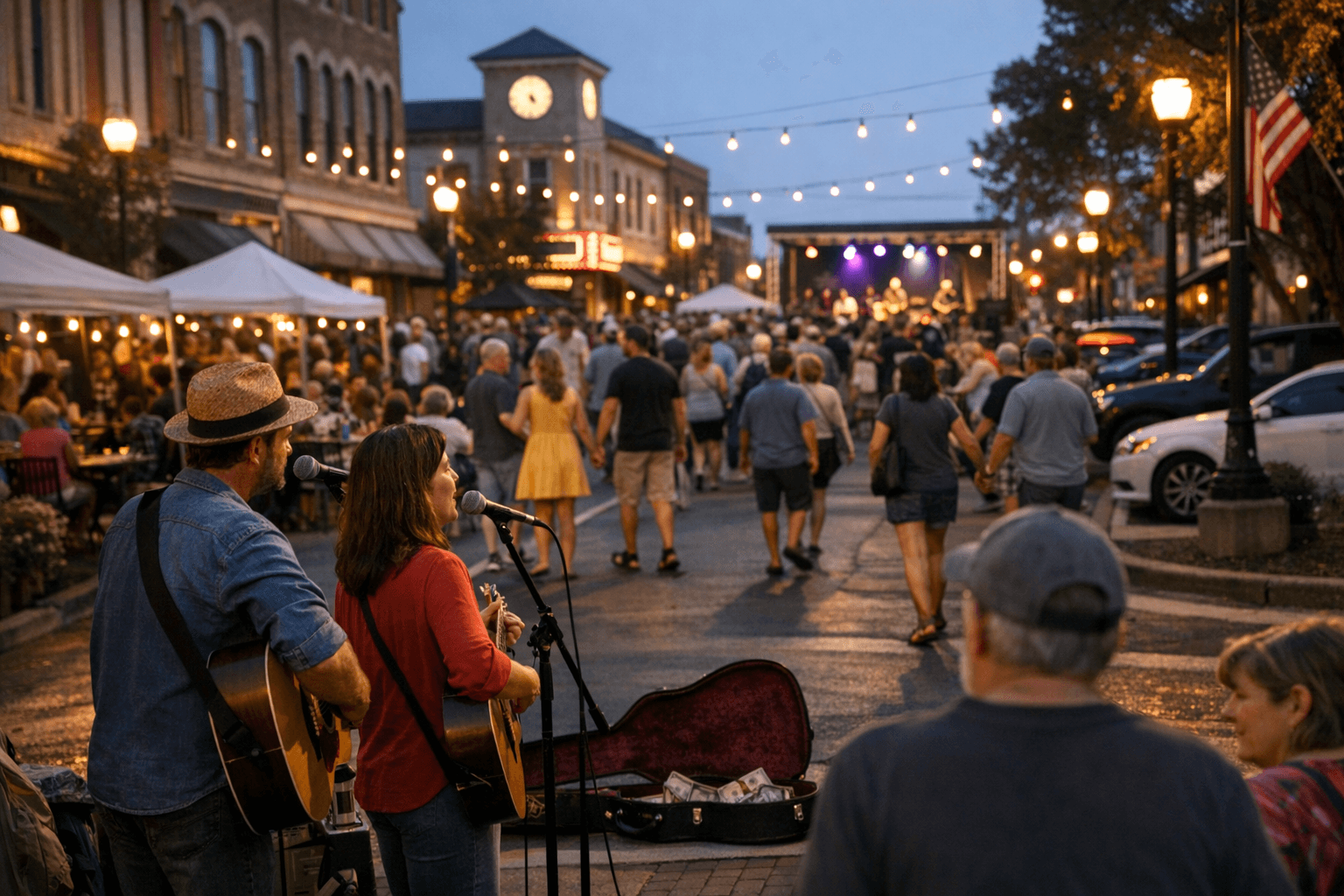
Public health and equity considerations are central to the plan’s potential impacts. Free concerts and expanded park amenities provide low-cost options for recreation and cultural life, which can improve mental and physical well-being and increase access for residents across income levels. At the same time, planned increases in programming can bring higher noise levels, more trash and heavier traffic, which organizers acknowledged and said they are trying to balance while preserving community character.
For small-business owners, increased foot traffic and programmed events can boost revenues, but the success of that promise depends on parking, transportation planning and effective sanitation and noise-mitigation strategies. From a policy perspective, state grant decisions and the outcome of the historic-survey process will shape who benefits from public and federal dollars. As these plans move forward, residents and officials will face choices about how to distribute costs and protections equitably while supporting downtown vitality.
Sources:
Know something we missed? Have a correction or additional information?
Submit a Tip