Comprehensive DCC resource hub simplifies digital upgrades for modelers
Model Railroader and Trains.com offer a centralized DCC hub with beginner articles, videos and wiring guides to help modelers adopt digital control.
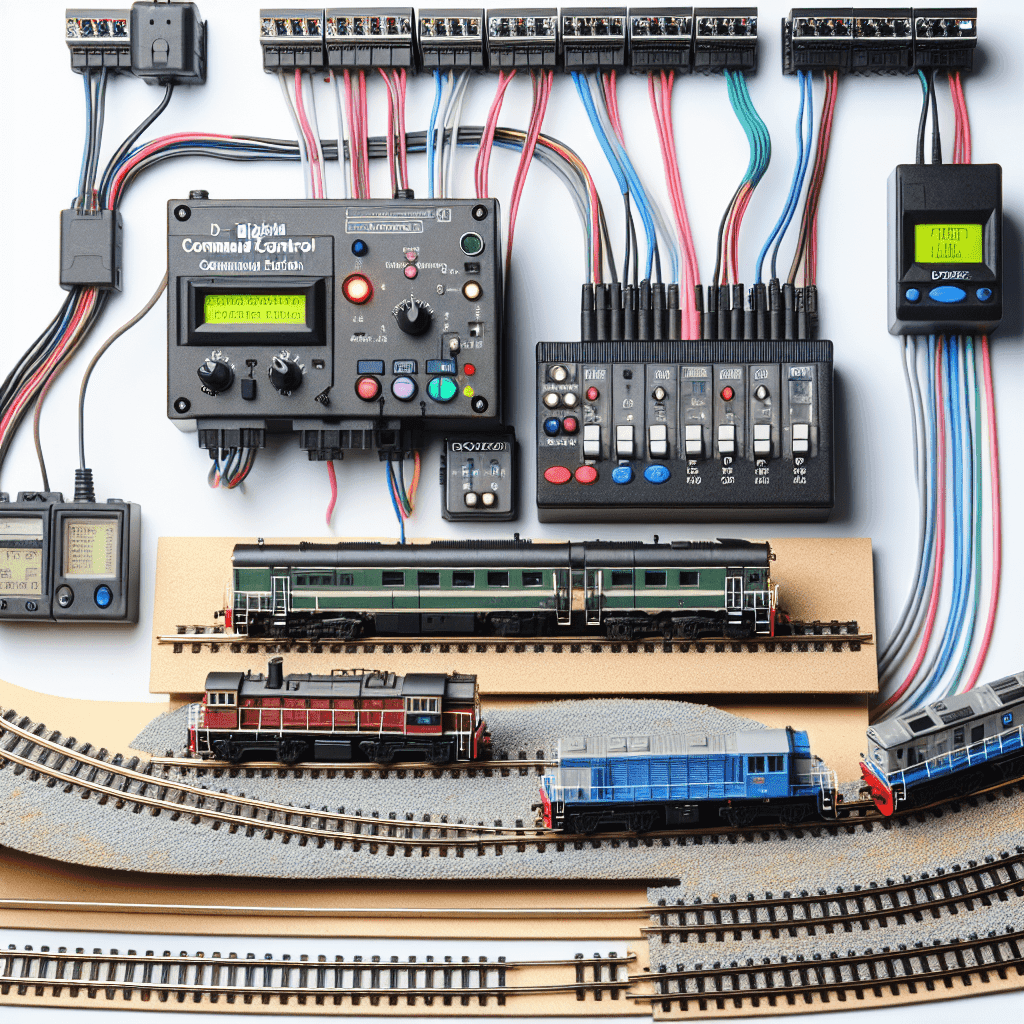
Model Railroader and Trains.com now offer a centralized DCC resource hub that collects beginner-friendly articles, videos and step-by-step references to help modelers move from DC/block control to Digital Command Control. The hub lays out how DCC enables independent control of multiple locomotives on the same electrical track by placing decoders in locomotives and using command stations and boosters to send commands.
The hub is practical first. It starts with starter-system selection, explaining entry-level command stations and what to expect from boosters and power districts. For builders ready to go beyond a simple oval layout, the hub provides a clear path: choose a starter DCC system, wire a cab bus and create power districts, install decoders in locomotives and troubleshoot common problems. Coverage spans HO, N and other scales so layouts of different sizes get scale-specific tips.
Wiring guidance focuses on staging a layout for reliable digital operation. The hub explains cab-bus topology, feeder placement, and how to split your layout into power districts to protect sensitive electronics and make troubleshooting easier. Advice on booster selection and where to place boosters for long mainlines helps avoid voltage drop and signal loss issues that can look like decoder failure. For those who prefer hands-on learning, the hub links to decoder-installation tutorials and practical how-to videos that walk through board-level installs, plug-and-play decoders and soldering techniques.
Decoder installation materials include step-by-step references and a recommended reading list of small guides and books, including titles from Kalmbach and Model Railroader that modelers use as workshop manuals. Troubleshooting sections cover common failure modes, how to test decoders on a programming track and how to isolate electrical shorts to a single district. The hub emphasizes incremental upgrades so builders can stagger purchases, start with a single command station and add boosters or additional throttles as needs grow.

This consolidated approach reduces guesswork when committing to DCC and makes the transition manageable for those used to DC/block control. It helps layout owners plan wiring upgrades and budget for decoders, tools and potential professional installs. It also provides a roadmap for clubs and operators who want multiple independent cabs and more realistic train operations.
The takeaway? Treat the hub like a curriculum: start with a modest starter system, wire for feeders and power districts up front, and learn decoder installation from the videos before you tackle fragile wiring. Our two cents? Take it one locomotive at a time, test on a programming track, and enjoy the freedom of running multiple consists without rewiring the entire railroad.
Sources:
Know something we missed? Have a correction or additional information?
Submit a Tip