Comprehensive FPV buying guide highlights DJI Avata 2 and kits
A comprehensive FPV buying guide ranks rigs from DJI Avata 2 to TinyHawk and Antigravity. It helps pilots choose by speed, safety, latency and intended use.
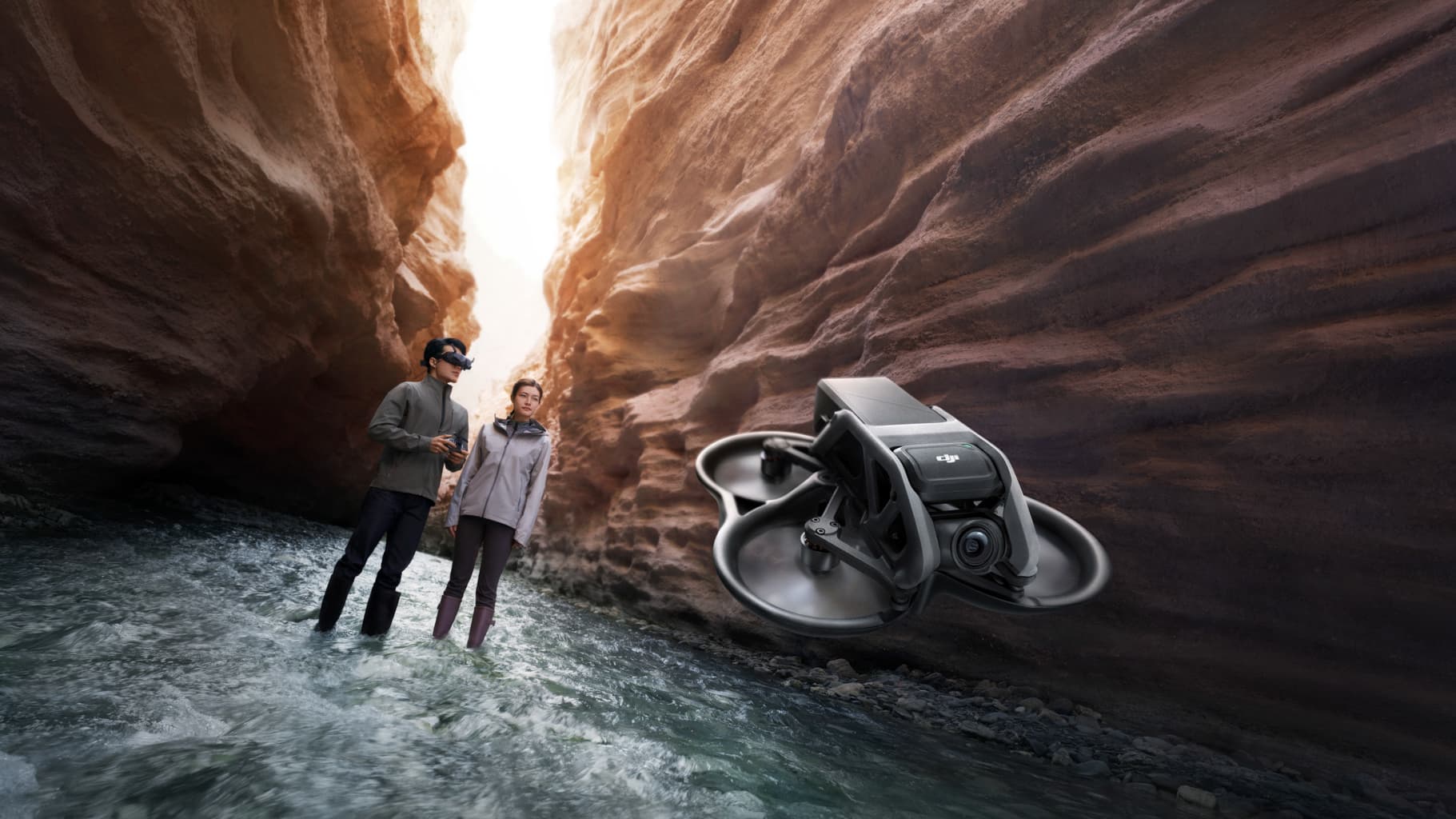
A new, comprehensive FPV buying guide consolidated the current crop of race, freestyle and cinematic rigs and laid out practical buying advice for pilots at every skill level. Top picks include the DJI Avata 2 as the best overall performer, entry kits like the BetaFPV Cetus for newcomers, and specialty picks from iFlight, EMAX and Antigravity for freestyle, micro whoop and creative capture respectively.
The Avata 2 earns its spot by blending robust safety systems, stabilized 4K capture and solid flight performance. Key specs include a 377 gram weight, roughly 120 mm diagonal size, about 23 minutes of flight time on standard batteries and a top speed near 97 kph. The package pairs with comfortable Goggles 3 offering 1920×1080 per-eye resolution and end-to-end latency that can drop to roughly 24 milliseconds, plus the DJI RC Motion 3 controller. The build includes ducts for cinewhoop-style stability. Downsides noted are the absence of forward collision sensors and the need for separate sticks to unlock full manual flying; buyers are steered toward the Fly More combo for best value.
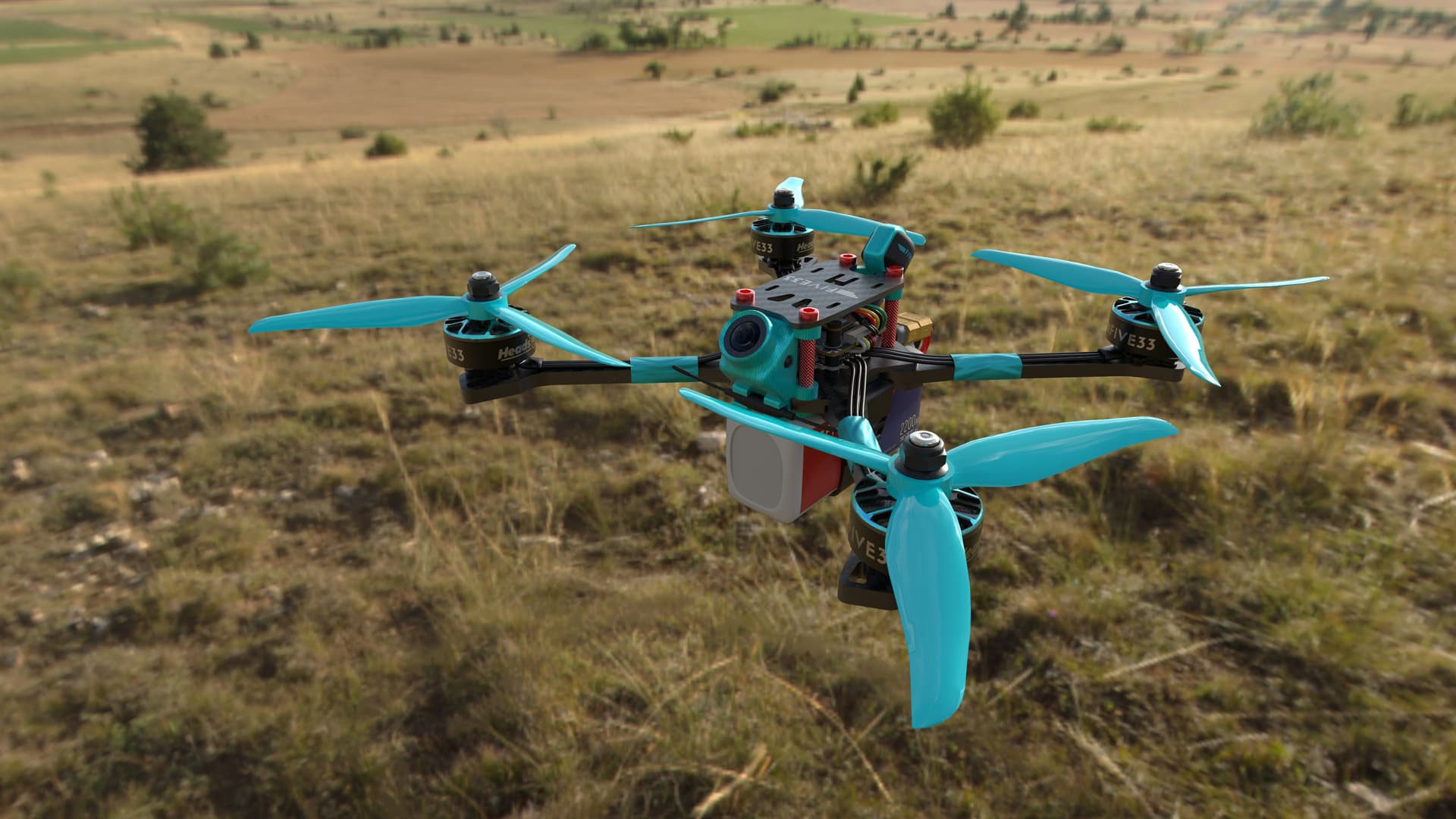
For rookies, the BetaFPV Cetus is the go-to all-in-one whoop kit, coming with goggles and a controller and serving as an ideal indoor trainer. The EMAX TinyHawk 3 RTF is recommended as the best tiny whoop for compact, beginner-friendly flight. Pilots chasing aggressive freestyle or club-level racing will find the iFlight Nazgul 5 geared toward acrobatics and power delivery. Creators who want immersive capture get steered toward the Antigravity A1 8K 360° concept for post-flight reframing and high-resolution content workflows.
The guide breaks down core FPV tradeoffs: analog versus digital video, the latency-versus-image-quality balance, and the growing vendor ecosystem lock-in in digital systems. Digital ecosystems named include DJI, Walksnail/Avatar and HDZero/Caddx; pilots are warned that many digital components are not cross-compatible. The testing methodology focused on speed, handling, crash durability, video latency and real-world flying sessions to reflect what matters in a club field or on a racecourse.

Practical buying advice stresses starting with an all-in-one whoop to learn stick feel, investing early in decent goggles and a reliable radio, and logging hours on sims like Velocidrone or Liftoff before pushing full-size quads. Accessories are highlighted as mission-critical: quality chargers, LiPo safety gear, spare props and motors, and matched goggles/radio pairings for each platform. Safety reminders include following local flight rules, staying within legal altitude limits and practicing LiPo handling.
The takeaway? Pick hardware that matches how you fly: a cinewhoop or Avata 2 for cinematic capture, an iFlight-style frame for freestyle aggression, and a whoop kit for the learning curve. Our two cents? Start small, invest in goggles and a radio you like, practice on a sim, and keep a trunk full of spare props and a safe LiPo charger. That combo will save time, money and a lot of mid-air drama.
Sources:
Know something we missed? Have a correction or additional information?
Submit a Tip