County Approves Two Dollar General Sites, Residents Raise Concerns
Effingham County commissioners approved two Dollar General site plans on December 2, despite residents objecting to what they said was a bait and switch and raising issues about building design and long term maintenance. The conditions attached to the approvals aim to address storm water and architectural concerns, matters that could affect store upkeep, neighborhood character, and local job sites.
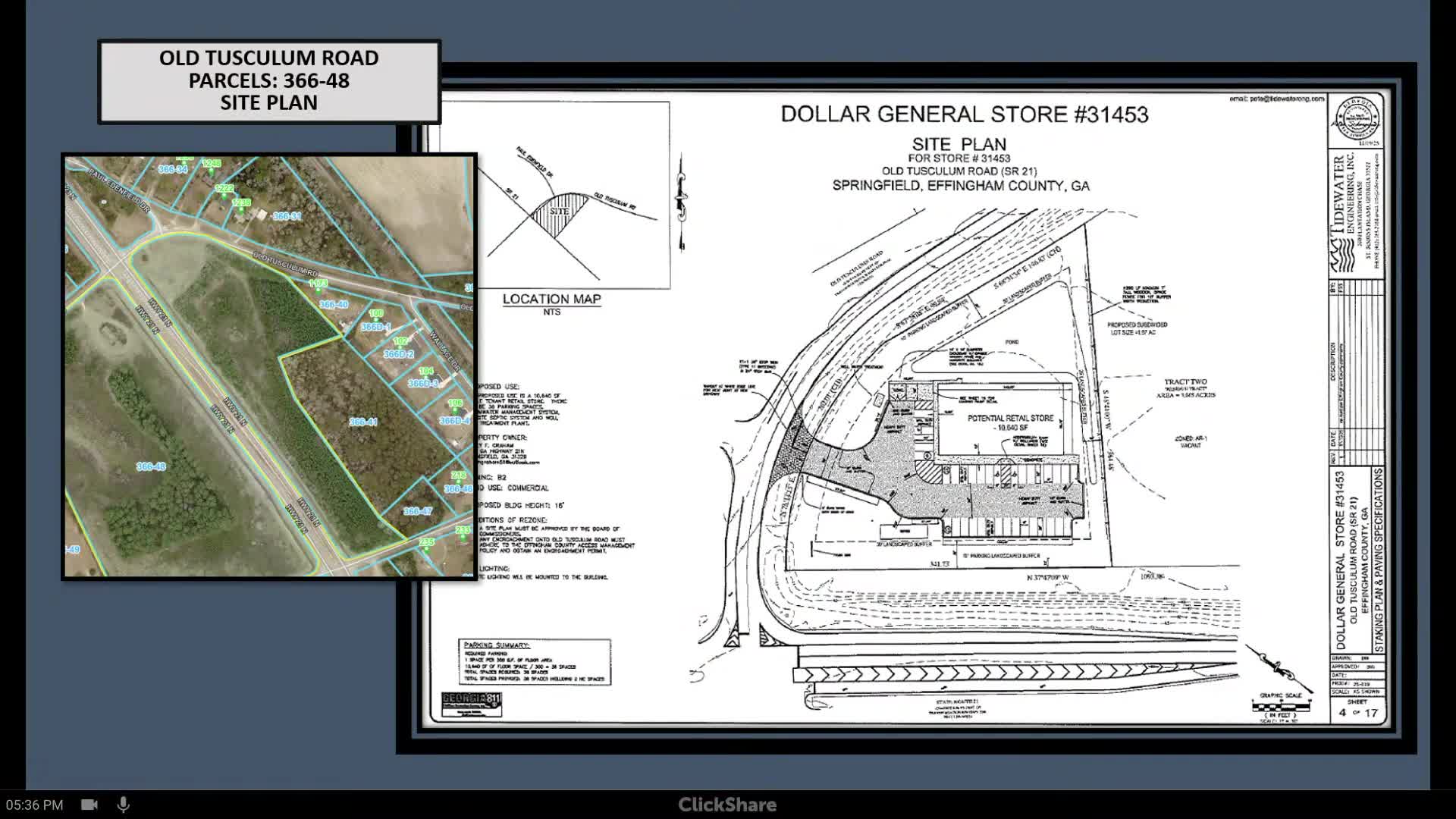
The Effingham County Board of Commissioners voted on December 2 to approve site plans for two proposed Dollar General locations, one on Old Tusculum Road in Springfield and one on Neese Road. The approvals came after public opposition that centered on a complaint that the rezoning public hearing had presented a sandwich or coffee shop rather than a Dollar General, and on worries about building architecture and who will be responsible for ongoing maintenance.
The Springfield Old Tusculum plan calls for a 10,640 square foot building on approximately 1.97 acres, with 36 parking spaces, a septic system and well, and a 30 foot vegetative buffer. The board approved that site plan with standard plat recording and encroachment permit conditions, and required maintenance agreements be in place to cover retention and pond areas before final plat approval.
The Neese Road plan faced stronger neighborhood opposition and was approved only after the board added stronger conditions. The commission required final architectural submittals to comply with neighborhood commercial B 1 requirements and asked staff to review materials and building massing to ensure the stores better align with adjacent residential character. The approvals also stipulate that maintenance agreements will be required as part of the final plat process.
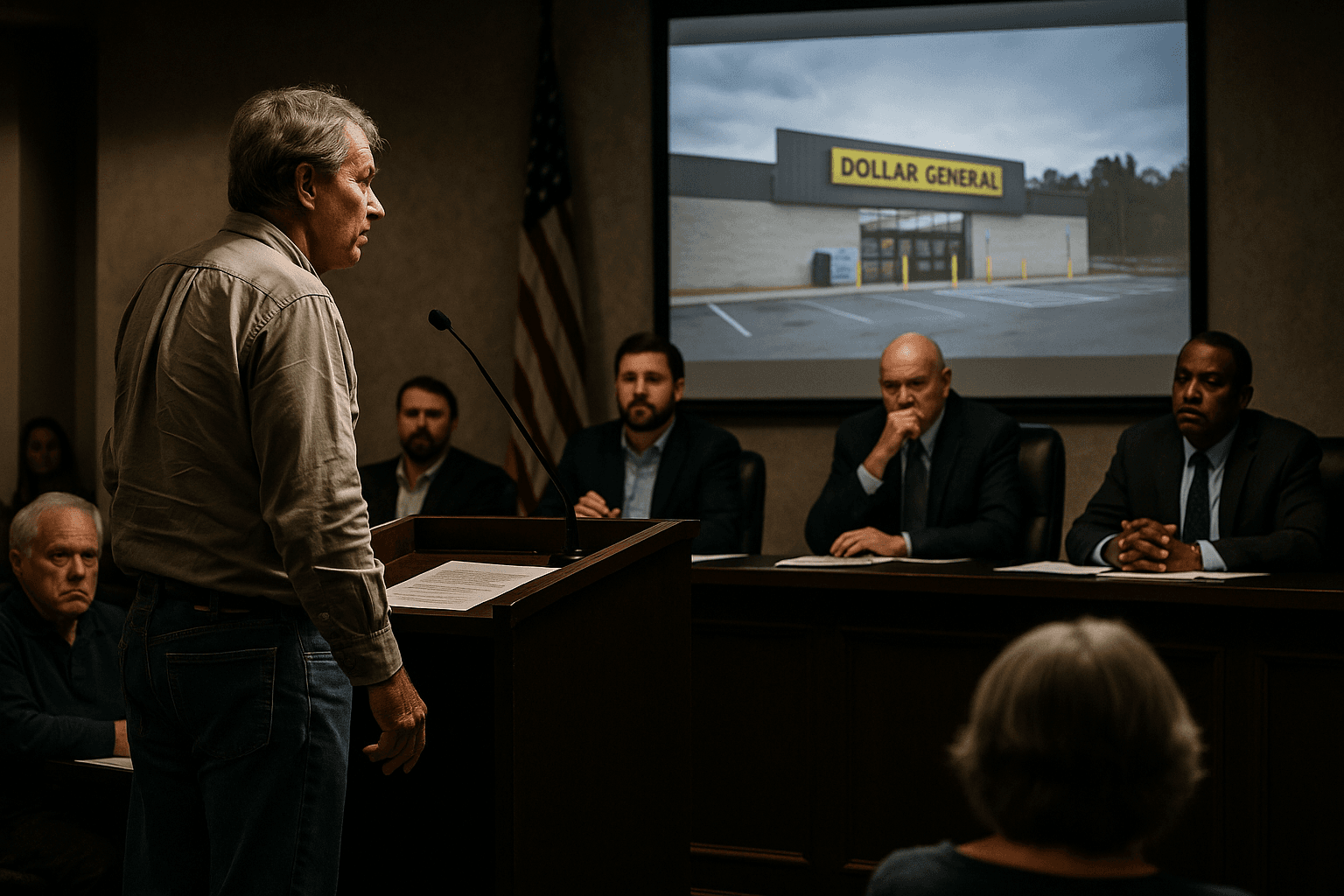
Developers indicated they will maintain a lease relationship with Dollar General corporate. That arrangement means the retail tenant will be the corporate entity, while the developer will have obligations tied to the site plan and recorded maintenance agreements. For workers, these decisions have practical implications. Architectural changes and buffer requirements can alter the customer footprint and visibility, while formal maintenance agreements clarify who handles storm water, landscaping and long term site upkeep. Those factors can affect safety, cleanliness and the working environment in and around the stores.
The decisions also carry broader implications for how retailers are presented in public hearings and how communities and developers negotiate aesthetics and maintenance responsibilities. The additional architectural review and formal maintenance commitments reflect county efforts to balance commercial development with neighborhood expectations, and create clearer lines of responsibility for the life of each store.