County attractions page highlights parks, recreation, and local history
Decatur County now offers a comprehensive attractions page that describes parks, outdoor recreation, agritourism and historic sites, along with reservation and contact information. The resource matters because expanded access to green space and heritage sites supports local health, recreation, and economic opportunities while raising questions about equitable access and public safety.
.jpg&w=1920&q=75)
A single county managed attractions page compiles detailed information on outdoor recreation, agritourism and historic resources across Decatur County. The listing highlights the Tennessee River Golf Club, Beech Bend Park with its campground and boat ramps, Black Wolf Acres on the agritourism circuit, the Brownsport Furnace historic site listed on the National Register, and the Carroll Cabin Barrens State Natural Area known for hiking and rare plant communities. The page also provides practical guidance about reservations, contacts and specific park features.
For residents this central reference simplifies planning for recreation and family outings, and it could help small businesses that depend on visitor traffic. The inclusion of agritourism and heritage assets points to economic opportunities beyond traditional tourism, by encouraging overnight stays at park campgrounds and visits to local farms and historic sites. Brownsport Furnace being on the National Register gives the county a tangible preservation asset that can draw history minded visitors while strengthening local identity.
Public health implications are immediate and measurable. Ready access to parks and trails supports physical activity, stress reduction and social connection, all of which reduce the burden of chronic disease and mental health strain in the community. River access through Beech Bend Park boat ramps and open green space at multiple sites offer low cost recreation for families and older adults who may not be able to afford private leisure options.
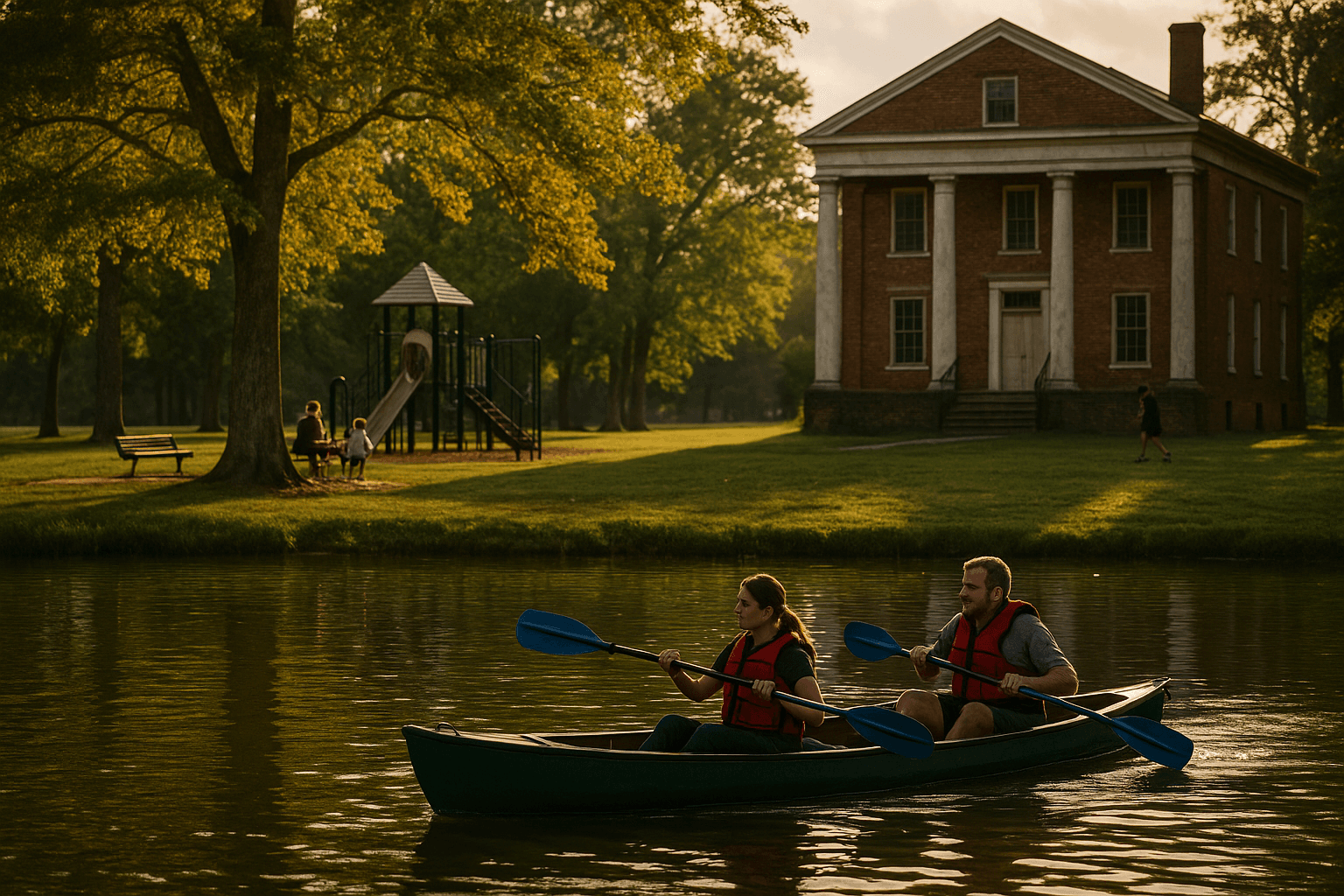
At the same time practical barriers could limit equitable use. Reservation systems and online contact methods can be difficult to navigate for residents without reliable internet access or for non English speakers. Transportation gaps can put riverfront and rural natural areas out of reach for people who lack a car. Ensuring ADA accessibility, clear safety notices for water recreation, and outreach to underserved neighborhoods would help turn information into real access.
County managers and community health partners can use this consolidated information to coordinate programming, low cost public health interventions, and targeted outreach that expands equitable access. As local leaders plan budgets and services for the coming year, preserving and promoting these outdoor and heritage sites can advance public health, economic resilience, and community cohesion across Decatur County.
Sources:
Know something we missed? Have a correction or additional information?
Submit a Tip