Coupeville Council Delays Decision on 33 Acre Development Agreement
The Coupeville Town Council opted to slow consideration of changes to a decades old memorandum of agreement with the Stuurmans family, saying modifications may not be finalized until late 2026. The delay gives staff time to analyze middle ground alternatives and expands the window for public input, a decision that will shape future housing density and local planning on the parcel between Main Street and Broadway.
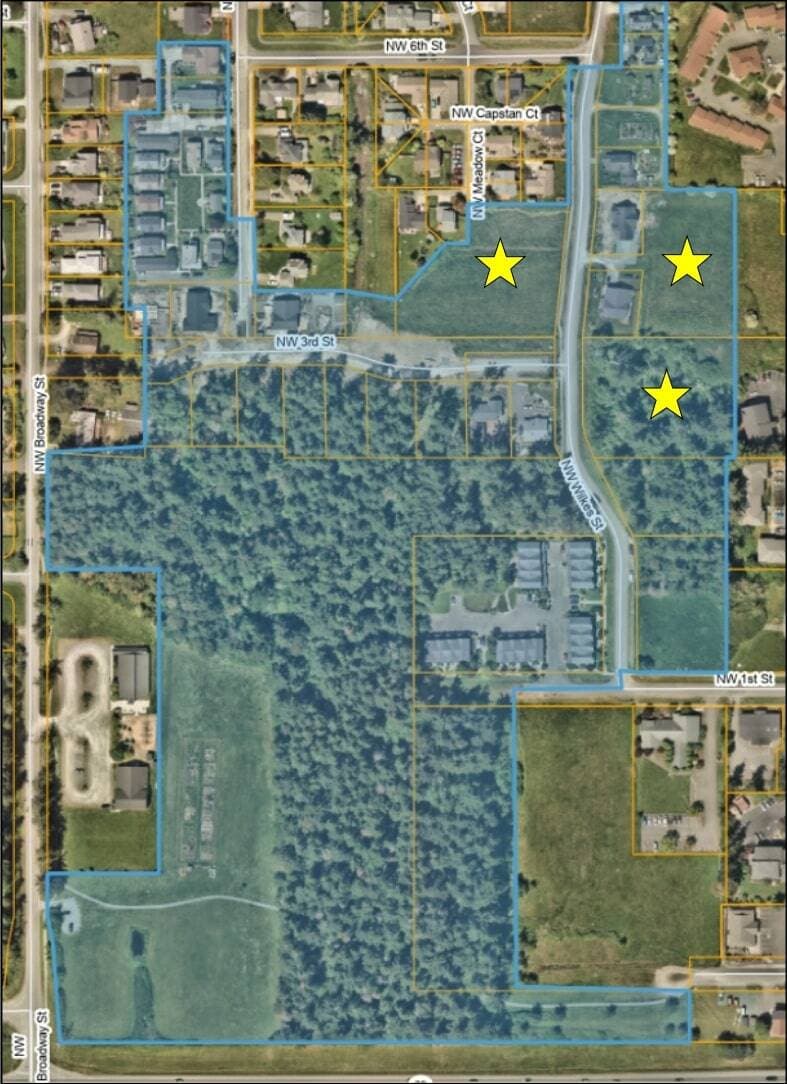
The Town of Coupeville moved to slow its review of a 2004 memorandum of agreement that governs clustered development and dwelling credits on a 33 acre property owned by the Stuurmans family. Council members discussed options at their November 25 meeting and determined on balance to delay formal modifications, a course that could push final action into late 2026. The decision reflects an effort to allow more staff analysis and broader public engagement before choosing a path forward.
The 2004 agreement established how dwelling credits could be used on the parcel in place of traditional lot by lot development. Town officials continue to sort through how many dwelling credits remain and what regulatory framework should apply to future build out on the site. The property is bounded by Main Street and Broadway, placing any change at the center of Coupeville’s core planning area and implicating downtown character, traffic, and municipal services.
Council members identified three possible outcomes. The town could leave the agreement in its current form, preserving the original clustered development terms. The council could amend the agreement to allow maximum density permitted under state law, a move that would likely increase the number of potential dwellings. Or the town could pursue a middle ground, for example by adjusting minimum lot size requirements or amending comprehensive plan language to tailor density while addressing local impacts. Staff were directed to explore those middle ground options and return with analysis.

The council framed the delay as a procedural choice to ensure thorough review and public participation. The extended timeline gives planning staff time to model outcomes, assess infrastructure capacity and zoning implications, and present clear alternatives to the public and the council. For residents, the decision means more opportunity to weigh trade offs between housing capacity, community character and service needs before the town commits to a new path.
Institutionally, the council’s approach underscores the tension smaller jurisdictions face between complying with state law on housing density and maintaining local planning objectives. How Coupeville resolves the future of the Stuurmans property will offer a concrete example of that balance and set precedent for how the town handles clustered development and dwelling credits in coming years.
Sources:
Know something we missed? Have a correction or additional information?
Submit a Tip