Langley Council Directs Probe into Possible Sundown Town History
Langley city council voted on December 9 to authorize a citizen led investigation into whether the town functioned as a sundown town, by directing the Dismantling Systemic Racism Commission to research the issue. The decision responds to university mapping that flagged Langley and nearby Coupeville as having zero Black households in 1970, and the findings could shape local planning and equity work for years to come.
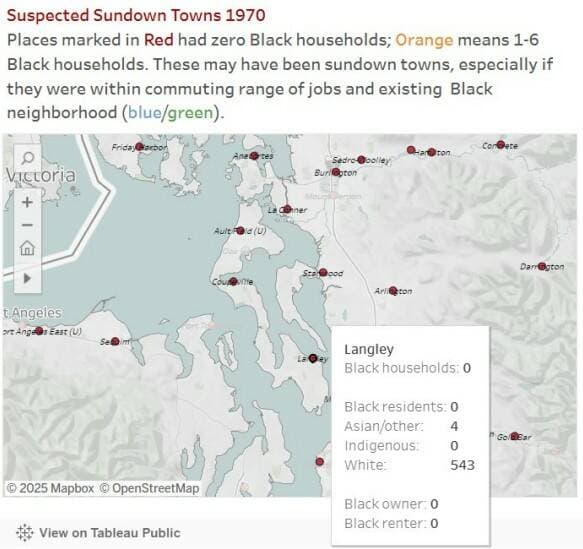
On December 9 the Langley city council moved to authorize a formal, citizen led inquiry into the town's racial history, instructing the Dismantling Systemic Racism Commission to gather oral histories and examine municipal and private records. The step follows research and mapping by university teams under the Racial Restrictive Covenants Project, which identified Langley and Coupeville as places with zero Black households recorded in 1970, a pattern that can indicate historical exclusion.
Council and planning staff said early reviews have not turned up explicit exclusionary plats or ordinances that would legally bar Black residents. Instead staff noted that long standing informal practices, including realtors behavior and broader social practice, may help explain the demographic patterns flagged by the mapping project. The council asked the DSR Commission to document those practices alongside any archival records and personal testimony, with an expectation that the work could take a year or two to complete.
For Island County residents the inquiry carries practical implications. Historical exclusion can influence present day land use, housing affordability, and community relations, and a clearer record may inform zoning, preservation and outreach practices. The investigation offers a path for municipal planners to align future policies with equity goals, and for residents to understand how past practices shaped current demographics and economic development.
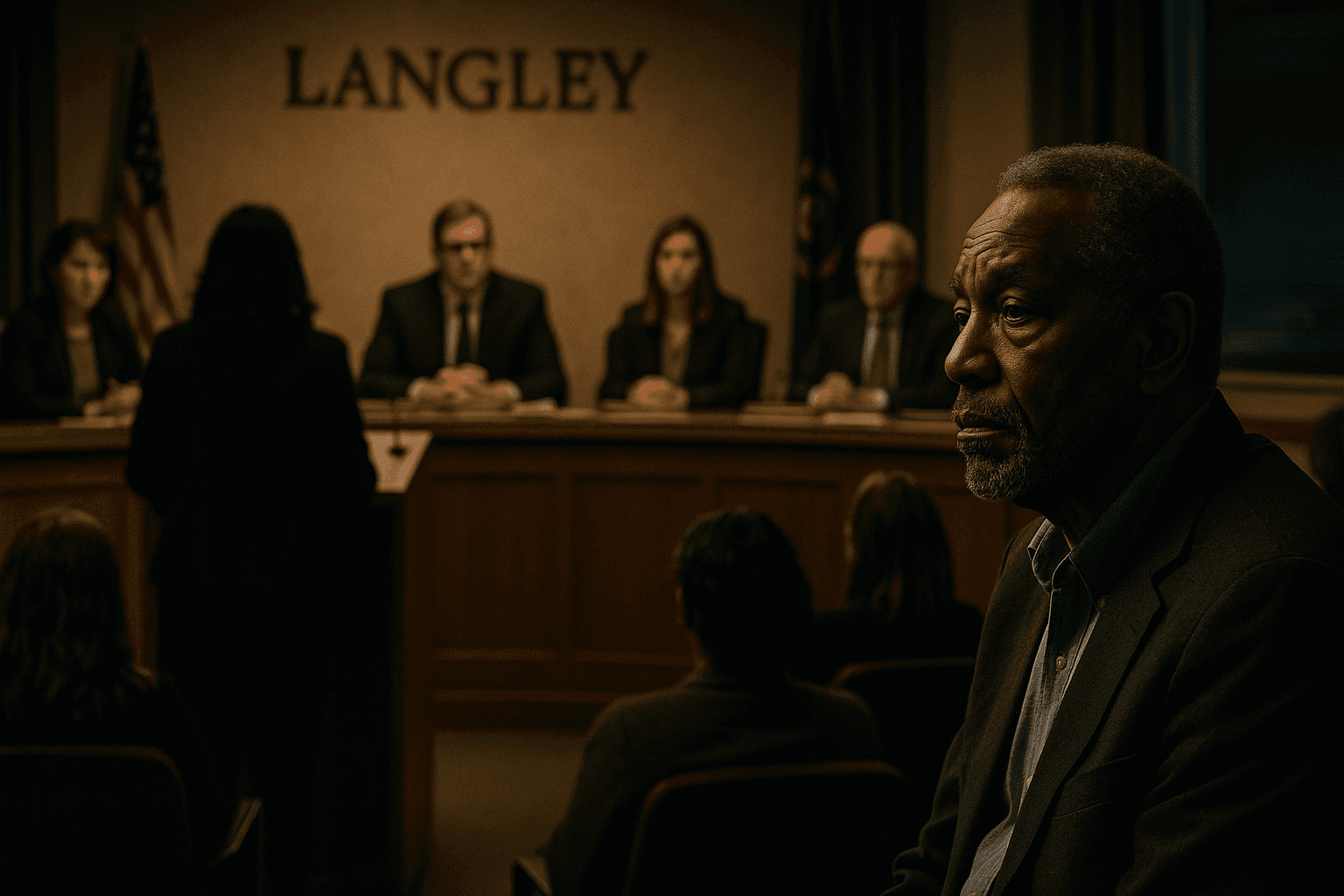
The commission will need to balance archival research, legal records review, and community interviews, a process that can surface sensitive memories and contested interpretations. Across the country communities have undertaken similar reviews as part of broader efforts to reckon with exclusion and to guide reparative or preventive measures. Local leaders said they intend to use the results to inform public engagement and planning, and to provide context for Island County dialogue on race and inclusion.
As the DSR Commission begins its work, residents can expect periodic updates from the council and opportunities to contribute oral histories and documentation. The investigation aims not only to establish facts about the past but to provide a foundation for more inclusive planning and stronger community relationships going forward.
Sources:
Know something we missed? Have a correction or additional information?
Submit a Tip