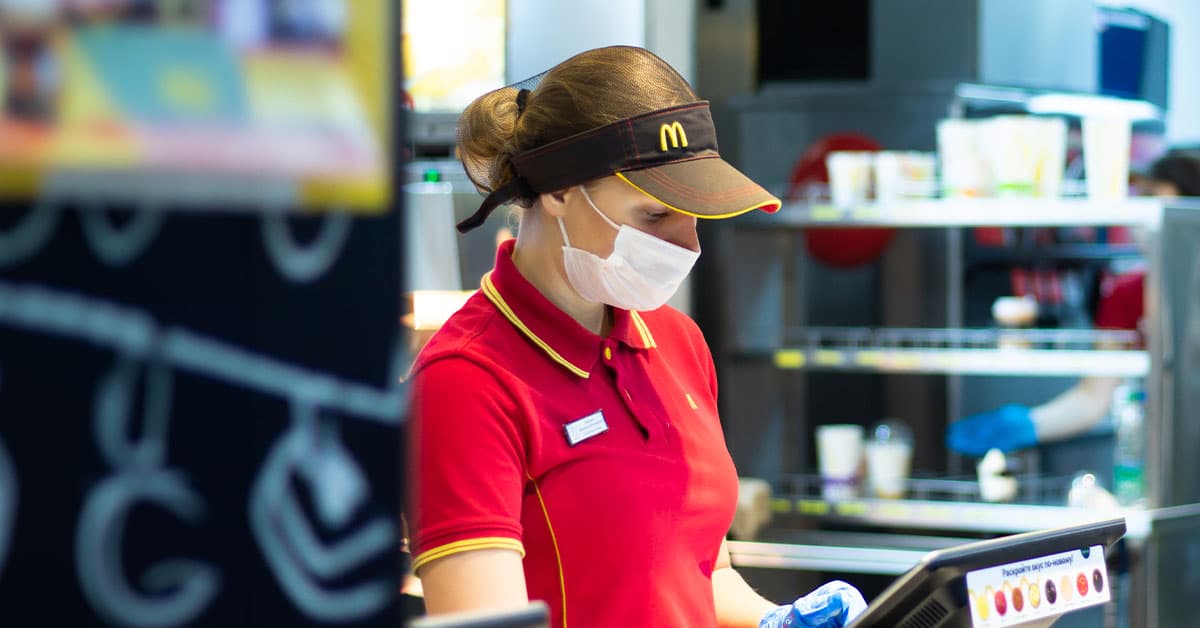
Court Rulings Raise Multi Employer Bargaining Risk for McDonald's
An employment law analysis published December 8, 2025 warned that recent Fair Work Commission decisions have increased the chance that franchise networks will be pulled into supported multi employer bargaining, citing an earlier authorisation that covered 18 McDonald’s franchise employers in South Australia. The development matters to workers and franchise operators because it could standardise pay and conditions across networks, impose costs on smaller franchisees, and reshape industrial relations in fast food and retail.
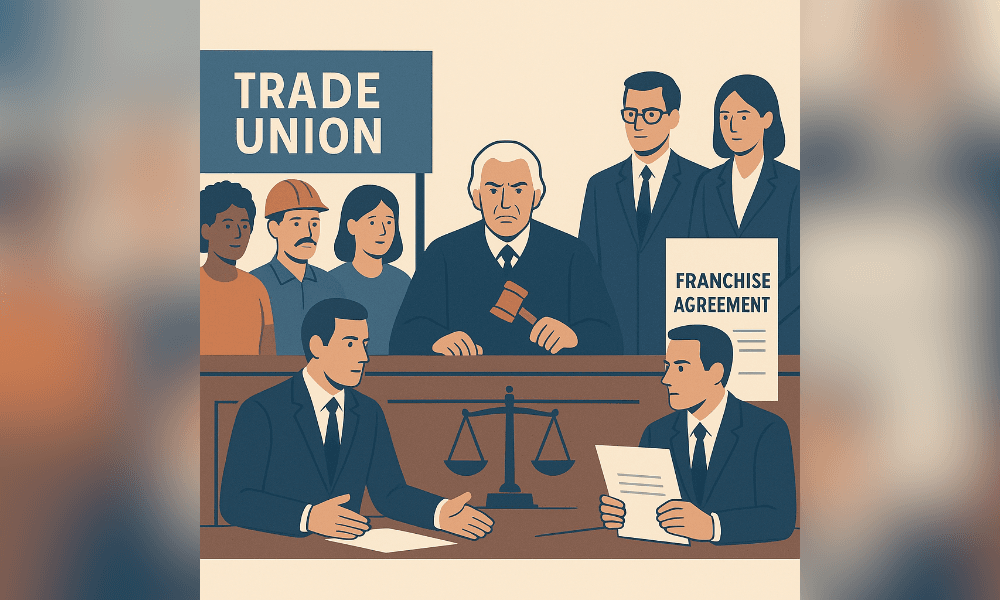
An employment law analysis released on December 8, 2025 concluded that recent Fair Work Commission decisions have amplified the risk that franchised networks will be drawn into multi employer supported bargaining. The paper highlighted an earlier FWC authorisation that compelled coordinated bargaining across 18 McDonald’s franchise employers in South Australia as a key example of how the supported bargaining stream is being applied beyond its original scope.
Multi employer bargaining was originally targeted at sectors where workers had very low bargaining power, such as disability care. In recent years however unions and the commission have used the supported bargaining mechanism in fast food and retail settings, citing structural bargaining disadvantages among individual employers and employees. The Chemist Warehouse matter and the McDonald’s related cases now provide precedents that legal experts say unions are likely to test more broadly across franchised sectors.
The analysis warned that franchisees without their own enterprise agreements are particularly exposed, because they face a higher chance of being brought into an agreement negotiated at network level. Smaller operators may be less able to absorb agreement wide terms, leaving them vulnerable to increased labour costs, compliance complexity and reduced flexibility in rostering and operations. For employees the prospect could mean faster gains in standardized pay and conditions, while for some franchise owners it could mean tightened margins and tougher choices about pricing, staffing and investment.

Advisers and industry representatives recommended that employers prepare by seeking single employer bargaining where possible, benchmarking pay and conditions to defend competitive positioning, and strengthening communication channels with franchisors so network strategies are aligned. The analysis also noted the broader context of regulatory and political developments, including a government review of the reforms that enabled supported bargaining.
Observers expect more union applications under the supported bargaining stream as legal tests continue and unions look to replicate recent authorisations. That trajectory suggests intensifying industrial relations activity in franchised retail and fast food, and a period in which both employers and employees will need to plan strategically for collective bargaining that may cross individual franchise boundaries.
Sources:
Know something we missed? Have a correction or additional information?
Submit a Tip