McDonald's Netherlands Pulls AI Christmas Ad Amid Backlash
McDonald’s Netherlands posted a 45 second AI assisted Christmas commercial in early December that reframed the holidays as "the most terrible time of the year," prompting swift social media outrage and concerns about the use of generative AI in advertising. The company disabled comments on the video and removed the spot by December 10, a reversal that matters to workers because it highlights tensions over AI replacing creative and production roles and the reputational risks frontline staff face during peak holiday shifts.

McDonald’s Netherlands ran a 45 second Christmas commercial that leaned on generative AI to depict chaotic, stressful holiday scenes and recast the season in bleak terms. The spot, created with AI tools by production company The Sweetshop together with agency TBWA Neboko, was posted on December 6 and drew immediate negative reaction online for its tone and for the heavy visible use of AI in production. The brand disabled comments on the YouTube posting and ultimately removed the ad by December 10 after the backlash intensified.
Company messaging after the removal said the spot was intended to reflect stressful holiday moments, but that the brand recognized many guests view the season as the most wonderful time of the year. The Sweetshop defended the work as a high effort AI assisted creative process. Critics seized on the ad as an example of the broader debate over authenticity in advertising and the growing use of artificial intelligence in place of live production methods. Concerns voiced online and in industry conversations included potential erosion of creative jobs for writers, directors, camera crews, and post production teams, and the risk that AI driven content can undermine trust in a brand.
The episode carries concrete workplace implications. Agencies and production houses face pressure from clients to adopt AI tools to cut costs or shorten timelines, while freelancers and unionized crew members worry about fewer live shoots and shrinking opportunities. For restaurant employees and franchise operators, a controversial campaign during the busiest season can complicate customer interactions and affect morale as staff manage higher volumes and sensitive conversations about brand values.
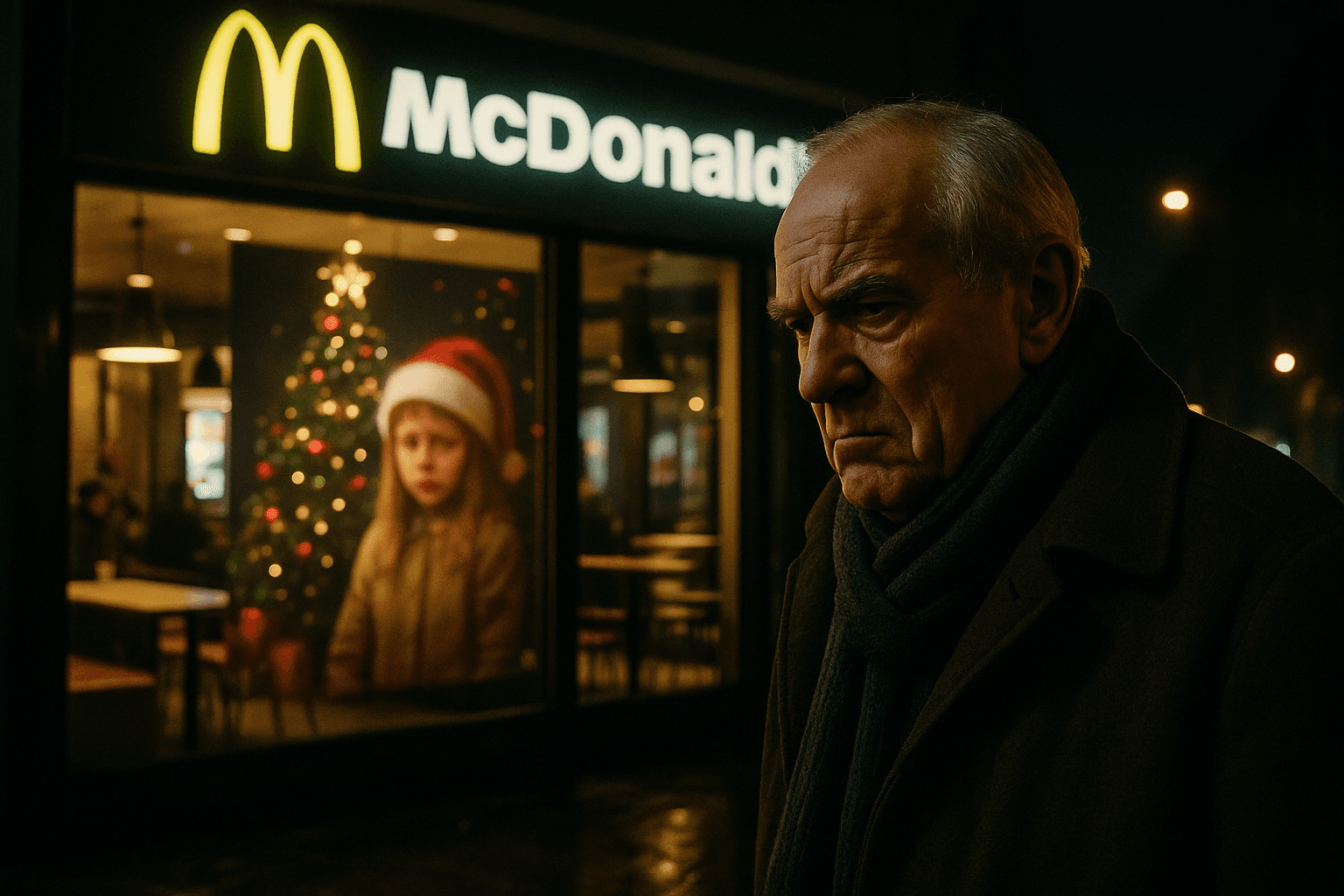
The McDonald’s Netherlands case adds to an ongoing industry reckoning about transparency and limits around generative AI in creative work. Employers, agencies, and production partners will likely confront tougher questions about disclosure, job impacts, and how to balance innovation with the practical and reputational needs of employees who represent the brand on the ground.
Sources:
Know something we missed? Have a correction or additional information?
Submit a Tip