Court Upholds Home Depot Right to Enforce Apron Policy, Limits NLRB Reach
The Eighth Circuit ruled on December 8, 2025 in Home Depot U.S.A. v. NLRB that Home Depot may enforce a neutral apron policy that bars politically charged messages on customer facing uniforms. The decision narrows the circumstances in which the NLRB will find employee political expression protected when an employer advances business reasons such as public image and employee safety.
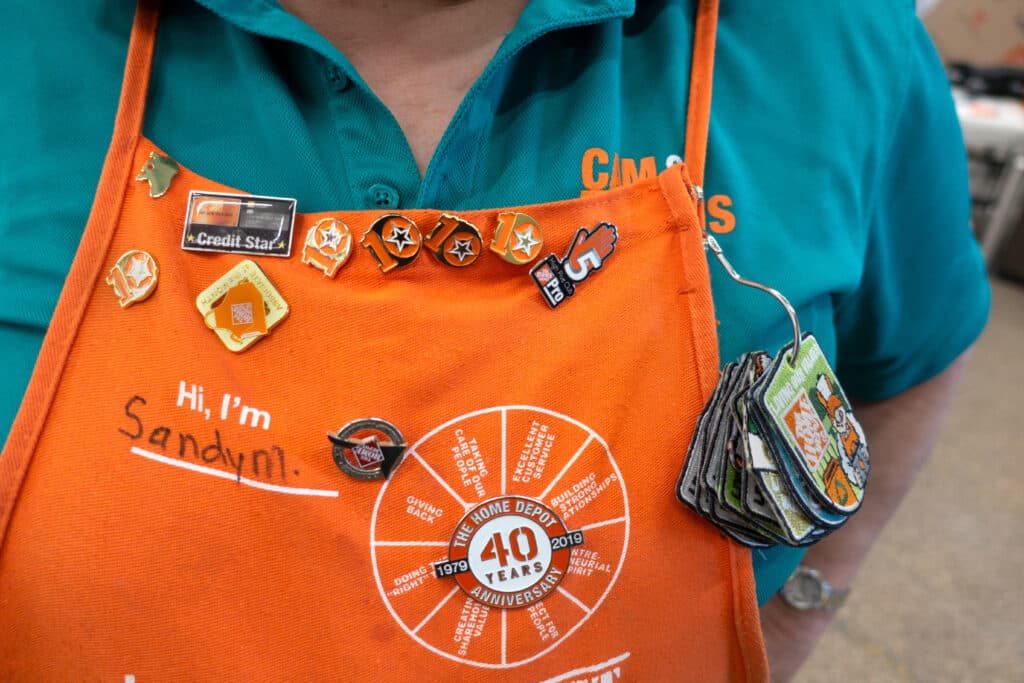
The Eighth Circuit issued a ruling on December 8 that resolved a contentious labor dispute over whether Home Depot could enforce a rule prohibiting politically charged messages on its orange apron. The case arose after a store employee placed the letters BLM on a Home Depot apron and later filed an unfair labor practice charge. The National Labor Relations Board originally found the conduct protected, but the appellate court vacated that ruling, accepting the companys stated business reasons for a neutral prohibition, including concerns about public image and employee safety for customer facing employees.
The appeal was argued earlier in 2025 and the court's opinion broke with the NLRB's prior approach by giving weight to employer evidence about customer reactions and safety risks in retail settings. The ruling is narrow in scope. It focuses on whether the employer's prohibition was neutral and supported by legitimate business justifications, rather than creating a broad exemption to protections for concerted activity. Legal analysts expect the opinion to be cited in forthcoming disputes about where to draw the line between protected employee expression and enforceable uniform or safety based policies.
For workers and workplace dynamics the decision has immediate consequences. Customer facing employees who wear store issued uniforms may face clearer limits on visible political messages while working, and unions and employee advocates may find it harder to prevail in cases where employers can document neutral, narrowly tailored policies tied to customer relations or safety. The decision may also produce greater scrutiny of employer rules, as companies that enforce similar policies will need to show that the restrictions are applied evenly and linked to concrete business interests.

The ruling is likely to shape how retailers and other customer facing employers draft and defend dress and uniform rules, and it sets up a new reference point for future litigation over the balance between employee expressive rights and employer operational concerns.
Sources:
Know something we missed? Have a correction or additional information?
Submit a Tip