Decatur County Highlights Riverfront Recreation and Health Benefits
Decatur County’s Tennessee River Golf Club and Beech Bend Park offer residents and visitors significant opportunities for outdoor recreation that support physical activity, mental health, and community connection. The amenities also raise questions about accessibility, maintenance funding, and equitable access to riverfront resources for lower-income and mobility-limited residents.
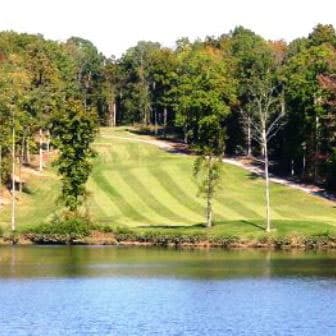
Tennessee River Golf Club, an 18-hole course set on rolling hills along the Tennessee River, and Beech Bend Park, five miles east of Parsons on the riverfront, are presented by county officials as core local recreation assets. The golf club features bermuda fairways, bent-grass greens, tree-lined fairways, elevation changes and water hazards on multiple holes, plus a stocked pro shop, snack bar, driving range and four sets of tees designed to accommodate a range of skill levels. Beech Bend Park offers tent and RV camping, picnic facilities, two boat ramps for river access, playgrounds and quiet riverfront areas for fishing and relaxation. Tee-time, reservation and seasonal-rate information is listed on the county attractions page.
These amenities deliver tangible public-health benefits. Regular access to green space, waterfront activities and structured physical activity such as walking the course or launching a boat supports cardiovascular health, reduces stress and can improve social cohesion. For rural counties such as Decatur, locally available outdoor options reduce travel barriers and give residents more opportunity for active recreation close to home.
At the same time, community impact depends on how accessible those services are in practice. Golf facilities that offer multiple tee boxes can accommodate varied ability levels, but cost of play and associated equipment can remain a barrier for lower-income residents. Camping at Beech Bend includes seasonal rates that affect affordability. Boat ramps provide low-cost river access for anglers and small-boat users, but safety, upkeep and parking demand require ongoing investment. For elderly, disabled and transportation-limited residents, the presence of amenities does not guarantee equitable access without deliberate accommodations such as ADA-compliant paths, affordable pricing structures and transit or shuttle options.
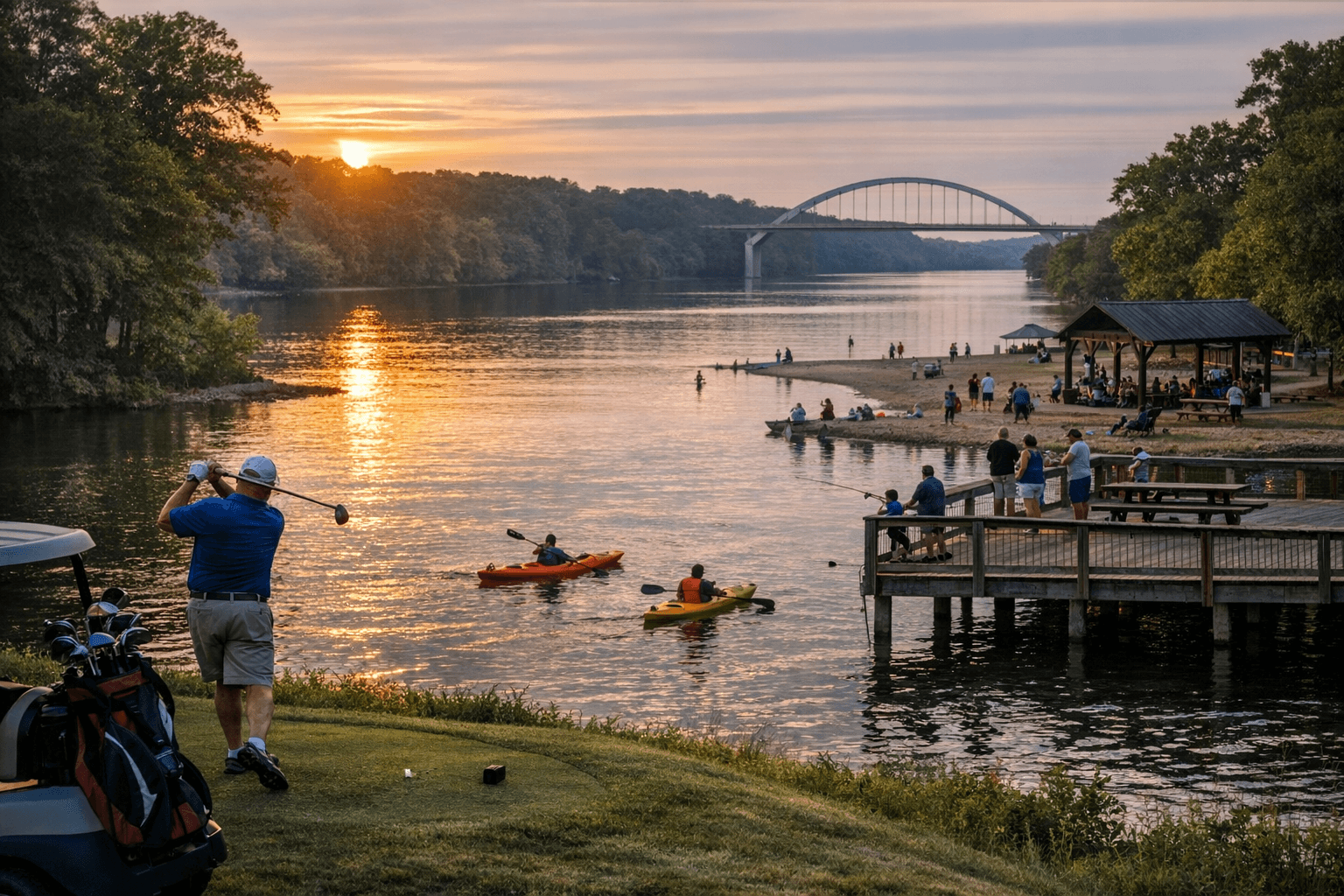
Local policy choices will determine how these sites serve public health goals. Prioritizing maintenance of river access, funding routine safety inspections of ramps and playgrounds, and exploring sliding-scale fees or community programs could expand benefits across income and ability lines. Partnerships between public health departments, parks and recreation authorities and local nonprofits can translate recreation sites into sites of preventive health outreach, outdoor programming for youth and older adults, and nature-based mental health supports.
For residents looking to use these sites, the county attractions page lists current contact, tee-time and reservation information along with seasonal rate details. Ensuring those links remain up-to-date and easy to navigate will help translate Decatur County’s natural assets into broad, equitable health gains for the community.
Sources:
Know something we missed? Have a correction or additional information?
Submit a Tip